


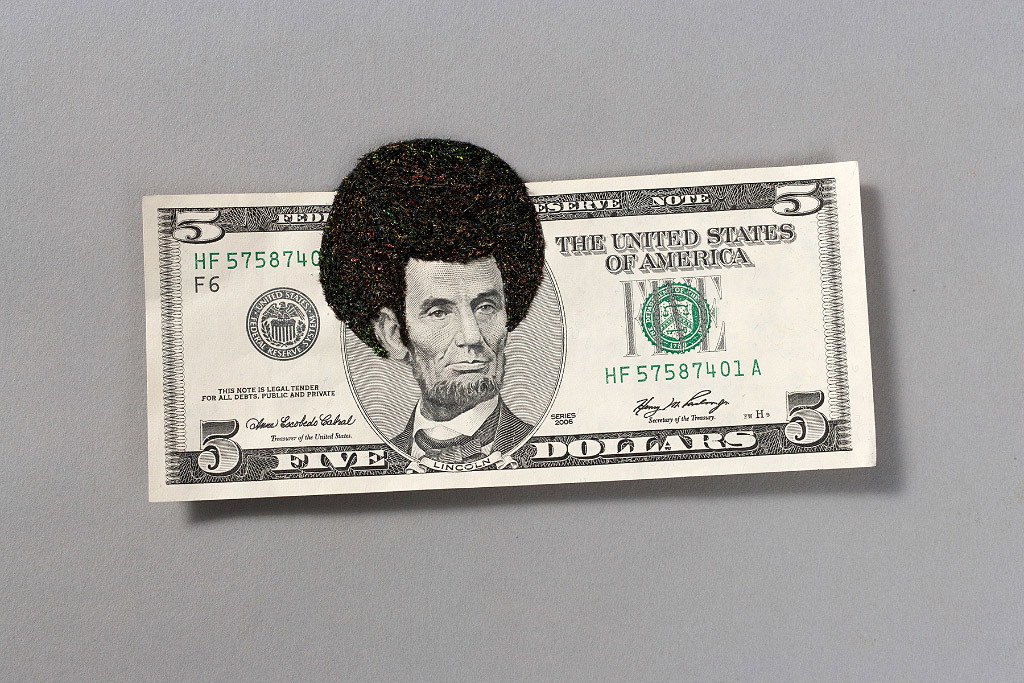


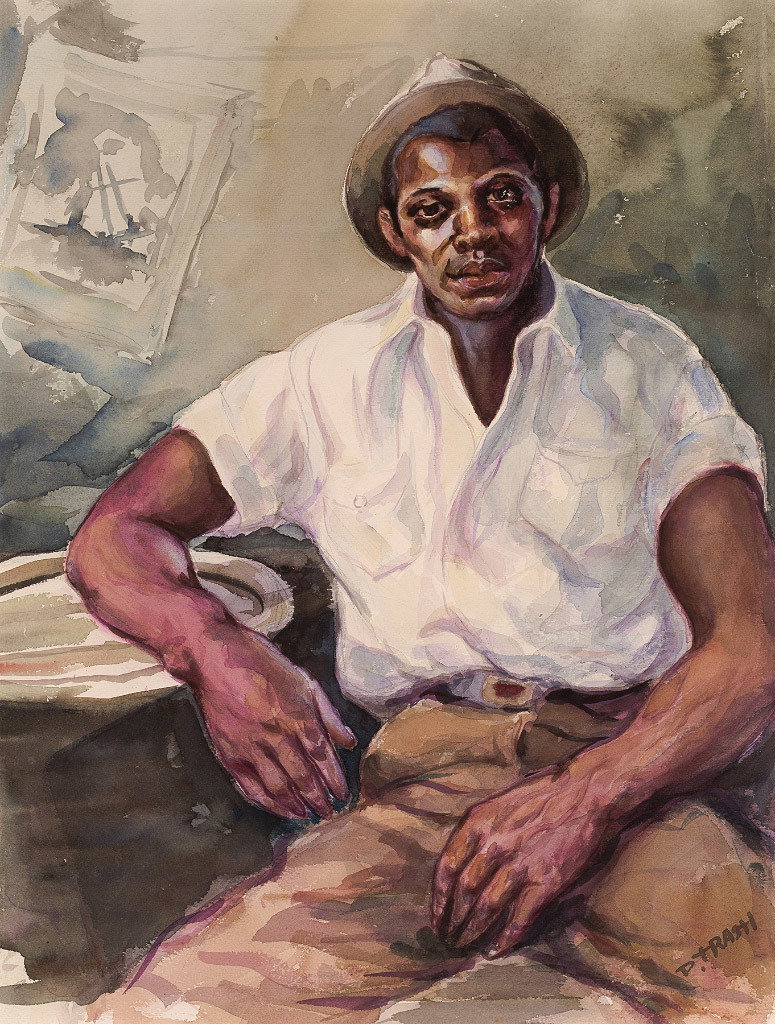
A new exhibition at Portland Art Museum brings together paintings, sculpture, prints, and drawings by African American artists, exploring questions of race, identity, and community through pieces from contemporary artists and historical work from the 20th century.
Constructing Identity features work from more than 80 artists, among them early 20th-century painter Henry Ossawa Tanner, graphic artist and sculptor Elizabeth Catlett, contemporary painter Mickalene Thomas, and Portlander Arvie Smith.
“If we are to begin anywhere, we must begin with the truth,” says the exhibition’s curator Berrisford Boothe, who also curates the Petrucci Family Foundation Collection of African American Art—the private collection of New Jersey property developer Jim Petrucci—from which these works are drawn. “And, the truth for African-American artists has too often involved exclusion, marginalization or the kind of comparative analysis that relegates the genius of African American art, history, and culture to being well-meaning, but not historically significant; appendage history.”
Jamaican-born Berrisford points out that African American artists have long been marginalized in the art world, even by institutions of learning. “Remarkably, significant learning about African American art and pre-colonial culture is not required as part of the foundation knowledge of American art history,” he says. “How can you come to any conclusion of who we are if it’s simply not necessary to know who we were? How can anyone truly appreciate, express or celebrate American visual art history and culture without the African-American? How can that still be a thing?”
Boothe, an Associate Professor of Art at Pennsylvania’s Lehigh University, says historically African American art has not been viewed on its own value, but “contrasted against aesthetic ‘standards’ and prerogatives that bypass how we define ourselves and the very nature of our own constructed identities.”
With Constructing Identity, he hopes to redress some of these cultural and historical failures for a Portland audience.
“The Petrucci Family Foundation exhibition will not raise everyone to the highest level of understanding,” he says, “but it will present visitors to Portland Art Museum with exceptional examples of American human expression through African American lives lived.”
Constructing Identity is at the Portland Art Museum through June 28.
|
|
|


