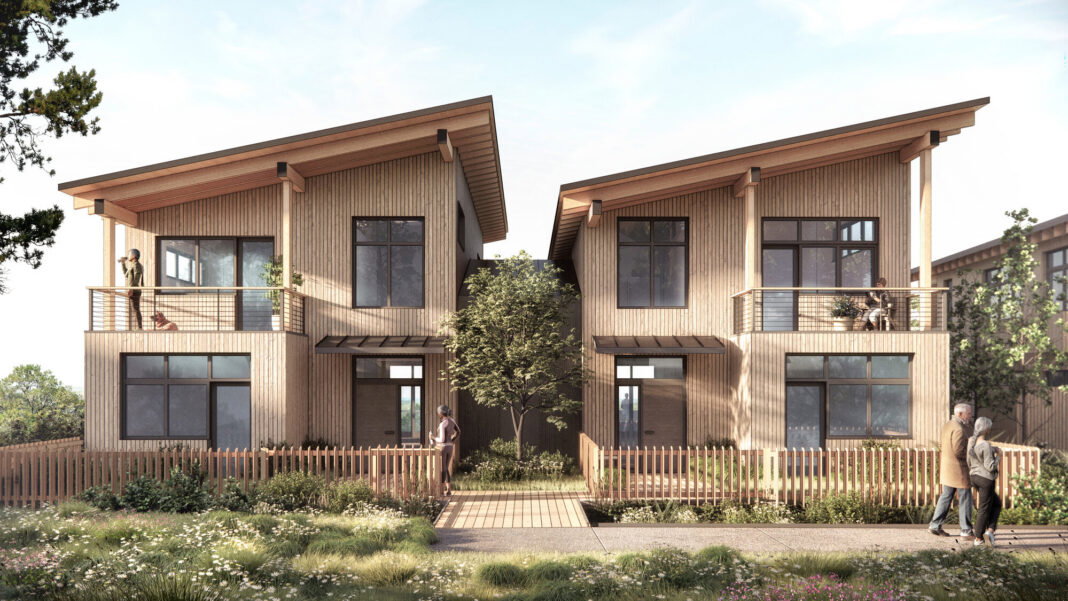
Along the Willamette River in Portland, a new residential neighborhood is taking shape around an idea that goes beyond energy efficiency. Mahonia EcoHomes, planned at RoseVilla, a Portland-based nonprofit Life Plan Community, is designed to pursue the International Living Future Institute’s (ILFI) full Living Building Challenge (LBC), one of the world’s most rigorous green building standards. Fewer than 40 projects have achieved full certification worldwide, according to ILFI.
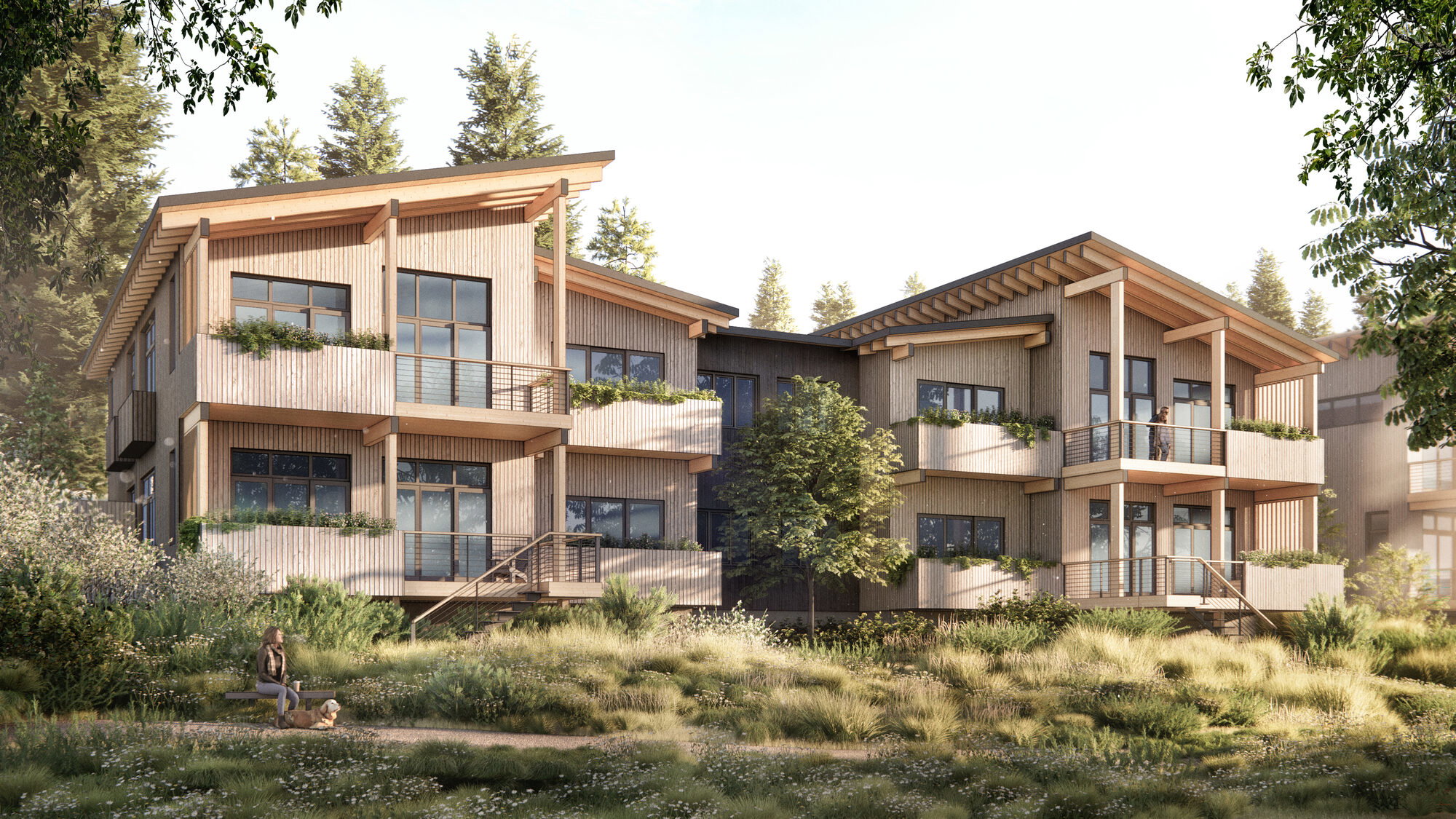
Mahonia will feature 12 independent living homes that combine contemporary design, restored native habitat, and dedicated wellness spaces.
For Glen Lewis, RoseVilla’s CEO, Mahonia began as a simple question: “What if we could build homes that give back more than they take, and are healthier and safer for the people who live in them?”
To earn full LBC certification, Mahonia must meet 20 requirements across seven performance areas — Place, Water, Energy, Health + Happiness, Materials, Equity and Beauty — then prove it with 12 months of verified performance after residents move in.
“Pursuing full LBC certification is one of the most ambitious things we’ve ever taken on, and one of the most meaningful,” Lewis said. “Mahonia is about beautiful, healthy homes where people can enjoy nature, connect with neighbors and live their values, all while caring for the environment.”
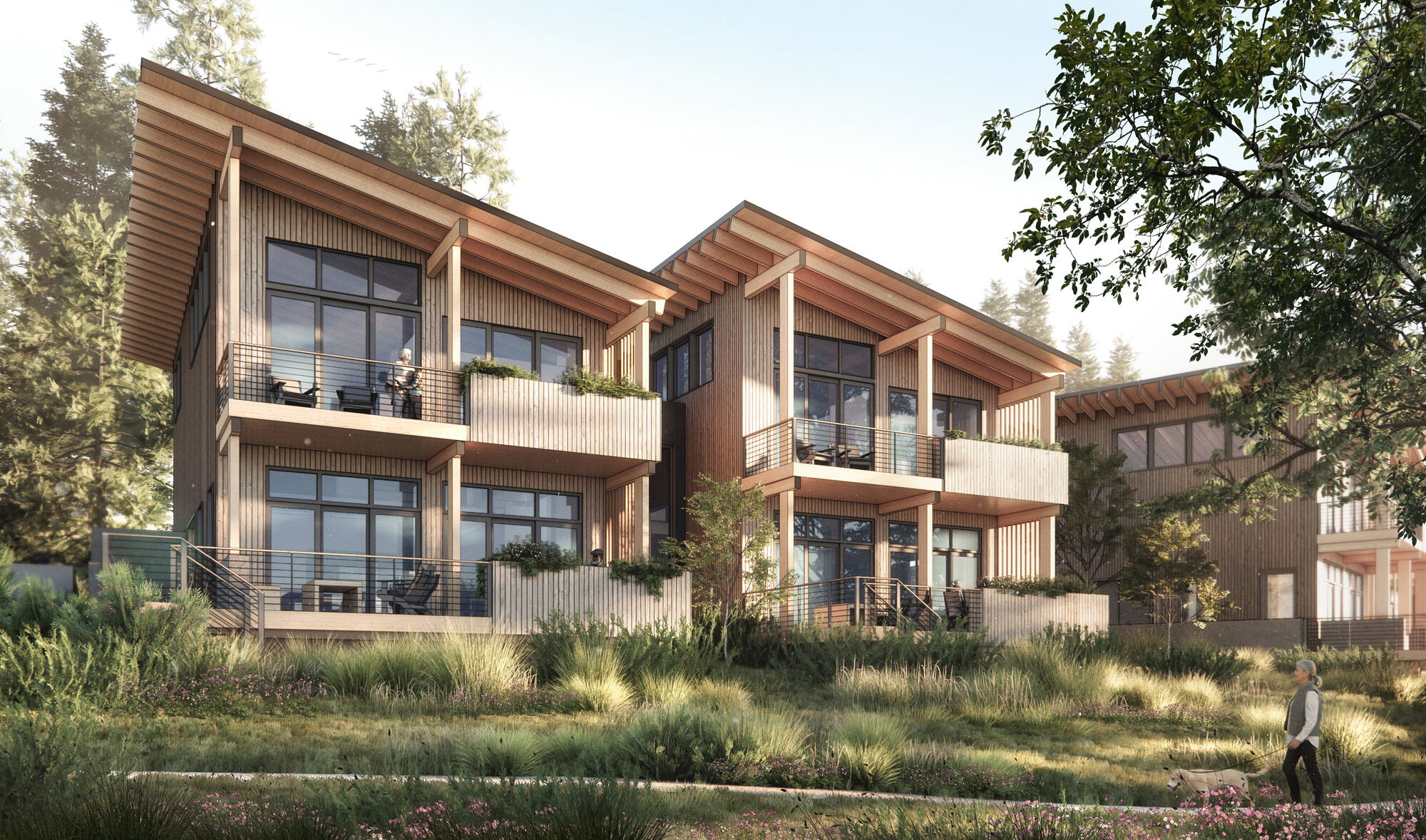
Mahonia is one of three expansion projects underway at RoseVilla that together will add 97 independent and assisted living homes and a new earthquake-resistent Resilient Operations and Sustainable Energy (ROSE) Hub, designed to strengthen campus infrastructure and energy resilience. The projects reflect RoseVilla’s vision for the future of senior living: regenerative homes, a close connection to nature, spaces to move and gather, and a campus built to keep running through an emergency.
Homes Designed Around Nature
Designed by Portland-based Green Hammer Design Build, Mahonia will sit among old-growth Douglas firs and land being restored to native oak savanna. Biophilic design brings natural light, views and the outdoors into everyday living, and native landscaping surrounds each home. Rooftop solar is designed to generate 105% of the neighborhood’s annual energy needs.
“This daily connection to nature supports our residents’ health and well-being,” Lewis said.
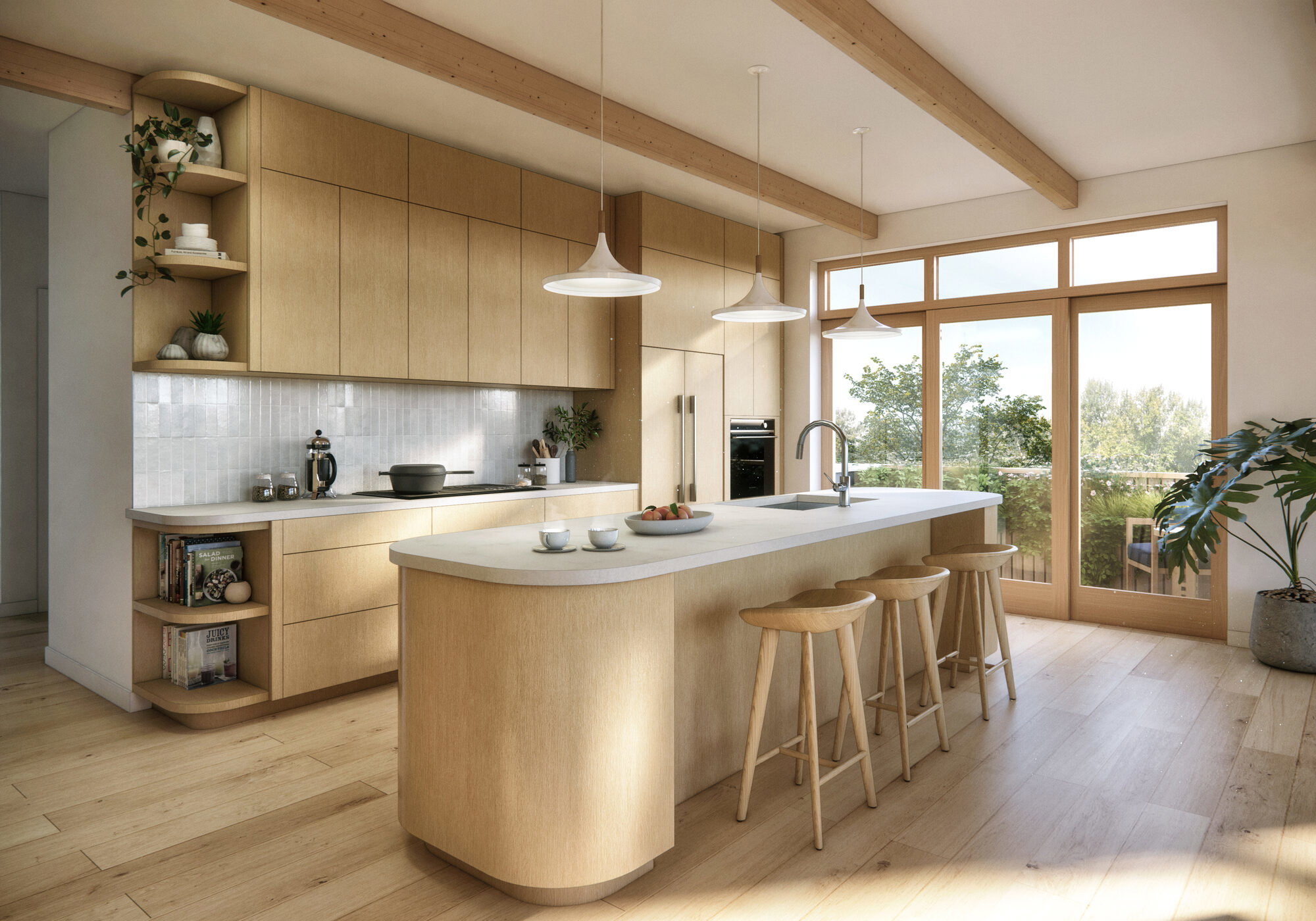
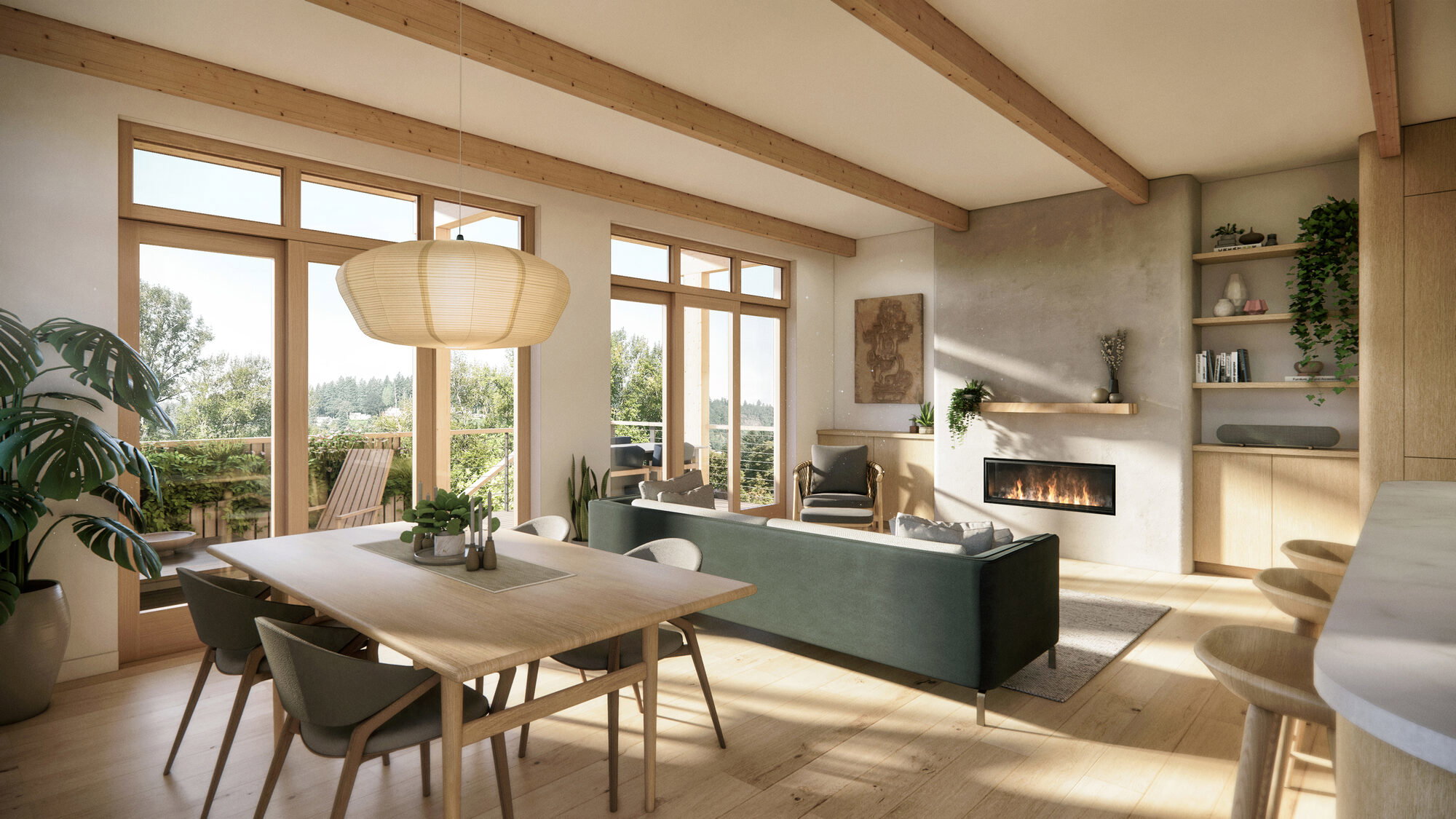
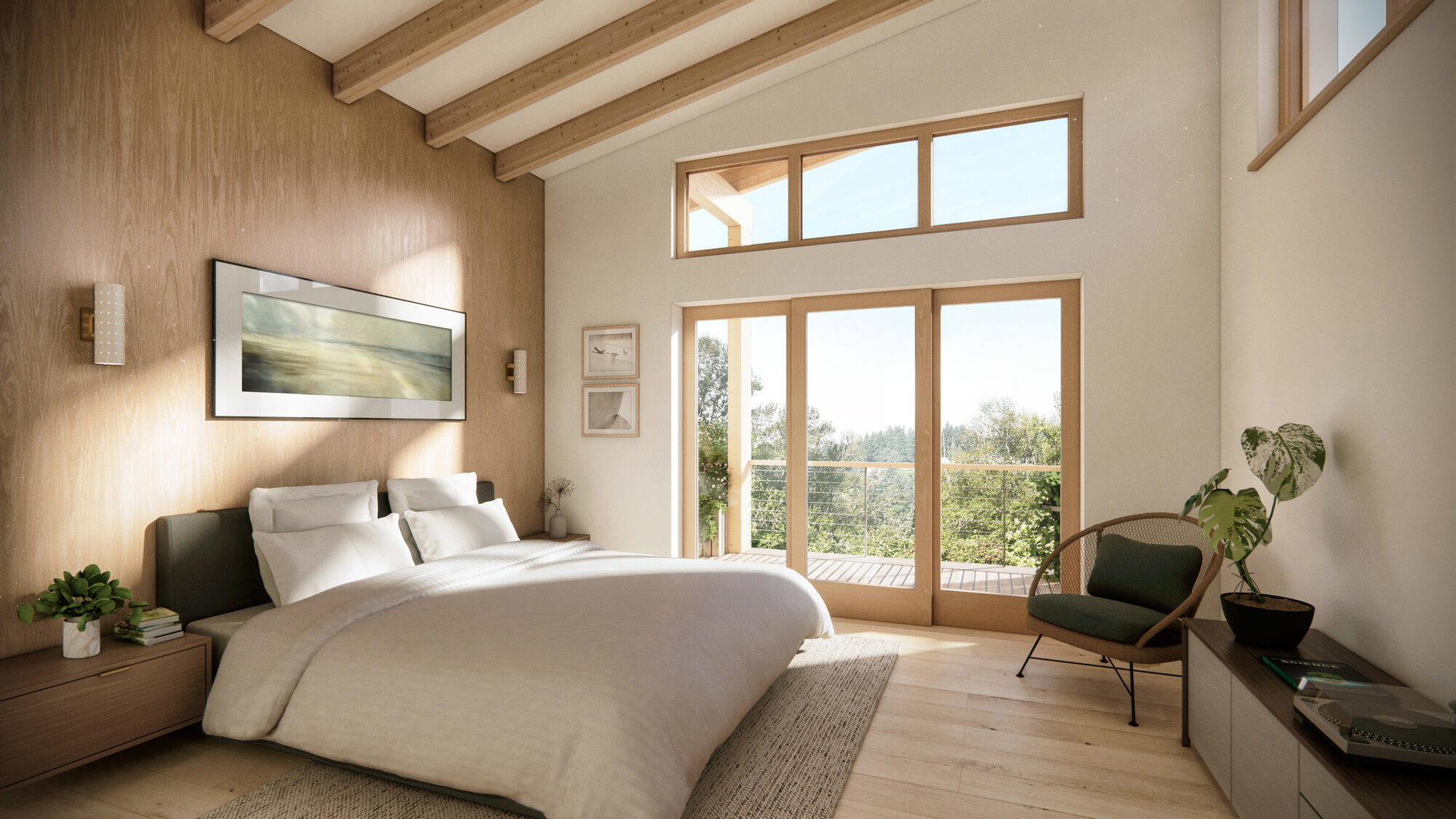
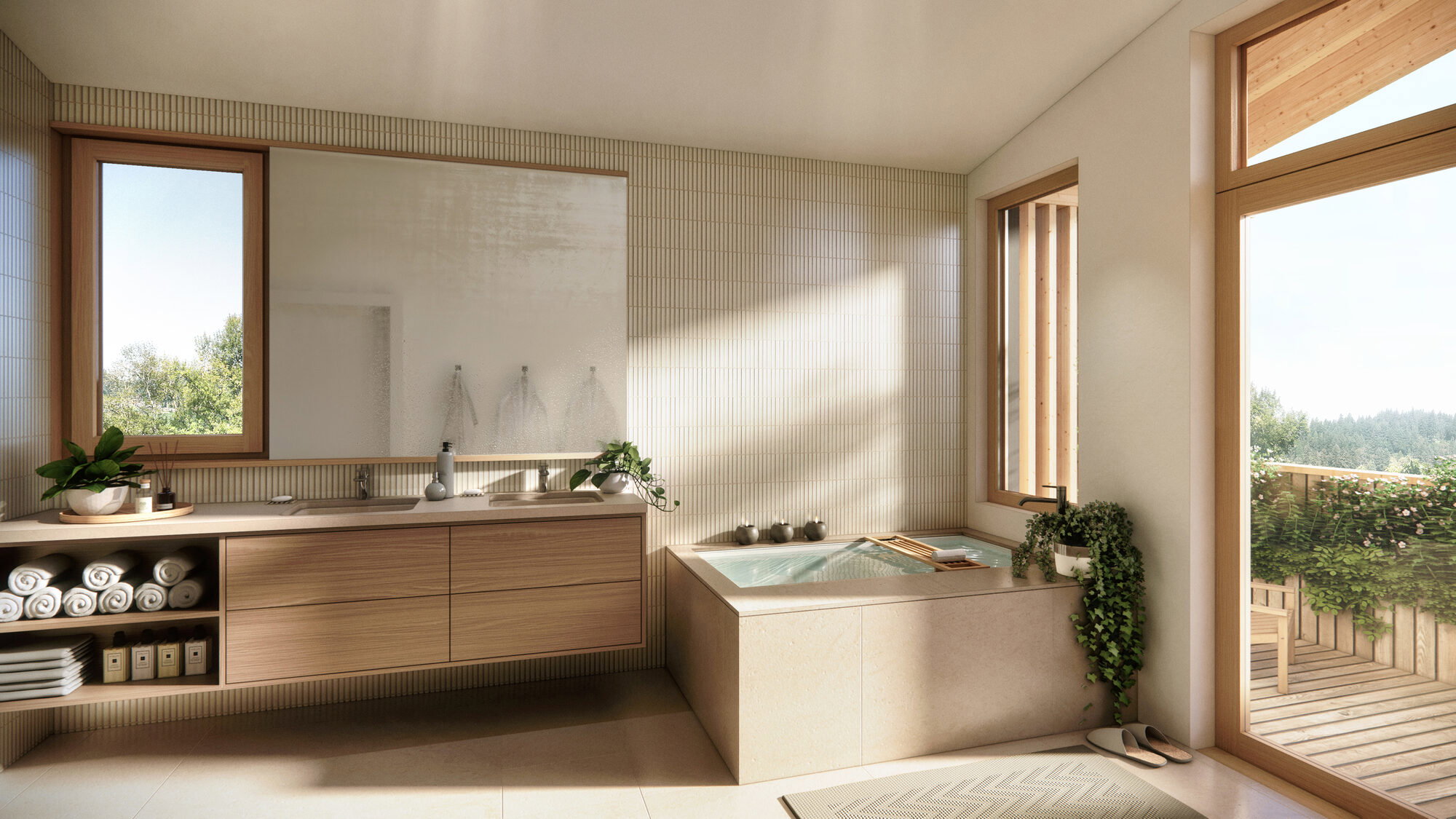
Mahonia EcoHomes will range from 1,437 to 1,878 square feet. Each will have an open floor plan, two bedrooms, one bathroom, a flexible-use space and a private garden. High ceilings, picture windows and private balconies will frame views of the surrounding landscape.
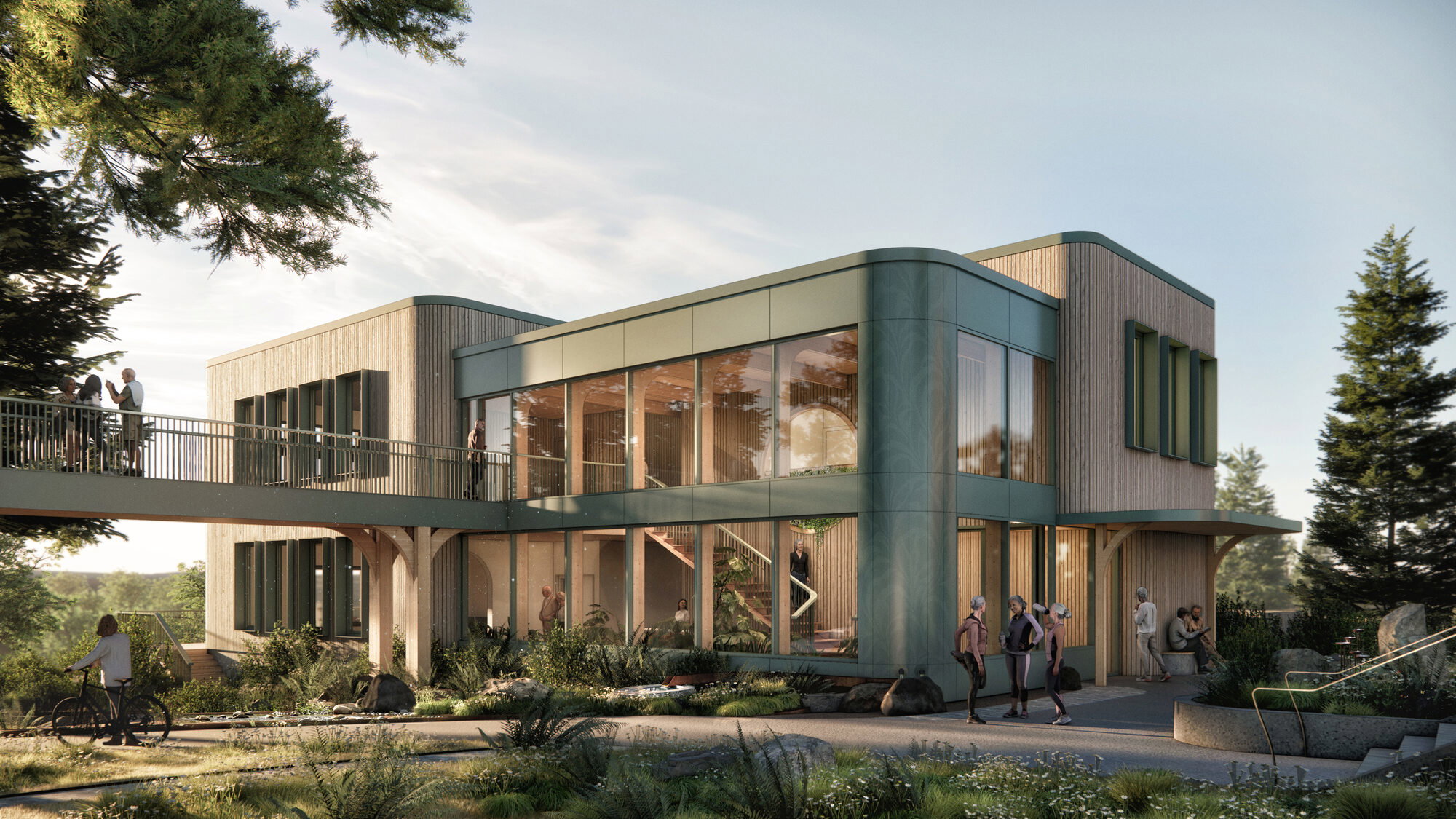
At the heart of the neighborhood is The Sanctuary, a planned 7,800-square-foot wellness center with floor-to-ceiling windows overlooking the fir grove and the Willamette River. It will include treatment and meeting rooms, a movement studio, a teahouse lounge and covered patios. The Sanctuary will be open to Mahonia residents and the wider RoseVilla community, as a place to gather, recharge and connect.
Pursuing Sustainability and Resilience
RoseVilla already has two zero-energy neighborhoods, The Oaks and Trillium Townhomes. It also runs Rosie, a graywater reclamation system that saves more than 300,000 gallons of freshwater a year. The ROSE Port is a solar-powered, earthquake-resistant neighborhood resiliency hub and carport that can supply power and drinking water if the power grid goes down.
A 97-Home Expansion for RoseVilla
Mahonia is one of three projects in a 97-home expansion. RainWood Lofts will add 54 independent living lofts and 31 assisted living apartments. A new ROSE Hub, also designed and built by Green Hammer, will help keep the campus running during an emergency.
Explore Sustainable Senior Living at RoseVilla
For those considering a move to a Portland Life Plan Community, Mahonia offers a chance to see how intentional design and environmentally focused innovation can come together in a place to call home.
Mahonia is expected to welcome residents in early 2029. Learn more about Mahonia EcoHomes.
|
|
|