How Bitter Radicchio Became Portland’s 21st-Century Sweetheart

Image: Courtesy Margarett Waterbury
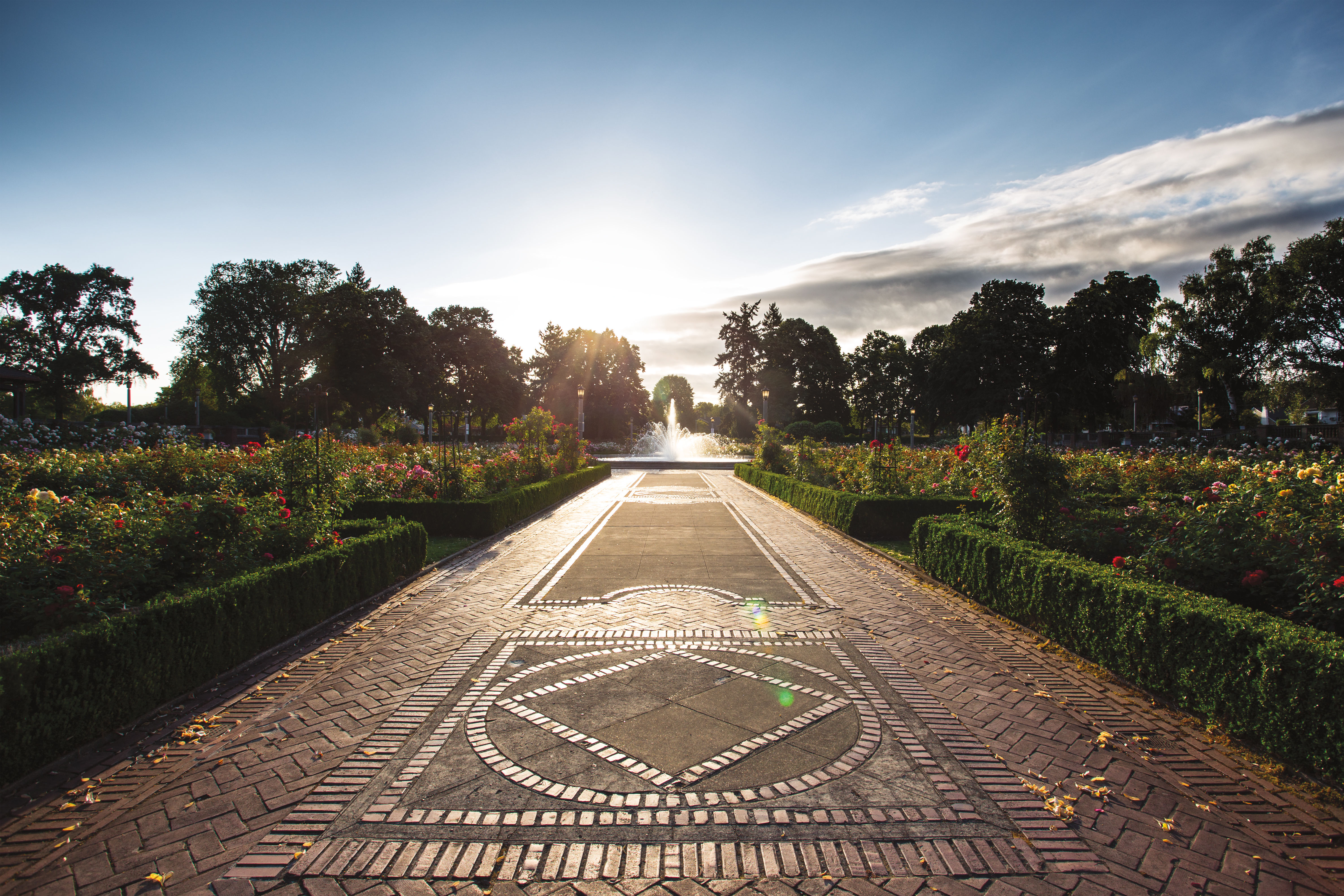
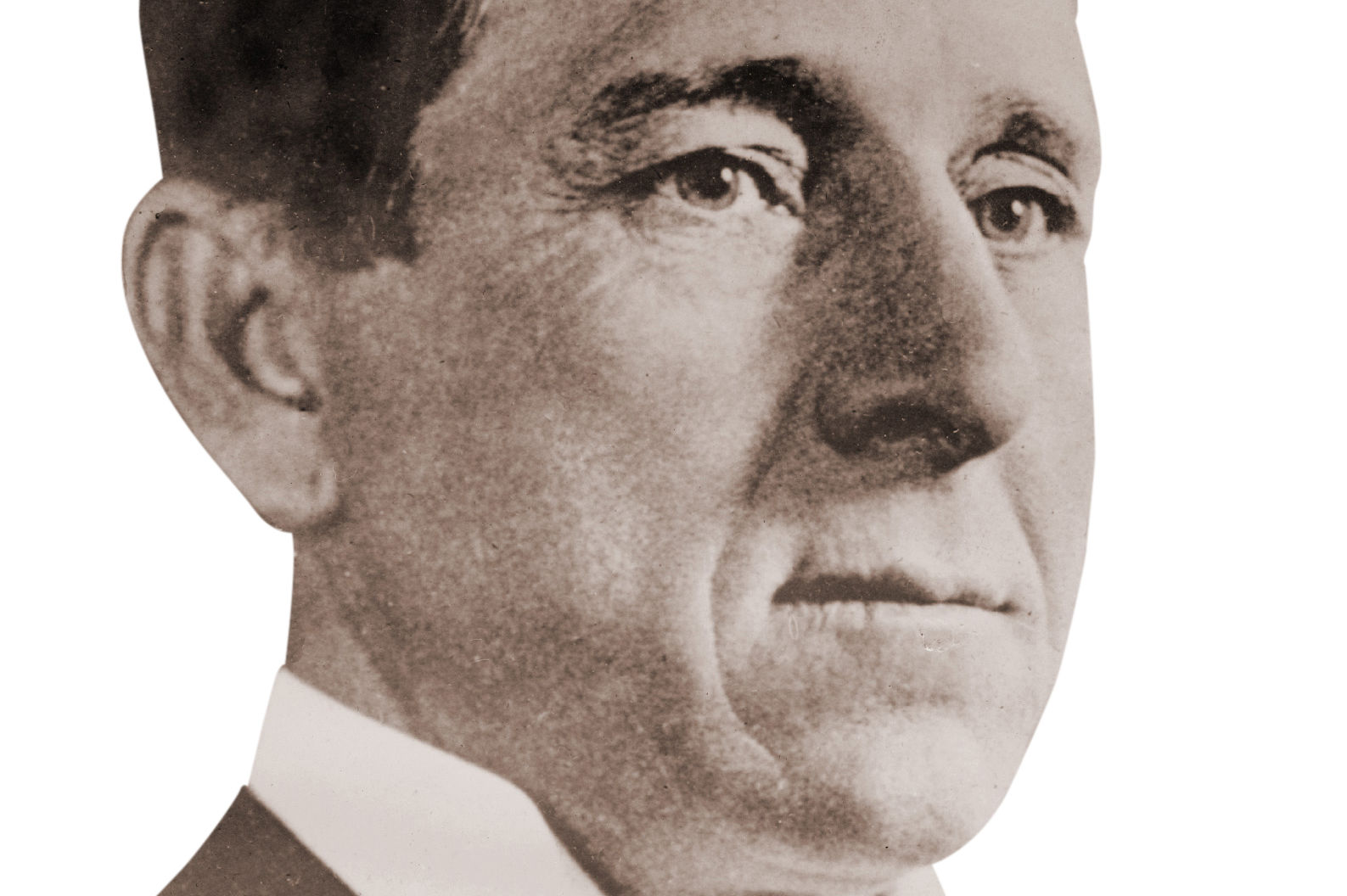
Few have loved the rose more than Frederick V. Holman, the prominent Portland lawyer and lifelong bachelor who cultivated more than 500 varieties at his home on SW Taylor Street and, in a 1901 Oregonian op-ed, asked Portlanders to “Make Portland the ‘Rose City.’” He laid out his grand request in practical terms, noting which varieties to plant—such haughty French characters as Papa Gontier, Viscountess Folkestone, and Souvenir du Président Carnot—and giving instructions on ordering bushes. Portlanders took up his call, planting some 50,000 rosebushes in time for the 1905 Lewis & Clark Centennial Exposition. Thanks in part to Holman’s continued lectures, articles, and a how-to pamphlet, Roses at Portland, Oregon, and How to Grow Them, our city held its first Rose Festival in 1907. Two years after that, an estimated 100 million rose blooms perfumed the June air, and Portland had earned its nickname.
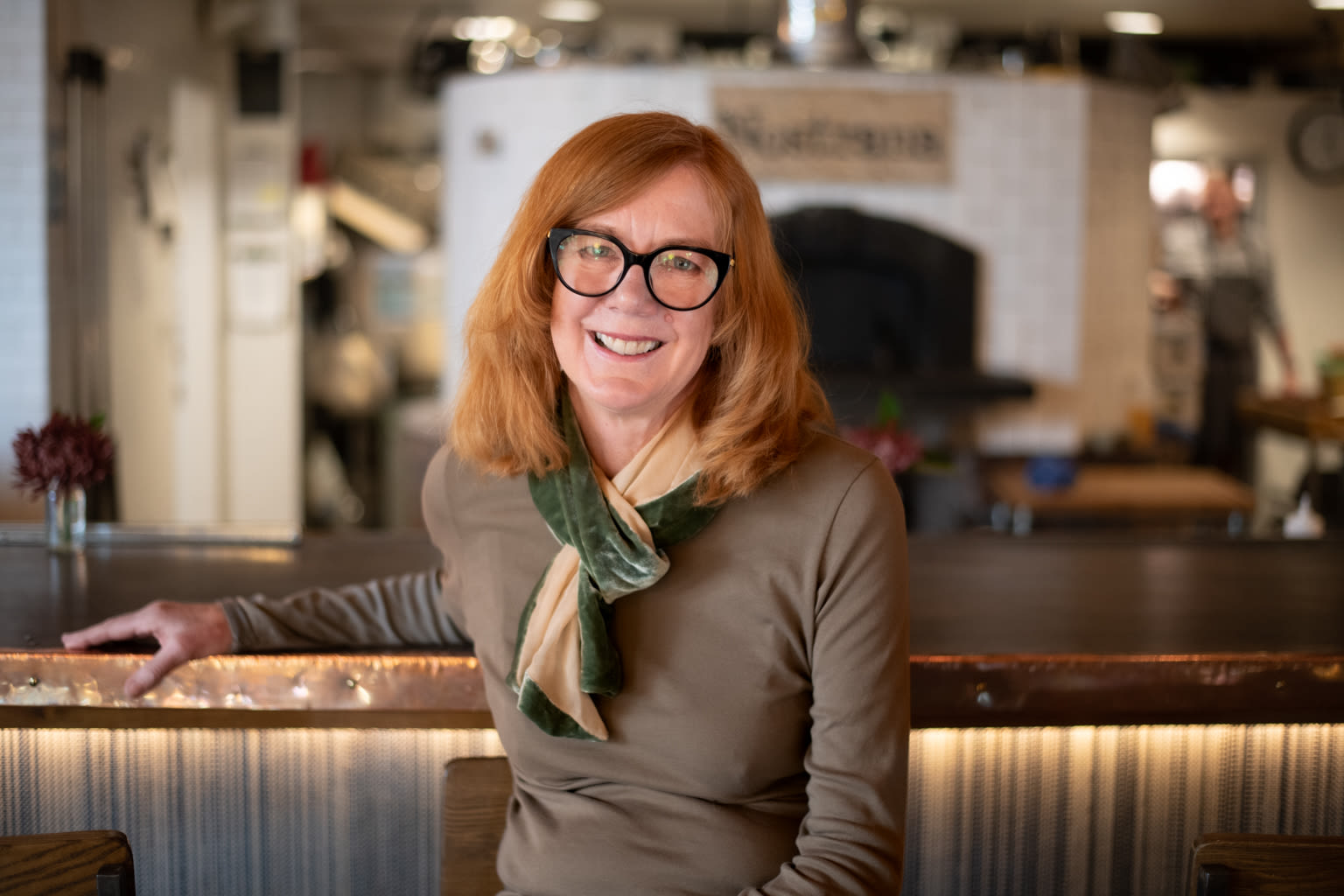
More than a century later, I’m huffing roses under a May sky in Margarett Waterbury’s garden. “This rose smells like apricot custard cream soda,” announces Waterbury, a writer and a friend of mine. Alongside us, another friend, Oregon State University professor Lane Selman, wears blush-pink Sambas. She chose them because they’re the girlish pink of the Rosa del Veneto—not a rose at all but a radicchio variety that few Portlanders encountered until a couple of years ago, when our winter groceries began blooming in rosy profusion.
Selman, who works in OSU’s Department of Horticulture, is a modern-day Holman, on a mission to empower local citizens to embrace a new cultural symbol: radicchio, known in Italy as i fiori d’inverno (the flowers of winter) and i fiori che si mangia (the flowers you can eat). Radicchio (ruh-DEE-kee-oh) encompasses more than a dozen types of Italian leafy winter vegetables, eaten both fresh and cooked, that fall into the larger chicory species. In September Selman and Waterbury will publish their own version of Holman’s how-to, adorned with radicchio money shots by Portland photographer Shawn Linehan.
Radicchio: A Celebration of the Beloved Italian Vegetable opens with an engrossing human and natural history of the plant, “an astonishing world of roses that you eat,” from wild chicories to contemporary varieties. The middle holds a similar call to action as Holman’s pamphlet, with detailed gardening instructions on how to grow sweet, nutty, well-formed heads and in-depth descriptions of radicchio types: Treviso Tardivo, Rosa di Gorizia, Lusia. But the back third looks and feels like a top-tier cookbook, with a dozen salad recipes as well as 30-plus cooked dishes unfamiliar to most American kitchens. Think warming your bowl of radicchio pesto over a pot of boiling gnocchi, or topping Borlotti bean soup with fresh radicchio for a play of contrasting textures, or tossing the small, whole heads with freshly rendered pork fat and cider vinegar.
In part, Radicchio tells the tale of a trend on the rise. Two decades ago, the radicchio salad was a novelty. (In Portland, Nostrana and Toro Bravo were early adopters—the book features a recipe for the now-iconic Insalata Nostrana.) Today, stylish pizza joints and taverns around the country offer their own versions. But a more consequential, deeply local story weaves through the pages of Radicchio: how a loose network of Pacific Northwest researchers, farmers, and chefs reached across the Atlantic to transform a dumpy misfit into the Miss Winter pageant winner. Over the course of the book, in profiles of farmers and seed growers, in recipe headnotes, in descriptions of types, radicchio materializes as the poster child for our local food culture at its best: symbiotic rather than siloed, and shaping the tastes of the nation.

Image: Courtesy Shawn Linehan
Selman came to radicchio via her research, which puts her in close collaboration with organic plant breeders who develop vegetable varieties for farms and kitchens instead of agribusinesses and factories, selecting for things like flavor over uniformity. Selman saw that her colleagues’ work wasn’t reaching a larger audience, including leaders within the local food system who could take their trials into the world. In 2011, she founded an initiative, the Culinary Breeding Network, and began organizing tasting events to bring plant breeders, farmers, distributors, grocers, chefs, and home cooks into conversation. While working on a grant to promote winter crops, she met with Local Roots Farm owners Jason Salvo and Siri Erickson-Brown, early radicchio evangelists. Planted at the height of summer, the vegetable can be harvested in fall and winter and stored through spring, helping farmers improve their income while other cash crops aren’t producing. For consumers, it offers a drop-dead gorgeous alternative to inert bags of California lettuce. But most local farmers were clueless about how to grow it. The book describes early efforts as “spongy and hairy.” And chefs and home cooks were just as lost.
In 2018, Selman, Salvo, Erickson-Brown, and other food leaders invited Seattle restaurants to feature radicchio on their menus, a campaign that culminated in the Sagra del Radicchio, a radicchio-centered food festival that now bops between Seattle and Portland. (The 2026 event takes place in Portland on Saturday, October 24, at the Redd on Salmon.) A loose community of radicchio-heads began to share wisdom, including at naked farmer meet-ups at Breitenbush Hot Springs—a detail mysteriously missing from the book. Selman led delegations to Italy’s Veneto region, the birthplace of radicchio as we know it, to learn how to cultivate and store chicories. The group now collaborates with an Italian seed producer to import diverse organic seed.
The work has borne fruit, making radicchio an economic lifeline during farmers’ most sodden season. From 2023 to 2024, produce specialist Rubinette’s radicchio sales jumped more than 50 percent. The following year, Organically Grown Company, the region’s largest organic vegetable distributor, doubled its radicchio volume. “Seeing radicchio at a market stall or on the shelves of a farmstand is a kind of shorthand for a more thoughtful, less extractive sort of agriculture,” Selman and Waterbury write. “It’s beautiful—more beautiful than it needs to be. Life offers us so few opportunities to indulge our aesthetics while aligning with our ethics. Why miss one?”
Some of the most eye-catching and delicate radicchios come out of a process called imbianchimento. Farmers dig healthy plants from the fields, bundle them together, and sit their roots in tepid water to grow indoors with little to no light. Reading about imbianchimento, I feel the stirring of recognition. Is this not what I do to myself every Portland winter? Increasingly pale, swaddled with my friends, our feet wet, the sky gray—what are we doing if not blanching ourselves tender? If the rose represents all the beauty our city makes during sun-drenched summer days, isn’t radicchio about the productive beauty of the dark? If you squint, if it’s raining, Rosa di Gorizia looks an awful lot like a crimson rose.