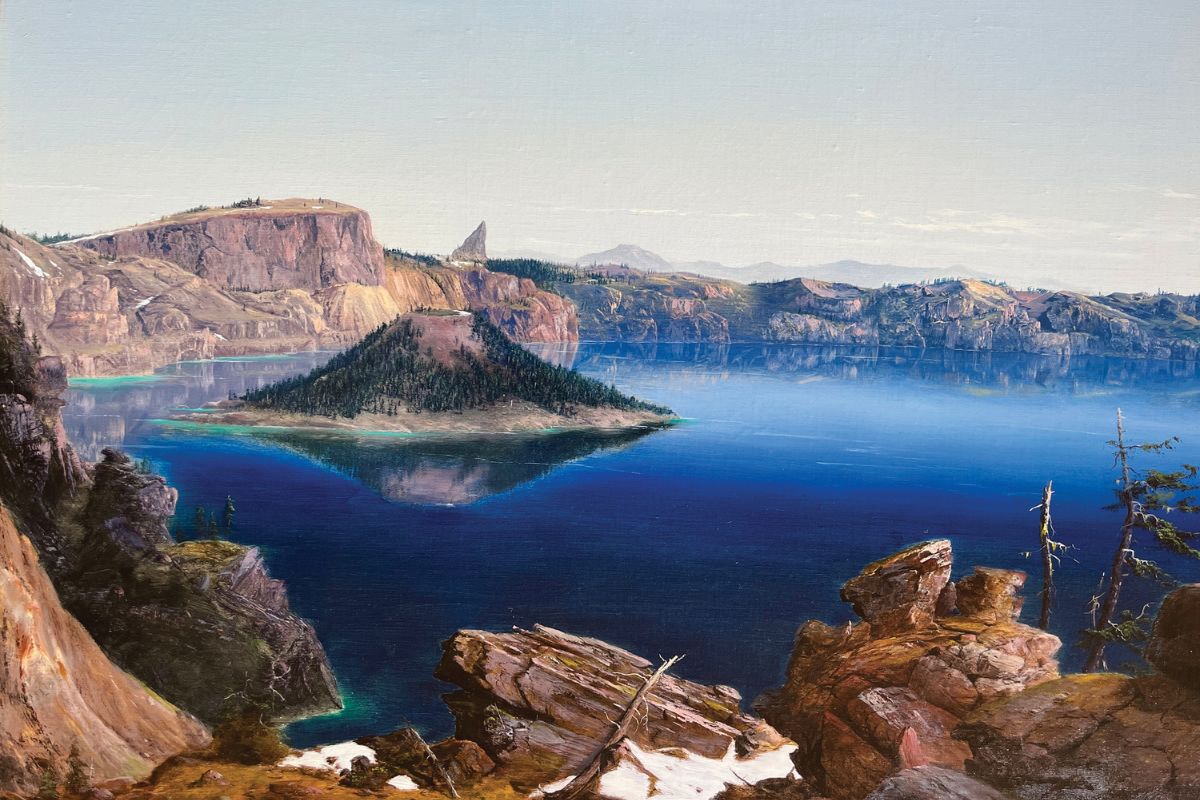
Today, Crater Lake is one of Oregon’s most recognizable natural wonders. Its impossibly blue waters, dramatic cliffs, and volcanic landscape draw visitors from around the world. But in the late nineteenth century, relatively few people had ever seen the lake in person. So how did this Oregon landscape capture the imagination of an entire nation?
The answer, in part, lies with a handful of artists who helped bring Crater Lake to life on canvas.
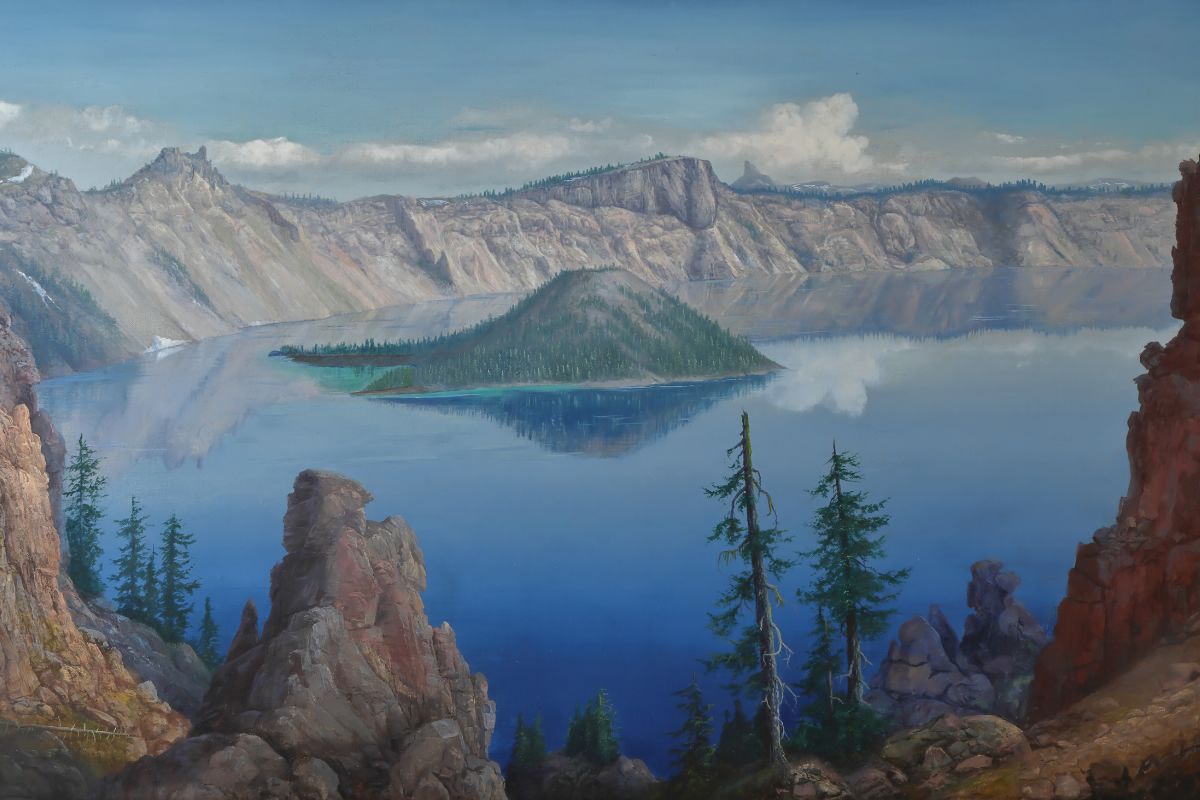
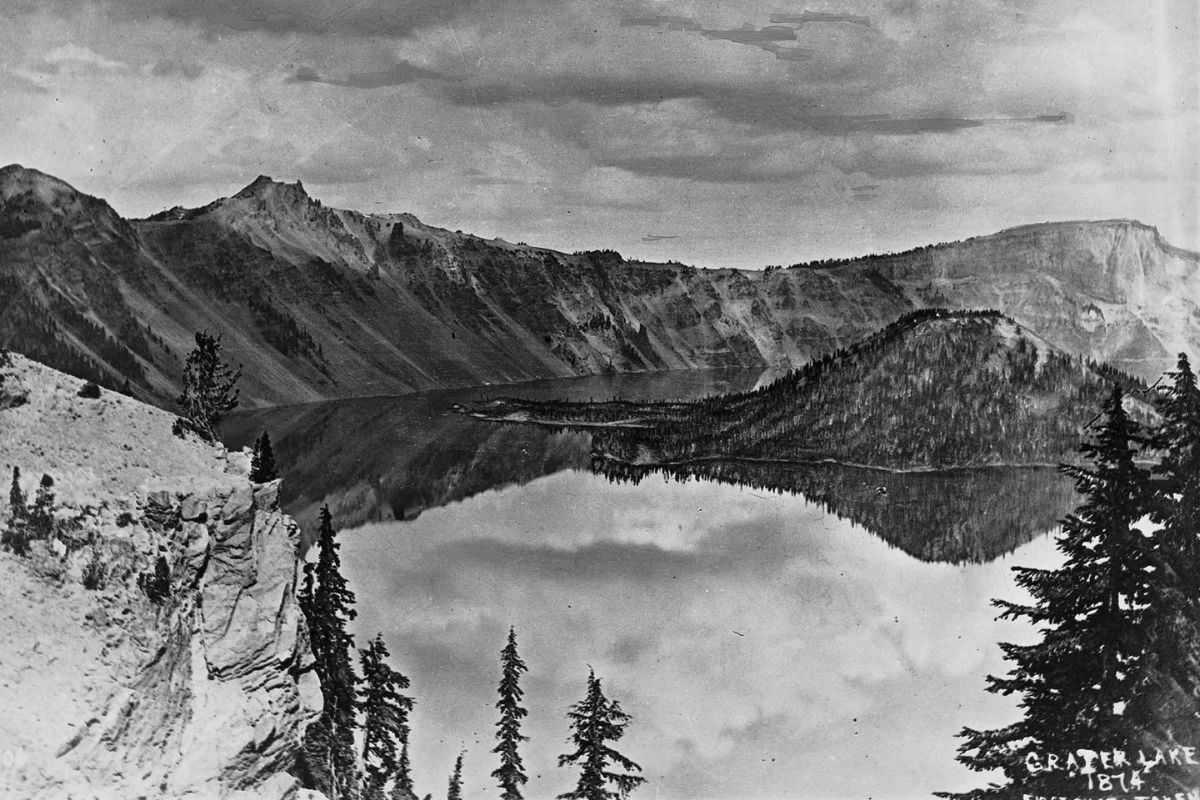
Long before color photography, painters offered audiences something that written descriptions and black-and-white photographs couldn’t quite capture: the extraordinary color and beauty of the landscape. Their paintings introduced Crater Lake to people far beyond Oregon, inspired conservation efforts, and helped make the case for protecting it as a national park.
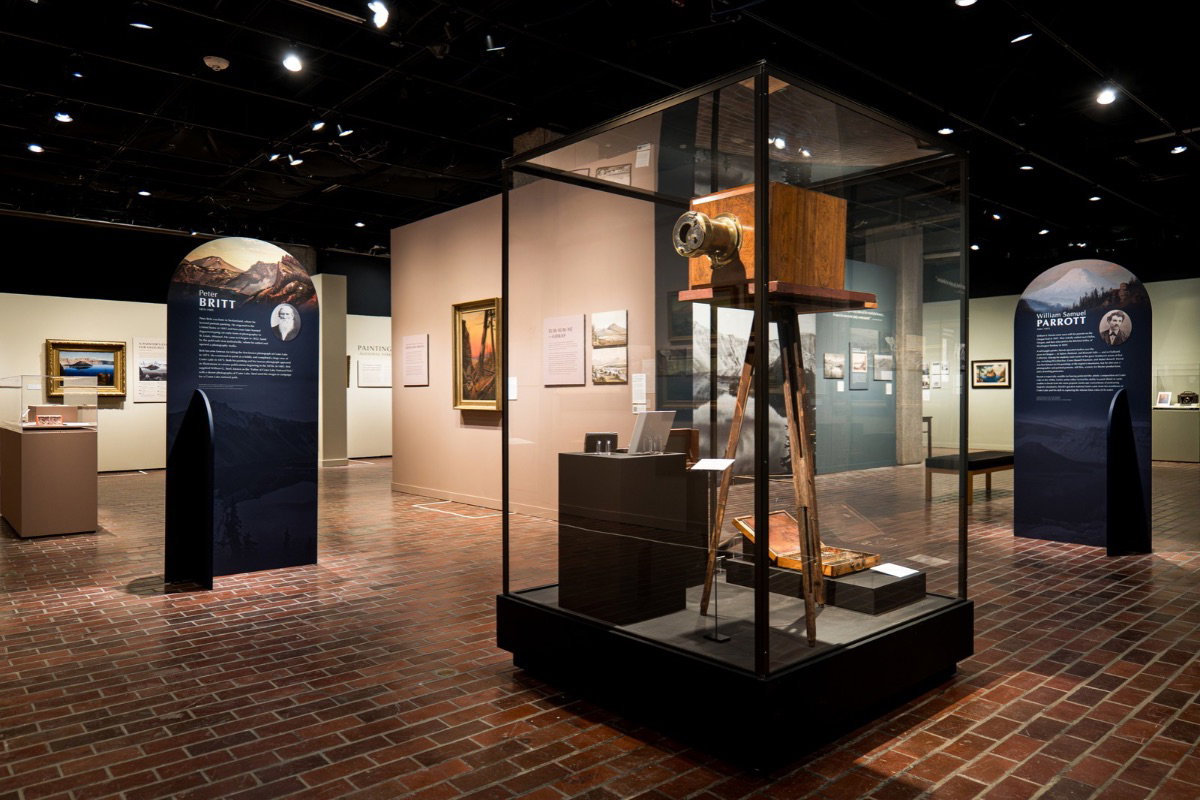
Opening November 20, 2026, at the Oregon Historical Society (OHS), Creating a Masterpiece: Artists and the Origins of Crater Lake National Park explores this fascinating intersection of art, science, conservation, and history. Featuring 21 original paintings — many of which have never been displayed together — alongside historical photographs, correspondence, illustrations, and other objects, the exhibition uncovers a lesser-known story behind one of the state’s most treasured places.
When Art Helped Make History
Artists including James Everett Stuart, Grace Russell Fountain, Mabel Russell, and William Samuel Parrott helped introduce Crater Lake to audiences across the country. Through their paintings and exhibitions, they transformed a relatively unfamiliar landscape into a place people wanted to see, experience, and protect.
Their influence reached all the way to Washington, D.C. In 1902, as Congress debated the creation of Crater Lake National Park, one of Oregon artist Grace Russell Fountain’s paintings was displayed in the U.S. Capitol, giving lawmakers a vivid impression of the remarkable landscape they were being asked to preserve.
That same year, Crater Lake became the nation’s fifth national park and Oregon’s only national park.
As the park approaches its 125th anniversary in 2027, Creating a Masterpiece offers an opportunity to look beyond the familiar story of its establishment and discover the artists whose work helped make it possible.
“The goal of Creating a Masterpiece is not to present you with the familiar story of how Crater Lake National Park came to be, but to offer an unknown version of the park’s origins that has been literally hiding in plain sight,” said historian and exhibition co-curator Peter Boag.
A Story That Begins Long Before the Paintings
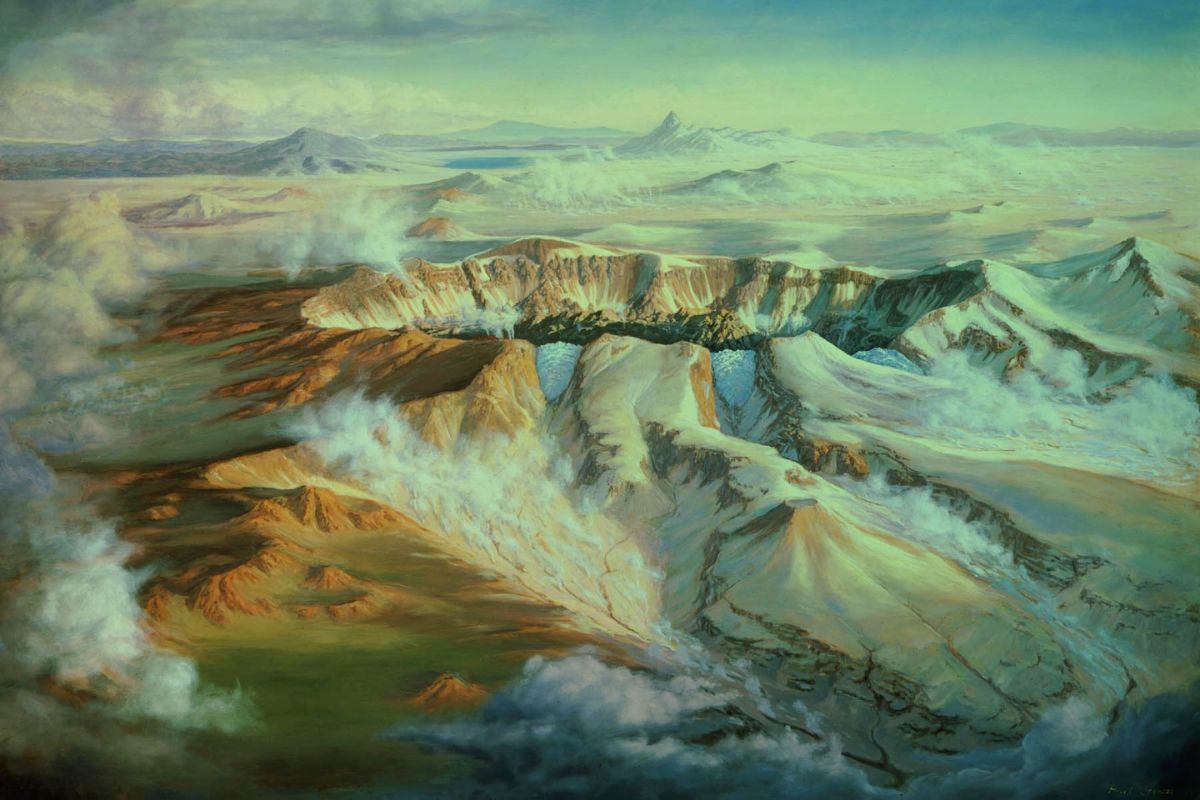
The story of Crater Lake, however, begins thousands of years before artists arrived to capture its beauty.
Located on the ancestral lands of the Klamath Tribes, the lake is known as giiwas, a sacred place with deep cultural and spiritual significance. Klamath and Modoc people have longstanding connections to this landscape and have shared through oral traditions their experiences of the volcanic eruption and collapse that formed the lake.
While the paintings helped introduce Crater Lake to a national audience, they also tell a more complicated story about how the American West was represented. Many western landscape artists included Native people in their depictions of the region, yet their paintings of Crater Lake largely excluded Indigenous presence. By presenting the landscape as an untouched wilderness, these images obscured the people who had known, lived with, and cared for this place for generations.
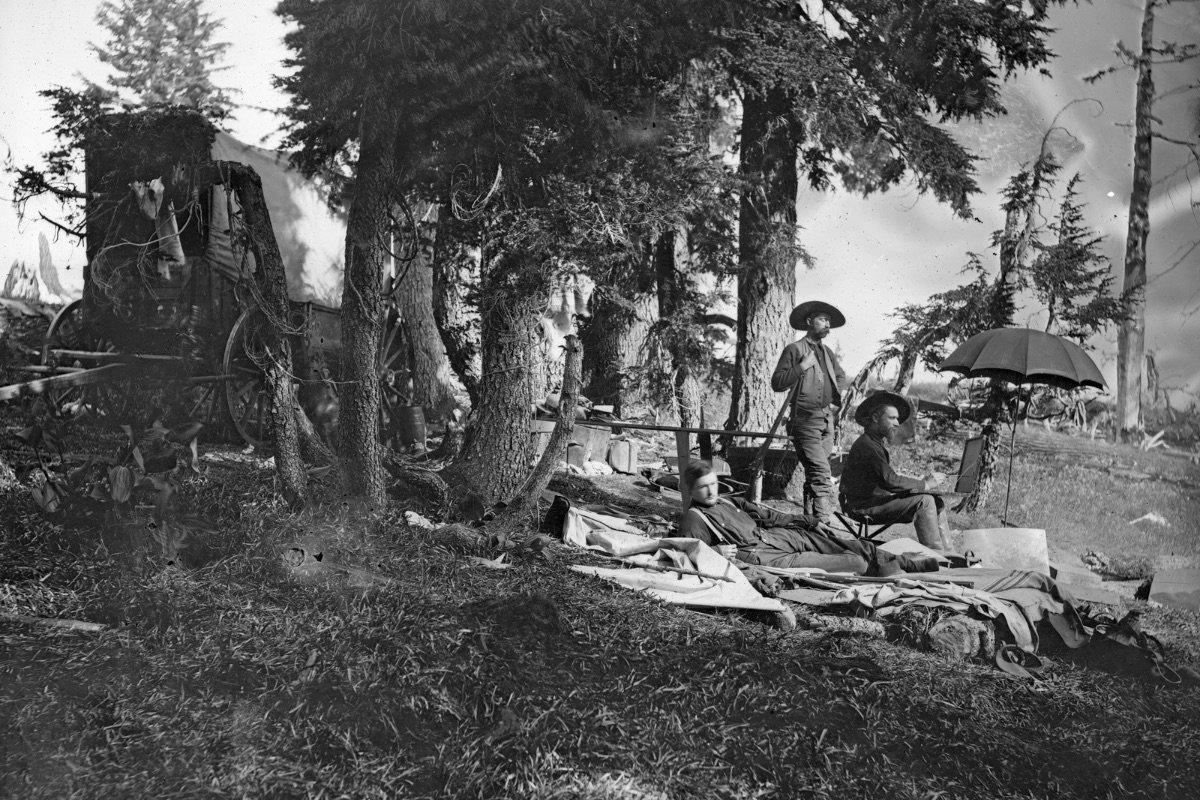
The exhibition invites visitors to consider not only what these artists chose to put on their canvases, but also what — and whose stories — they left out.
“At a time when verbal descriptions, however vibrant, and black-and-white photographs, however amazing, increasingly circulated in newspapers, books, and government reports, they could not capture the colorful beauty that one needs to see to believe,” Boag said. “It was left to painters of landscape to perform this role. But like writers, illustrators, and photographers, artists offer a view of Crater Lake very much shaped by the times in which they lived.”
Explore the Art and Stories Behind Oregon’s Only National Park
Through original paintings and rarely seen historical materials, Creating a Masterpiece encourages visitors to look at Crater Lake with fresh eyes. It’s an opportunity to discover the artists who helped shape its national reputation, explore the relationship between art and conservation, and reflect on how the stories we tell about a place influence what we understand about its past.
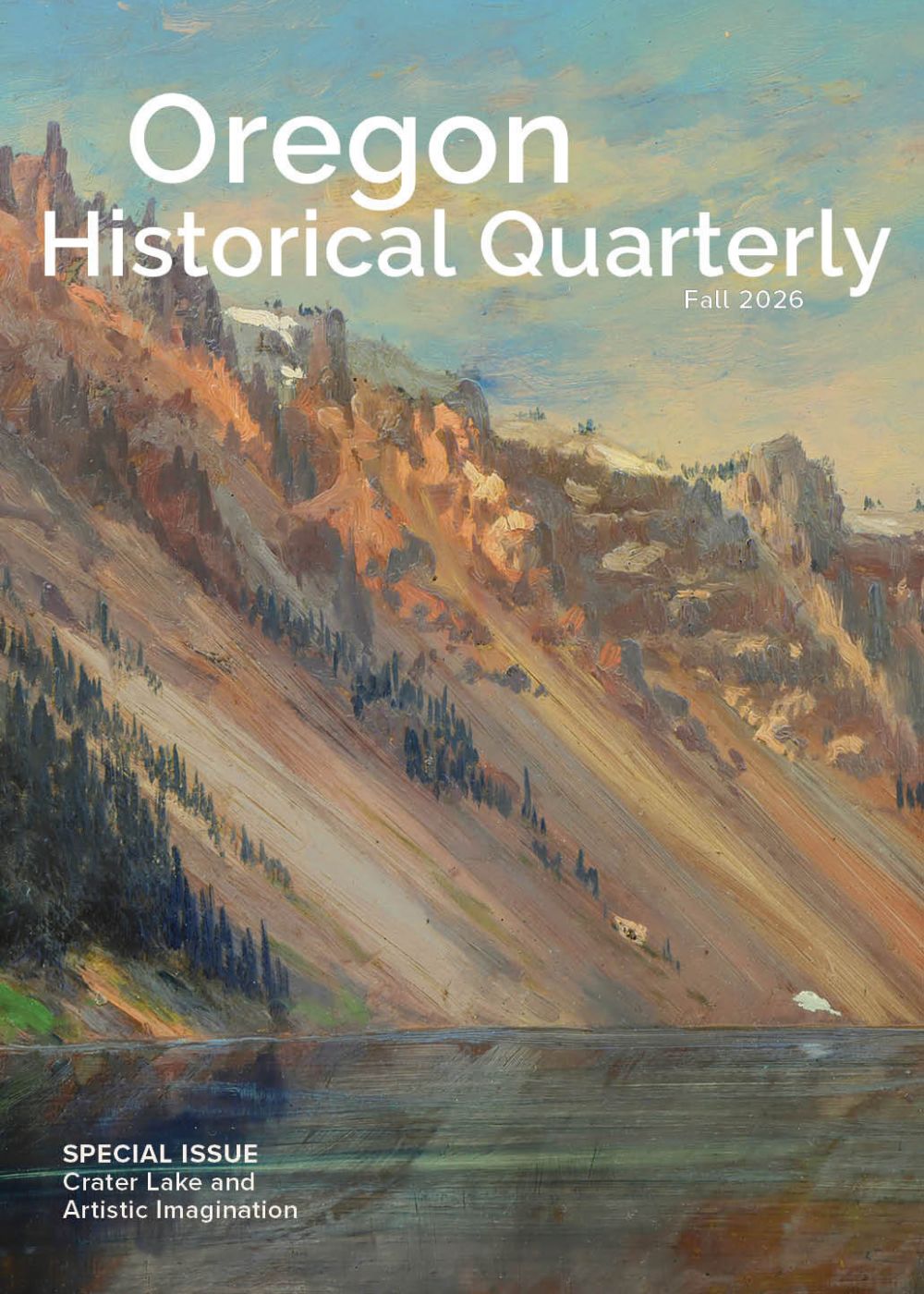
For those interested in digging even deeper, OHS has also dedicated a special issue of its peer-reviewed public history journal, the Oregon Historical Quarterly (OHQ), to this history. Titled “Crater Lake and Artistic Imagination,” the Fall 2026 issue features work predominantly written by Boag, along with essays by Angie Morrill, an enrolled citizen of the Klamath Tribes; Michael Childers; and Lisa Gadinas. Together, the contributors explore the influence of landscape painting on the creation of the national park, the enduring cultural significance of giiwas, the complexities of interpreting western history, and the artistic traditions that influenced generations of Northwest painters.
The issue is available for purchase at the OHS Museum Store and is also a benefit of OHS membership.
Whether you’re an art enthusiast, a history lover, or simply someone who has stood at the rim of Crater Lake and marveled at its extraordinary beauty, this exhibition offers a new perspective on a familiar Oregon landmark — and the people and stories that helped shape its place in our shared history.
Plan Your Visit
Creating a Masterpiece: Artists and the Origins of Crater Lake National Park will be on view at the Oregon Historical Society, 1200 SW Park Avenue in Portland, November 20, 2026, through January 9, 2028.
OHS is open Monday through Saturday, 10am–5pm, and Sunday, 12pm–5pm. Admission is free for OHS members, Multnomah County residents, and youth 17 and under.
Learn more and plan your visit at ohs.org/craterlake.
|
|
|