What Portland Can Learn from Amsterdam’s Swimming District

Image: Courtesy Willie Levenson
One of the happiest places I visited in Amsterdam was not a museum, a famous canal, or a historic square. It was a public swimming hole.
Buitenzwembad Marineterrein occupies the protected inner harbor of a former naval base near Amsterdam’s city center. On the afternoon my wife and I visited, people were swimming, diving, sunbathing, eating lunch, and settling in beside the water. Teenagers launched themselves from an elevated platform. Parents floated with young children. Friends stretched out across the dock in swimsuits. Office workers appeared to have slipped away for a midday swim, though I can’t be sure—titles, jobs, and status become less important when everyone is standing barefoot and dripping beside the same ladder.
I started calling the divers the Flying Dutchmen, although in truth they were mostly flying teens. Some jumped. Some flipped. Some seemed to hang in the air long enough to reconsider what they were doing.
Nearly everyone watching smiled.

Image: Courtesy Willie Levenson
Our host was Frederik van Os, whom I met through the international Swimmable Cities movement. He led us toward Marineterrein along what he described as a somewhat secret route, skirting piers and crossing pedestrian bridges a short walk from Amsterdam Central Station while pointing out places where the city’s relationship with its water was changing.
Before reaching the main swimming area, we passed several smaller places where people could enter the harbor. Some had little more than a ladder, a bench, and a comfortable place to sit. Bars, restaurants, and convenience stores were nearby. Individually, each place was modest. Together, they formed a swimming district.
It was wonderful to be in the heart of Amsterdam and see people walking around in swimsuits against a backdrop of brick buildings, piers, and pedestrian bridges.
That may be the most useful idea Amsterdam has to offer Portland. A successful urban swimming culture does not depend on one enormous destination. It can grow from a network of welcoming places where people can jump in, climb out, meet friends, eat something, and linger.

Image: Courtesy Willie Levenson
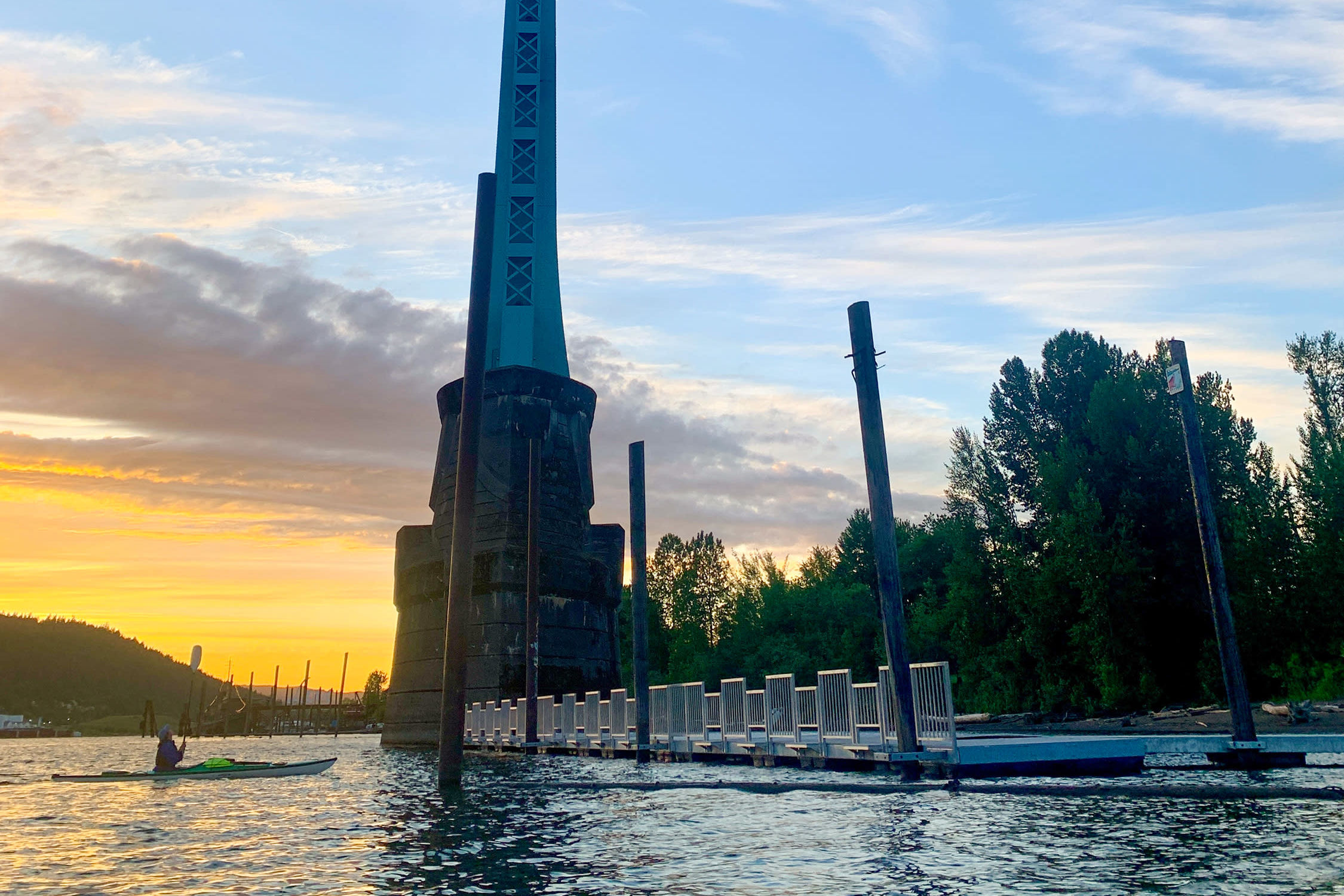
Marineterrein is the district’s main attraction. The former military site began opening to the public in 2015, with the first section opening that January. People soon started swimming and sunbathing there. Public use came first. Infrastructure, monitoring, and formal recognition followed.
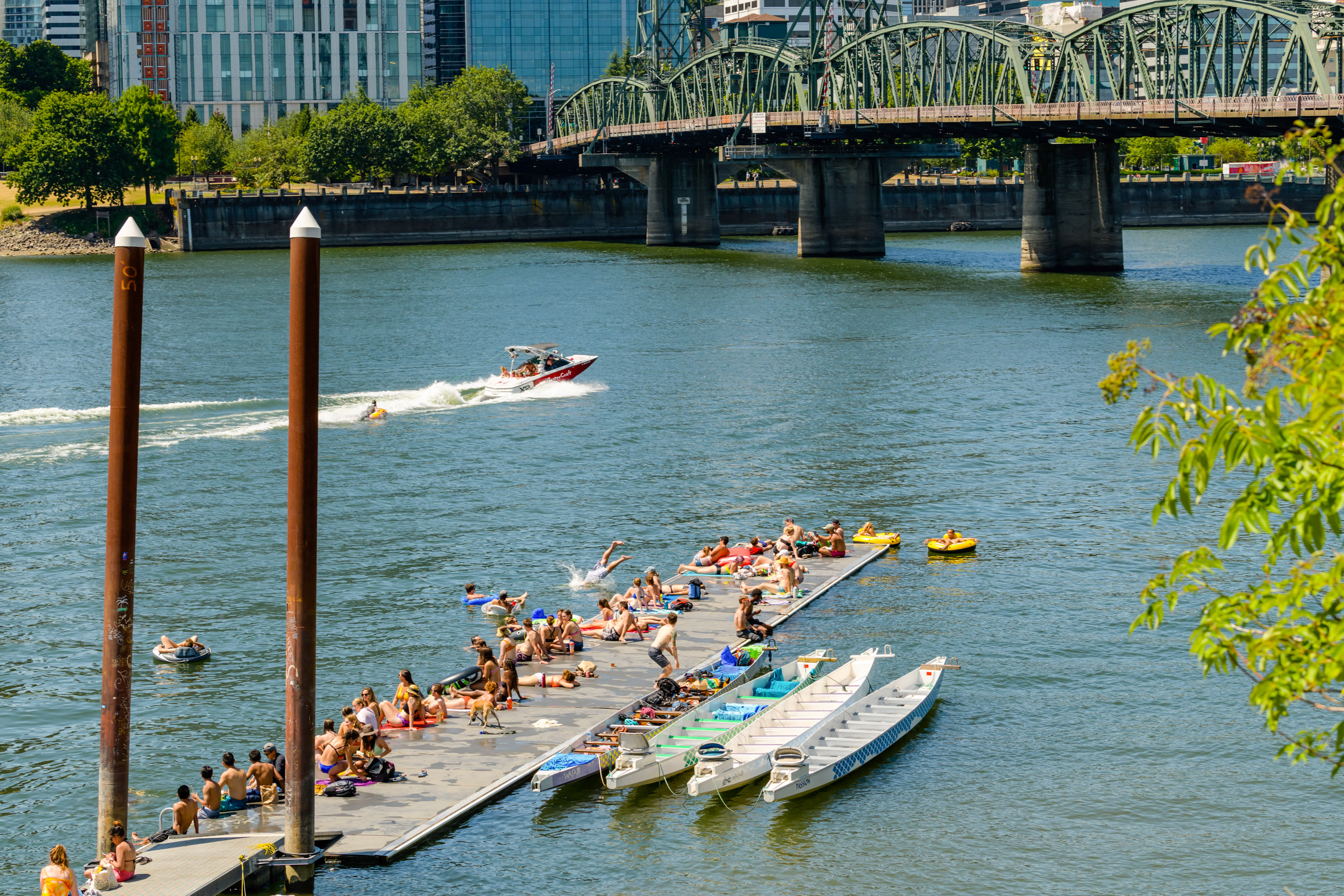
That story felt familiar. Portlanders also began swimming along the Willamette before Portland Parks and Recreation formally designated swimming areas. In 2010, I founded an advocacy group called Human Access Project with the goal of improving Portlanders' connection to the Willamette. At Cathedral Park, downtown docks, and other access points, people demonstrated what they wanted simply by showing up. The swimmers came before the official designations did. In both cities, culture moved faster than bureaucracy.
Collective action, even around something as innocent and joyful as swimming, can have more power than we think. When enough people begin treating a river as a public place, government eventually has to decide whether to resist that behavior or help make it safer.

Image: Courtesy Willie Levenson
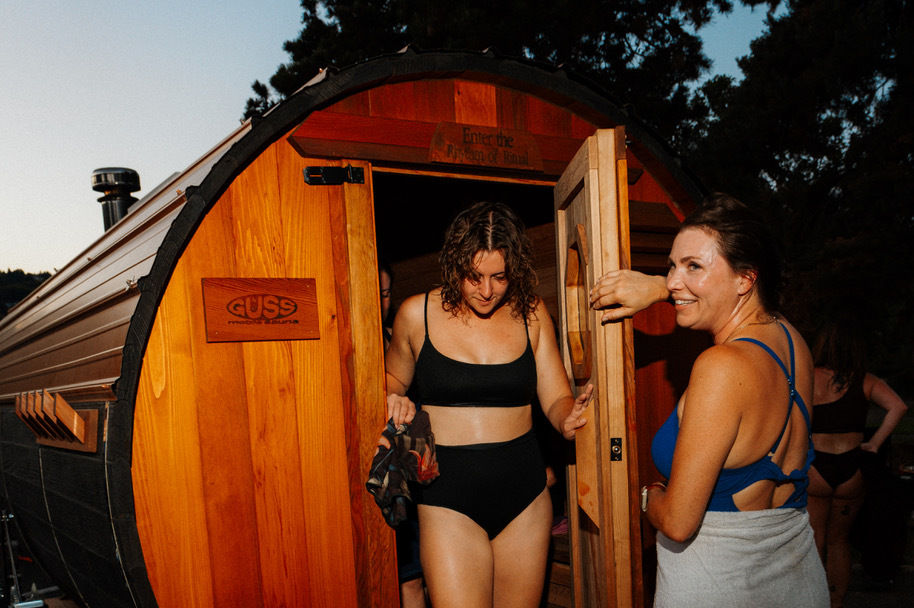
At Marineterrein, the ingredients felt obvious once assembled. There were places to jump and safe ways to climb out. There were changing rooms, bathrooms, and marked swimming areas. Food and coffee were nearby. Two saunas bordered the swimming space and were available by appointment, giving swimmers a place to warm up and another reason to linger. Floating wetlands brought nature into the experience.
None of these features was revolutionary. Together, they transformed a section of harbor into a place where people wanted to spend an afternoon. This is not merely about water access. It is about creating human habitat at the water’s edge.
After leading Human Access Project for 16 years, I stepped down earlier this year. Since then, my wife and I have been traveling in Europe, using HomeExchange to trade homes with other travelers. I happened to be messaging a future guest at our Portland home as I was sitting beside the harbor watching the Flying Dutchmen fling themselves into the water. She lives in The Hague but grew up in Northeast Portland. I sent her a few photographs.
Her response arrived almost immediately: “You will never see Dutch so happy.”
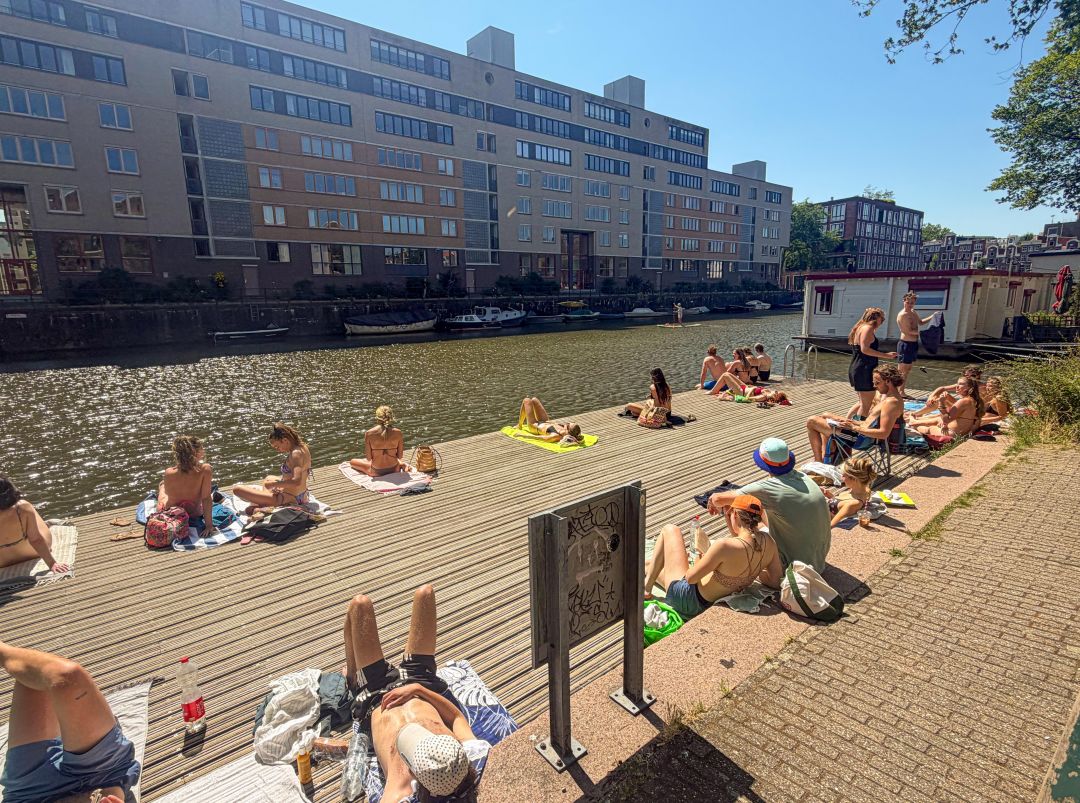
Image: Courtesy Willie Levenson
The more I watched, the more I realized their happiness was not accidental. The city had created the conditions for it. I could not help imagining a similar swimming district in Portland, one larger destination connected to smaller, welcoming places at RiverPlace, Gov. Tom McCall Waterfront Park, and the Central Eastside near Audrey McCall Beach. Some could have just platforms and ladders. Others might offer changing rooms, bathrooms, food, floating habitat, or a sauna. People could walk through the neighborhood in swimsuits carrying towels and floaties without feeling out of place. The river would not merely border the neighborhood. It would become part of its daily life.
Portland is already closer to this future than many people realize. The Willamette is increasingly understood as a place for swimming, paddling and gathering. At Cathedral Park, once the right infrastructure appeared, including a swimming dock and ladders, public use grew almost immediately. Small investments can produce enormous changes in behavior.

Image: Courtesy Willie Levenson
KLM’s nonstop flight makes Amsterdam an easy first stop for Portlanders headed to Europe, linking two river cities with more in common than might first appear. Within hours of landing, visitors can be walking, biking, or swimming through a city that offers a glimpse of Portland’s possible future. (Of course, they can also be enjoying rich, crispy croquettes, a favorite local meat-filled fried snack, at Buurtboerderij Centraal and Belgian-influenced IPAs at Brouwerij ’t IJ, both right by the water.)
Cities spend a great deal of time discussing housing, transportation, economic development, and public safety. Those conversations matter enormously. But so does happiness. Sometimes civic progress looks like a major bridge or transportation project. Sometimes it looks like a teenager executing a backflip into a harbor while a hundred strangers smile.
After stepping down as executive director of the Human Access Project, Willie Levenson is excited to be gallivanting around the world with his wife, Lulu, founder of Popina Swimwear.