
Feeling the heat this summer? Well, get comfortable—because those scorchers could be here to stay.
That’s because right now Portland is in the grip of El Niño, a massive, weather altering phenomenon that has our seasons properly screwed up. Tropical rains that typically come in from the Pacific are diverted by a complex series of effects caused by the warmed El Niño waters, sending that rainfall down south. That’s why some meteorologists are predicting above average rain in places like Southern California. Oregon’s weather might look very different, however.
We reached out to Kathie Dello, associate director of the Oregon Climate Change Research Institute, to find out how El Niño and climate change overall could affect Portland, and Oregon as a whole, in the coming years.
1. Toastier winter
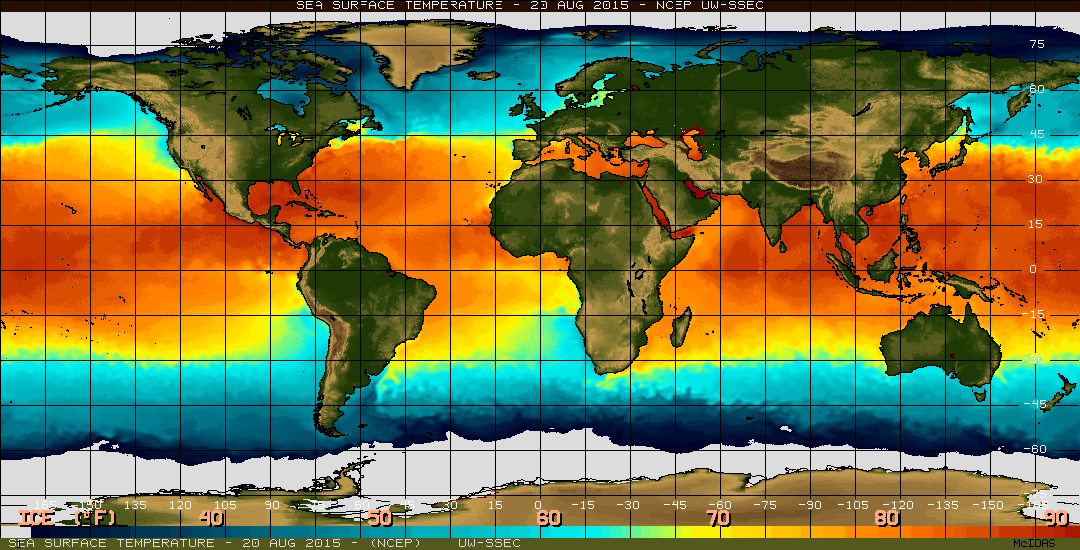
A map of sea surface temperature in the equatorial Pacific Ocean
El Niño is a pattern of warmer-than-normal sea surface temperatures in the Pacific, mostly around the equator. These warmer temperatures can jostle normal atmospheric patterns, sometimes diverting storms away from the Pacific Northwest. This leads to cooler winters in the south, but warmer winters for us.
That’s likely what we’re looking at this coming fall, as the climate forecast is predicting dry, dry, and drier.
2. Drought as the norm

A map of the dismal mountain snowpack levels across Oregon and beyond.
Image: US Department of Agriculture
Counties all across southern and eastern Oregon have declared drought emergencies, but this shouldn’t come as any surprise. We didn’t get a snowpack this winter and our spring and summer rainfall was almost nil. Now we’re looking down the barrel of another potentially warm and dry winter which, if it comes to pass, points to only more droughts.
“Our streams are low right now,” says Dello. “You’re seeing the impacts in agriculture; you’re seeing the impacts off our coast, so that could continue. We’re hoping the rain comes back. We’re hoping it’s a cool winter with a big snowpack, but El Niño’s in the back of everyone’s mind.”
3. Water restrictions for agriculture

A long-abandoned Oregon farmhouse.
Image: Don Graham
Agriculture is a big industry for Oregon, and it’s not doing well right now. Some producers have shifted to new crops in anticipation of the lack of rainfall. Others have simply let their fields go fallow. Some of the drought declarations mentioned above are specifically because of agricultural impacts. The result is producers tapping into groundwater and regulations being placed on irrigators’ water supplies.
“Agriculture is a huge part of our economy and it’s definitely being impacted by this drought,” says Dello.
4. Winter sports take another hit

Image: mishaAshton
One of the perks of living in Portland is easy access to a wide range of, well, ranges—mountains with ample recreational potential. Winter sports might take a hit due to El Niño since a lack of powder means nowhere to shred. Bummer.
Dello says public understanding of El Niño has increased over the years, especially among those recreationally inclined who know what warmer weather means for the snowpack.
5. Fires! Lots of them!

Wildfires have been cropping up all over the Pacific Northwest recently, and there’s a good chance they’re here to stay.
Image: Washington National Guard
Dello says this year’s El Niño is the strongest one on record for this time of year. Much of Oregon lost its soil moisture early in the year because of lack of snow which, combined with the higher temperatures, has led to an explosion of wildfires over the last few weeks.
This doesn’t mean there won’t ever be cold winters with big snowpacks, but climate is all about long term trends. And what we saw last winter looks a lot like the future: A drastically different Oregon.
|
|
|