A Naughty Nibble That Almost Turned Tragic

The impact of this new service was immediately evident in our very first hemoperfusion patient, Mila, a young dog who ingested a large quantity of melatonin gummies containing xylitol. On arrival to Bridgetown Veterinary Emergency and Referral, less than 30 minutes after ingestion, Mila was already lethargic and had a dangerously low blood glucose level, a classic and life-threatening effect of xylitol in dogs.

Xylitol ingestion in dogs is a true medical emergency. In canines, the pancreas mistakes xylitol for glucose and releases insulin, often three to seven times the amount released for real sugar. This results in a rapid and profound drop in blood glucose levels, leading to weakness, disorientation, tremors, collapse, and potentially life-threatening seizures. Symptoms can begin within 30 minutes but may be delayed up to 12 hours due to variable absorption.
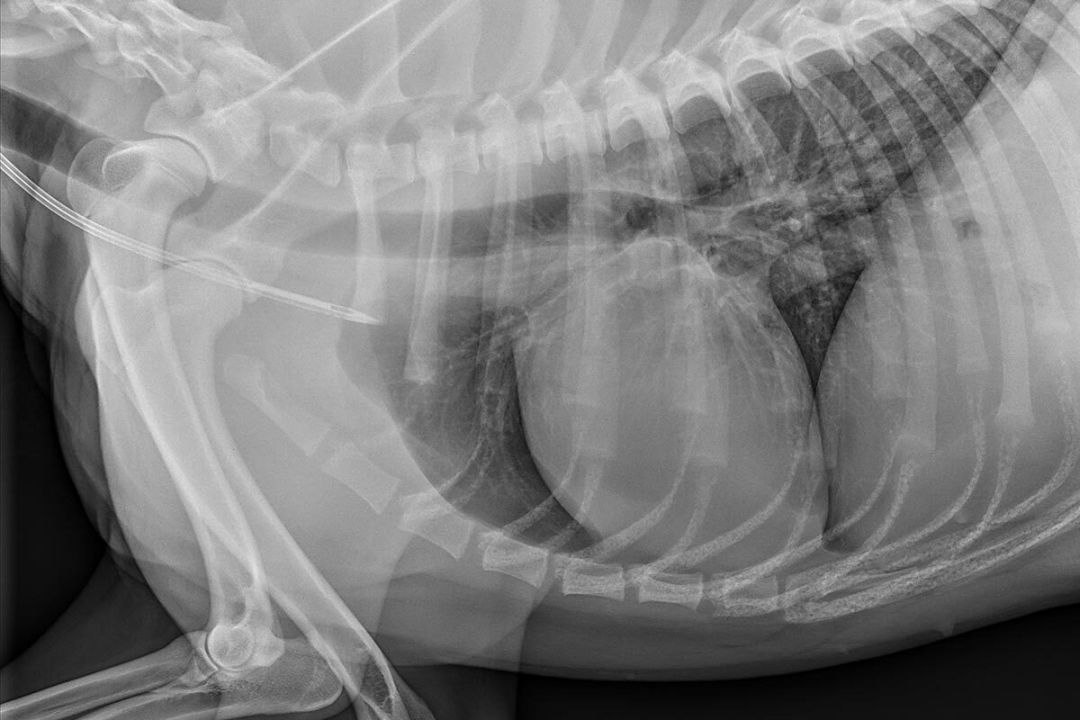
Even more concerning, higher doses of xylitol can cause acute liver necrosis. The mechanism is not fully understood, but the consequences can be devastating, ranging from internal hemorrhage and clotting abnormalities to liver failure and possible death.
In Mila’s case, the amount ingested placed her at significant risk for both severe hypoglycemia and liver injury. Given the magnitude of exposure and the narrow window for intervention, hemoperfusion was recommended to rapidly remove circulating xylitol and reduce ongoing liver damage. Mila underwent hemoperfusion under the close supervision of Dr. VanDerslice and our critical care team.

Following treatment, her clinical status stabilized, blood glucose levels normalized, and she was closely monitored for delayed liver injury. Mila’s case highlights the lifesaving potential of early referral and extracorporeal intervention in severe toxic exposure.

If you suspect your pet has ingested something toxic, don’t wait for symptoms to appear. Seek emergency veterinary care immediately. Our team at Bridgetown Veterinary Emergency & Referral is available to help when every minute counts.