Underground Electronic Music’s Portland Outpost
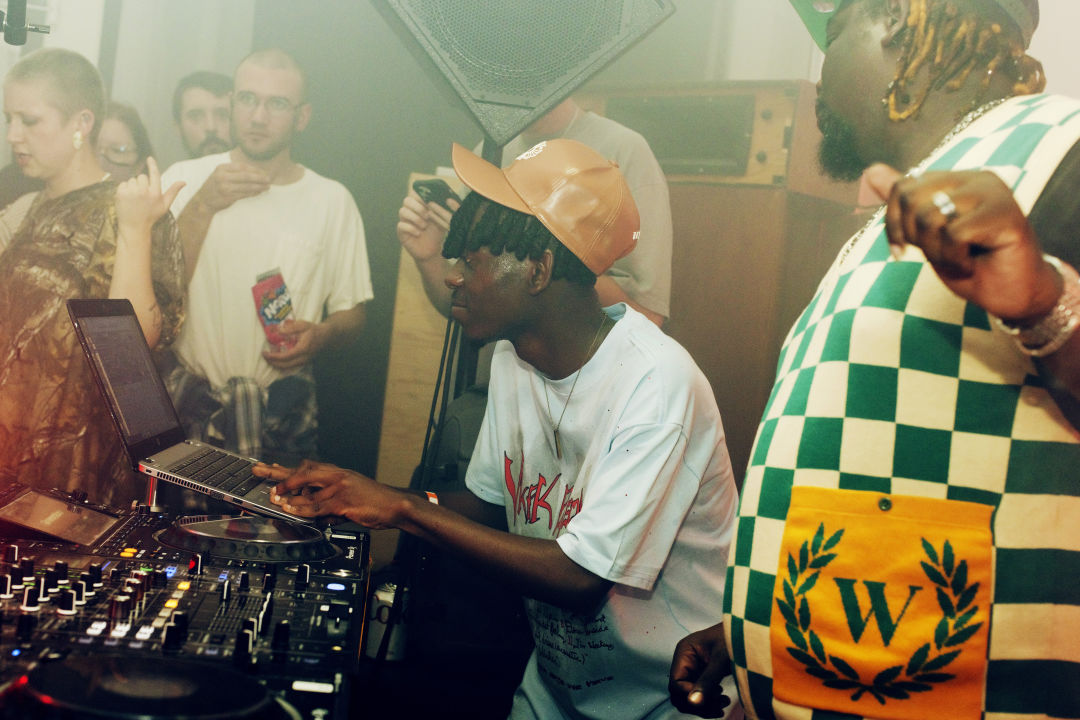
Image: Will Matsuda
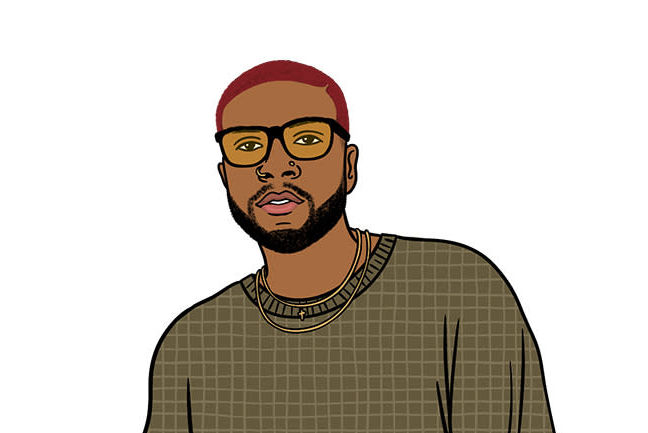
Jasmine Beach works the door most nights at Barn Radio. She posts up in her signature Kangol hat and tinted glasses on SW First Avenue between Oak and Pine Streets, checking IDs as fog drifts from the club’s unassuming storefront. Behind her is an outpost of electronic music’s international underground and the home base of Portland’s push to reconnect the genre with its Black roots.
“White men have historically dominated key parts of electronic music infrastructure,” Beach says, “from promoters and venue ownership to booking networks.” As the genre’s mainstream popularity has grown in recent years, notions of what a club environment looks, feels, and sounds like have seemed to shrink. “Even when they would open the door to other identities,” Beach adds, “it wasn’t kept open.”
Before the pandemic, the artist-run venue and synthesizer library S1 offered an alternative. Equal parts late-night dance club and highly curated art project, S1 was the product of a nuanced subculture. But its basement digs beneath a Hollywood-neighborhood Rite Aid didn’t last. When Beach, who is 37, discovered Barn Radio a few years later, she saw a glimmer of what was lost when S1 closed in 2020.
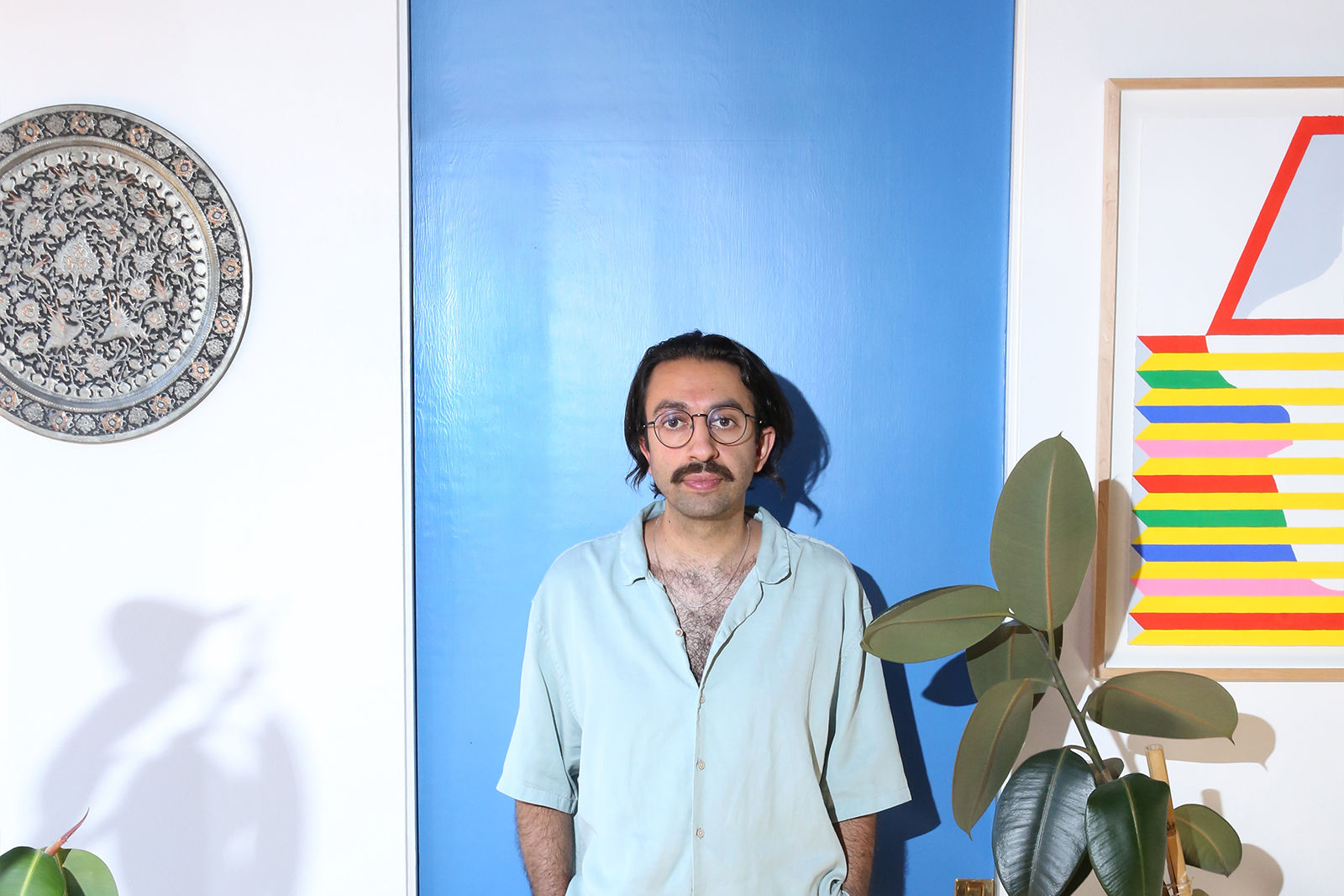
In its three short years, the club has hosted over 130 parties and welcomed artists from at least 30 countries, including South Africa, Portugal, Sweden, Colombia, and Jordan. But it didn’t necessarily start with such ambitions. It began during a snowstorm in February 2023, Cole Mitchell Johnson tells me. Johnson, a 32-year-old graphic designer with a strikingly gentle affect, had rented speakers for a client party before the weather shut Portland down. “Well, I have all these speakers,” he remembers thinking. “I didn’t want to be snowed in alone.” He borrowed a space, threw a party for a few dozen friends, and Barn Radio was born.
Today, Beach and Johnson serve as its codirectors. If her presence at the door shapes the club’s atmosphere, Johnson’s graphic sensibility and artist curation steer its ethos. Johnson moved from Chicago to Portland in 2019 for a job with FISK, the local design agency known for its work with musicians like Paramore, Clairo, and Aminé. The glitchy, text-based posters Johnson designs specific to each visiting DJ are central to Barn Radio’s identity. They give “form to the world-building and mystery of a late-night venue—capturing an experience that’s felt more often than explained,” says FISK founder Bijan Berahimi. In September 2025, Wieden & Kennedy hosted an exhibition of Johnson’s show posters.

Image: Will Matsuda
Nightlife venues come and go on this block. Before it became the haunted theme bar Raven’s Manor, the one-time McCormick and Schmick’s down the street had a short but expensive spell as a sleek dance club called No Vacancy Lounge, bringing big-name DJs to town before closing in 2019.
The churn reflects Portland’s ongoing struggle to find itself. But the post-lockdown scramble reset the city’s nightlife. Amid empty storefronts and outdated business models, the downtown core became a laboratory for experimentation. Barn Radio is one such DIY experiment. Its ad hoc appearance—it started out with an Ikea DJ booth and half-blown-out speakers—and a recent GoFundMe campaign reflect the venue’s lack of private investment, a reminder of its independence that points back to the genre’s scrappy roots.
While electronic music’s lineage is vast and spans the world, much of the modern sound can be traced to a few very influential Black DJs playing clubs in the ’80s in Chicago and Detroit. In Chicago, Frankie Knuckles, the “Godfather of House Music,” popularized that genre by sampling and remixing disco records at the Warehouse—an underground alternative to the era’s increasingly mainstream and exclusionary discos. Techno started soon after, not 300 miles east in Detroit, when the Belleville Three—DJs and school friends Juan Atkins, Derrick May, and Kevin Saunderson—blended Parliament-style funk and robot pop à la Kraftwerk into a synth-heavy futuristic sound to reframe Motor City’s industrial backdrop.
“So much of electronic music history is Black,” says Omari Jazz, a Portland-based music producer who frequently DJs at Barn Radio. “Being able to place yourself within a narrative is important, whether you’re trying to distance yourself from it or trying to be a part of it.”
Across the river, Holocene, a converted warehouse in the Buckman neighborhood, remains the city’s flagship dance party hub. But Holocene is truly a venue, a blank slate hosting roving dance parties and events without a central focus. Pop-up parties have the potential to expand the city’s nightlife, and they often have in recent years. But one-off events can be difficult to sustain. In the wake of COVID, Portland was ready for something more permanent like Barn Radio, which offers sliding-scale tickets, occasional free parties, and an ethos that prioritizes inclusivity.
“It is not a nightclub,” says Atsushi Maeda, a Japanese DJ who’s played at Barn Radio. “It’s a community space in the local scene.” Maeda regularly travels the world DJing and has run an electronic music festival in Japan for nearly 20 years. He was struck by the creative freedom Johnson and Beach gave performers. In contrast to many clubs around the world, where artists are expected to maintain a certain tempo or play within a sonic lane, Barn Radio encourages experimentation.
“It’s never really about genre alone,” Beach says. “It’s about context, authorship, and whether the person playing the music understands the lineage and the room they’re in.”
More than simply a place to get lost late at night in fog and lights, people attending these shows are often looking for alternatives to the city’s homogenized nightlife. “As a Brazilian living in Portland, it’s so special when I get to hear a set from Latin America,” says Tati Frambach, a designer from Rio de Janeiro who lives in Portland and attends Barn Radio parties. “It makes me feel closer to home.”
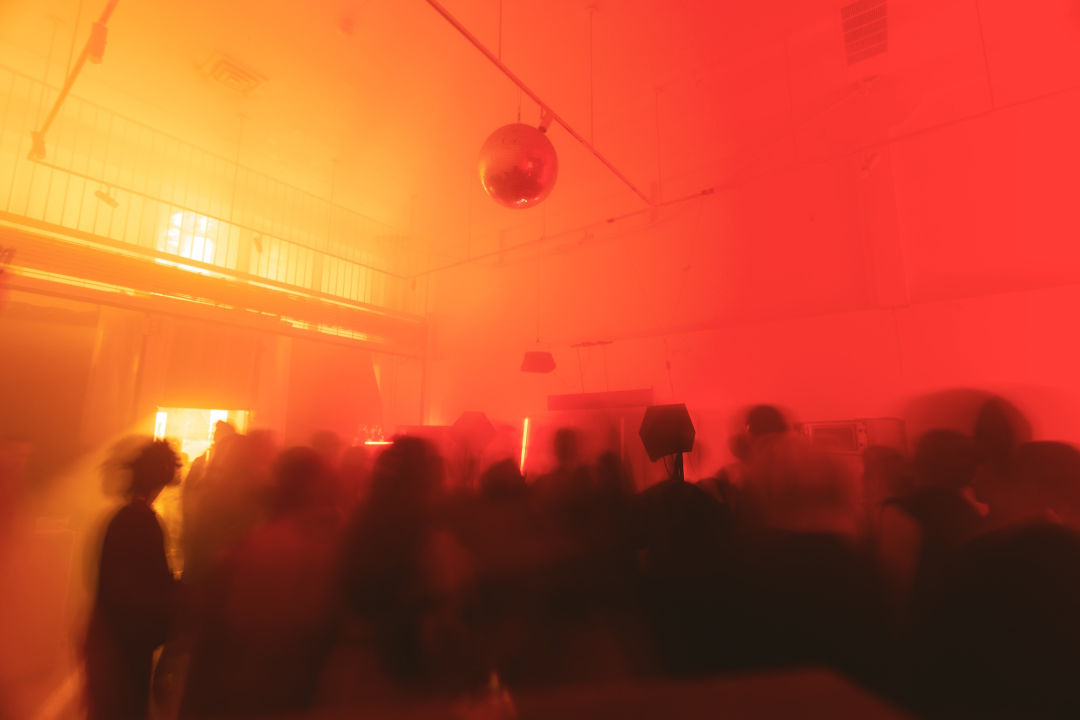
Image: Courtesy Barn Radio
Process, a club that opened in Southeast Portland in 2024 and hosts similar artists to Barn Radio, marks another step in the city’s expanding electronic music scene. While some trace the recent rise in late-night venues to online streaming DJ sets that spiked in popularity during the pandemic, such as Boiler Room, both local clubs transcend internet fads. They’re full of real people most nights, challenging the city’s reputation as early-to-bed and out of step with the global underground.
In fact, Portland is increasingly becoming a stop for artists from around the world. Among them is DJ Travella, a leading figure in singeli, the high-energy Tanzanian dance music that can surge between 200 and 300 beats per minute (Outkast’s “Hey Ya!” is about 160 BPM). The Museum of Modern Art’s experimental arm, MoMA PS1, sponsored DJ Travella’s visa, a process that can be daunting for touring artists from many African nations, and hosted him for a set in August 2025. He played only three other US venues on the trip, one of which was Barn Radio.
The club’s growing list of big names also includes Slauson Malone 1, the experimental artist born Jasper Marsalis, of the storied Marsalis jazz family, and Jay Versace, the Portland-based producer and DJ known for his work with SZA; Tyler, the Creator; and Doja Cat.
“When I’m at Barn, I could be in Lisbon or Berlin or Bushwick or Miami, but I’m in, you know, goddamn Portland,” says Gem Nwannem, a vinyl DJ and magazine distributor. They moved to Portland from New York City in 2023, and say it wasn’t easy to find similar clubs at home. While confessing they don’t make it to every show, Nwannem says, “I buy tickets to every single one ’cuz I need them to exist.”
Andrew Simon is the co-owner of magazine shop Chess Club, where Barn Radio cofounder Cole Mitchell Johnson has DJed.