Things to Do in Portland This Week
You’re reading Seeing Things, our regular column about the concerts, art shows, comedy sets, movies, readings, plays, and other events we’re attending. Sign up to receive it in your inbox each week.
theater Pride & Prejudice
Thru OCT 25 | PORTLAND CENTER STAGE, From $25
Playwright Kate Hamill is known for screwball stage adaptations of classics, including Sense & Sensibility and Vanity Fair. In this madcap riff on Jane Austen's most famous novel, the playwright zeroes in on the question of how anyone can know if they've met "the one." Marissa Wolf, artistic director of Portland Center Stage, helms the production.
Visual Art Bootsy Holler & Lucy Bohnsack
Thru Oct 31 | Blue Sky Gallery, free
Blue Sky Gallery’s main exhibitions consider what photography can be. Bootsy Holler’s Contaminated reexamines the Hanford Nuclear Site and the communities of people poisoned by radioactive fallout, including generations of Holler’s family. Lucy Bohnsack’s This Work They Call Love celebrates the resilience of mothers who have to make do by printing her images onto household materials like bandages, plastic bags, and scrap material.
Botany Treevia Night
7:30PM TUE, OCT 13 | Garden Party Food Carts, Free
North Williams Avenue cart pod Garden Party hosts one of the City of Portland's neighborhood tree steward for "a night filled with laughs, fun facts, and a shared love for trees." Questions might touch on Portland history and nature as well as trees in movies or on album covers.
COMEDY Lady Killers with Gwen Rose
7 PM WED, OCT. 14 | SHOW BAR, $13.62, 21+
Chicago-based comedian Gwen Rose headlines Lady Killers Comedy, a monthly show of all-female stand-up comedians at Revolution Hall's Show Bar.
FILM Outdoor School
7 PM WED, OCT 14 | Tomorrow Theater, $15
When Vin Shambry was a kid, his mom fled domestic violence with him and his younger sister. For a while, they slept under a tree at Irving Park. Then Shambry attended Outdoor School, the long-standing environmental education program that puts Portland sixth graders in the woods for a week. That experience is dramatized in Outdoor School, the debut feature film from writer-director Ime N. Etuk. A portion of the ticket sales benefits nonprofits Bradley Angle, which serves those affected by domestic violence, and p:ear, which provides mentorship to homeless youth.

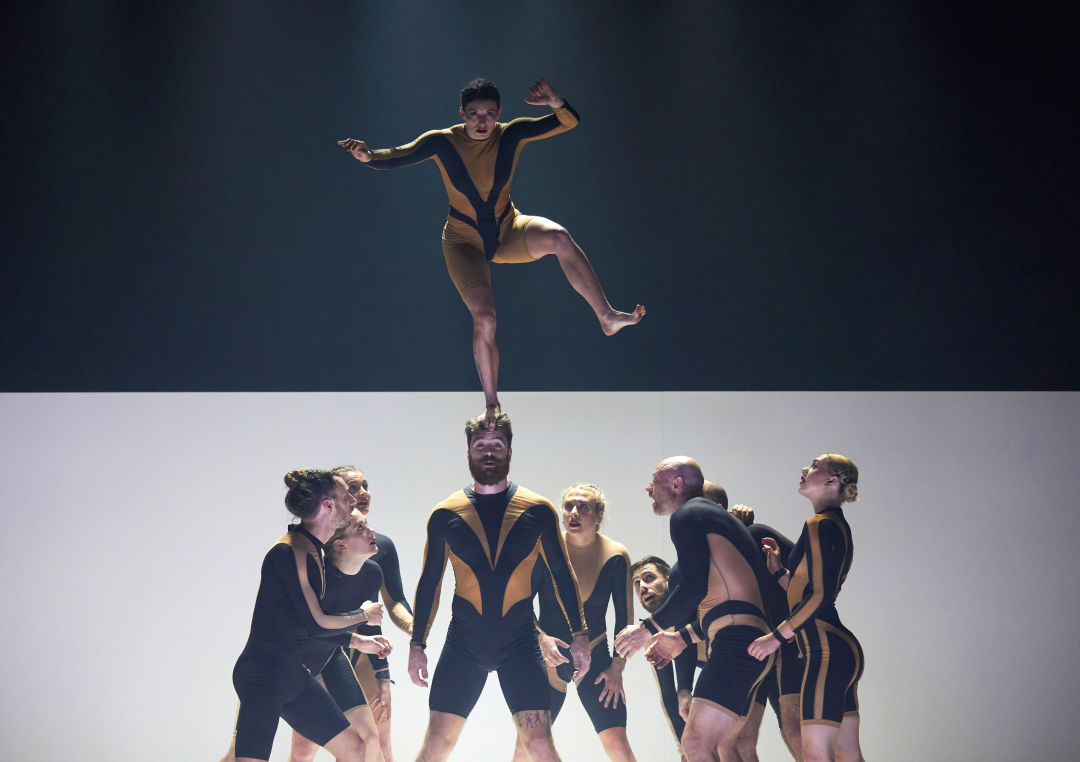
DANCE Circa
7:30PM WED, OCT 14 | ARLENE SCHNITZER CONCERT HALL, $5–130
theater Marigolds y Memorias
Various TIMES OCT 14–NOV 8 | MILAGRO THEATER, $28–32
Milagro Theater commemorates El Día de Muertos with this family-friendly walkthrough of different Day of the Dead symbols and customs.
THEATER Trans Femme
7:30PM THU–SAT, 3PM SUN, OCT 15–25 | FUSE THEATEr, $25 SUGGESTED DONATION (nO ONE TURNED AWAY FOR LACK OF FUNDS)
The latest production by local playwright Mikki Gillette takes its audiences back to a trans women’s support group set in the bygone days of 2011. Yes, that was 15 years ago, so either prepare for a massive throwback or (if you are too young to remember 2011) a timely, heart-filled history lesson.
Theater An Scéal: Samhain x Día De Muertos
4:30PM FRI, 12:30pm & SUN, OCT 16–18 | KILO D’COFI NE, $15–30
Kicking off its new season celebrating "Shared Senses," local Irish theater company Corrib blends El Día de Muertos with the spirit of the ancient Gaelic-Celt festival of Samhain in An Scéal to honor the dearly departed. (Saturday's show is already sold out.)
Ballet Swan Lake
7:30PM FRI, 2 & 7:30PM SAT, OCT 16 & 17 | KELLER AUDITORIUM, $39–188
Oregon Ballet Theatre brings a version of the classic ballet choreographed by former OBT artistic director Christopher Stowell, complete with its Tchaikovsky score and evil sorcerer.
Theater Saw: the Musical
VARIOUS TIMES OCT 16–NOV 8 | ALBERTA ABBEY, $34–176
The Saw horror movie franchise got ridiculous with a quickness, and Saw: The Musical embraces the farce of the Jigsaw Killer’s ludicrously elaborate, selectively moralistic murders. While there are 10 movies to riff on, this unauthorized parody mostly focuses on the iconic bathroom trap from the first movie.
Concert Sherbet Tone
4PM SAT, OCT 17 | TURN! TURN! TURN!, $12.16, FREE FOR AGES 12 AND UNDER
This local jam band sounds like it pulls from the past and future of indie rock for the warmest, sunniest tones possible. Fellow Portland rockers Babytooth join the bill for an all-ages afternoon show.
FILM The Lighthouse
7PM SAT, OCT 17 | CLINTON STREET THEATER, $10
Relive the grayscale tension between Willem Dafoe and Robert Pattinson in s 2019 Robert Eggers’ A24 film that sees two nineteenth-century lighthouse keepers face isolation, alcoholism and a few long dark nights of the soul.
Concert Doja Cat
7:30PM SAT, OCT 17 | MODA CENTER, from $40.90+
The pop provocateur tours her new album, Vie, bringing fellow rap sensation Latto with her to amp up the fun.
DRAG BOYeurism
8PM SAT, OCT 17 | ALBERTA ROSE THEATER, FROM $42+, 18+ (ages 18–20 must be accompanied)
The long-running queer quarterly cabaret returns for its Halloween edition. Among the spooky surprises in store is a rare reunion between local drag superstar Isaiah Esquire with BOYeurism’s original cofounder, Esequiel Esquire, who decamped to Texas more than a decade ago.
BOOKS Anthony Hudson
7PM MON, OCT 19 | POWELL'S CITY OF BOOKS, FREE
The local drag artist-turned-playwright discusses his debut book, Lamp Back: Plays and Other Grievances, with queer filmmaker (and Portland Monthly contributor) Thom Hilton.
Ongoing
visual art The Stars We Do Not See: Australian Indigenous Art
THRU JAN 3, 2027 | PORTLAND ART MUSEUM, $27.50
Melbourne's National Gallery of Victoria provided nearly 150 works for this special exhibition at PAM, which features pieces by Indigenous artists from across Australia, spanning from the late nineteenth century to the present. The work spans genres, too—ochre bark paintings, sound installations, photography, weavings, and more.