The Wet: Brian Doyle’s Rain Journal

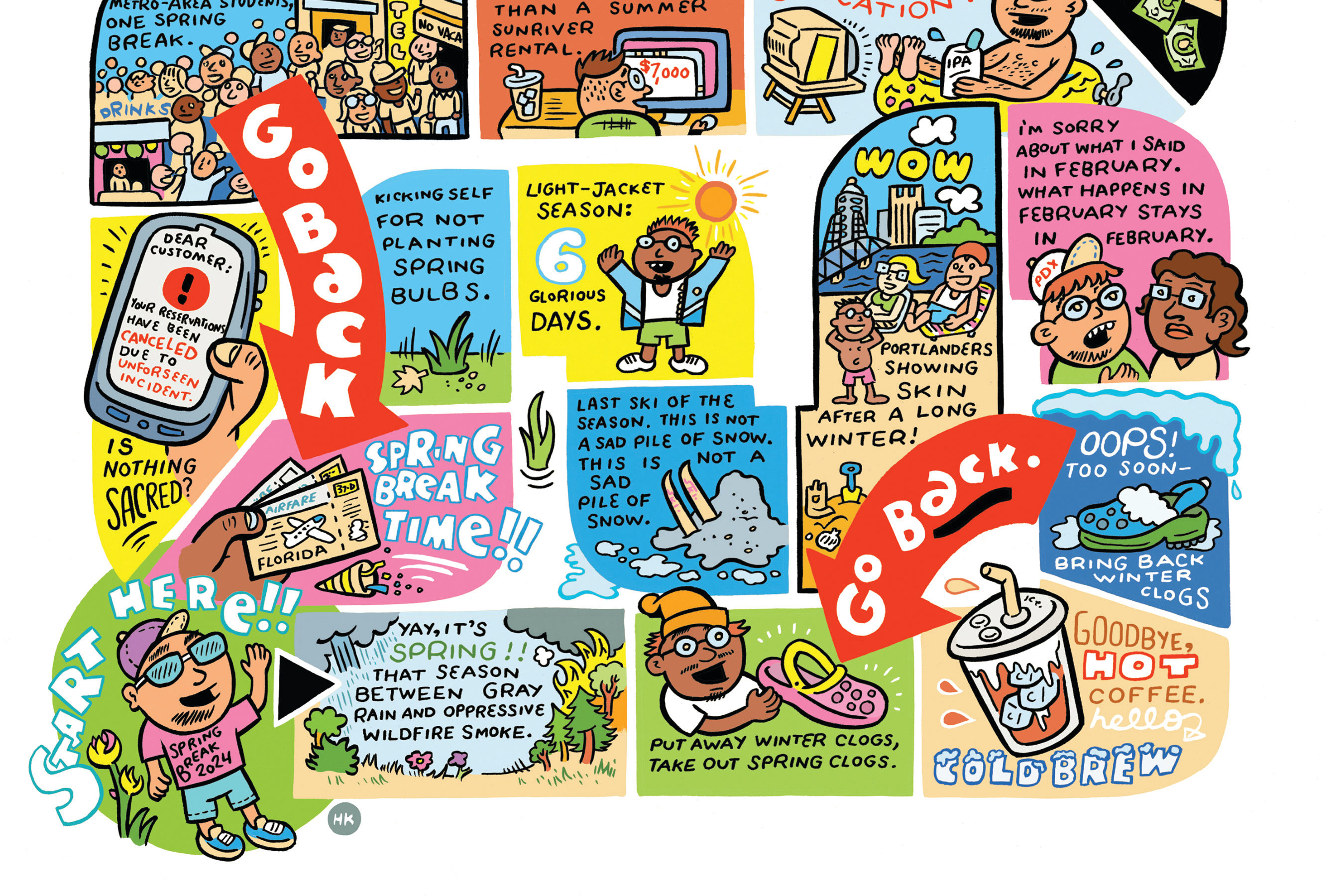
Image: Portland Monthly composite
Brian Doyle, the beloved Oregon essayist, author, and longtime editor of Portland Magazine who died in 2017, did not much care for the rain. In the spring of 2007, Doyle gave this magazine a collection of clippings from his rain journal. To get through these last few months of The Wet, as he called it, we’re revisiting his beautiful and belligerent rants.
NOVEMBER 1, 2006. Paging through five years’ worth of scribbled notes in my rain journal, I see that this is traditionally the day when The Rains begin in Portland. No rain this morning, though, and I set off to work lighthearted, savoring the crisp, brilliant, sideways light of fall: You know, how on a crystal autumn morning everything seems lit up from within, the air sharp as glass, everyone grinning at the startling poem of it all? Then it begins to rain and by the middle of the afternoon it’s still raining, and I go for a walk and my shoes get soaked and for the life of me I can’t find my umbrella, and I realize with a sinking feeling that The Wet is upon me, moist and insistent.
DECEMBER 2002. It has rained for 47 days and nights. I squelch to work. I wear hats. I can’t find my umbrella. One poor little town west of the city gets 14 inches of rain in a single day. I meet a guy who tells me he stopped in that town a few days after the deluge and asked a resident what it was like that day. He thought for a moment and then said, biblical. It was raining so hard, he said, that people couldn’t get out of their cars; he heard that one guy was in his cabin when it slid into the creek and became a houseboat; and he heard that one guy got stuck in his car with his kids, and the only game they could find in the car was Risk, and they played all day and the guy still shudders at the word “Kamchatka.” He heard that so many people were stuck in the town pub that it had the greatest sales day in its history, which is remarkable because it is a pretty old pub and used to be awash in loggers who drank like sailors and poets.
DECEMBER 2005. I get a note from a friend in Australia who says it’s been so hot and sunny there for the last two months it’s become onerous. It’s too dry, he writes. If only it would rain a little here and there … I lie down and moan for a while.
JANUARY 2001. As I am moaning about the rains a friend of mine actually says, But the rain is our friend, it’s what makes everything so green and lush, and there are so many places in the world that don’t have enough rain; we are really so very lucky. As he is talking, I find myself thinking that he’s not a very big guy, that if I move quickly and fold him properly I can stuff him into a cardboard box and take him to the post office and send him to Bahrain.
JANUARY 2003. I read an article in the newspaper about how the snowpack on Mount Hood isn’t what it should be and the reservoir levels at Bull Run aren’t what they should be. I check in my journal and see that it has rained just about every day since All Souls’ Day, and I sit down and write a letter to the editor of the newspaper saying a real newspaper would do a real investigation about the real problem here, which is clearly that there’s a hole in the bottom of Bull Run.
JANUARY 2007. It snows five inches and of course Portland shuts down—and kids are thrilled and commuters are horrified. But hey, it stops raining for a week.
FEBRUARY 2002. The February thaw! The legendary February thaw! The rains cease and the temperature rises and the roses bloom and Mount Hood reappears! And people emerge from their mossy houses like moles emerging from lawns as sodden as the seas from which we all emerged mewling a long time ago! Walking down my street, I actually see a guy shuffle out and kneel and face the sun and start to chant.
FEBRUARY 2004. I go to an event at the Japanese Garden in Washington Park at night, and it’s raining so hard and thoroughly that I get completely lost in the garden and wander around getting soaked for 40 minutes, finally accidentally stumbling upon the tiny, brightly lit building where the event is being held. As I stagger sloshing into the event, the young woman at the door taking money for admission says to me sweetly, Is it raining? I have to step back outside and make barking noises.
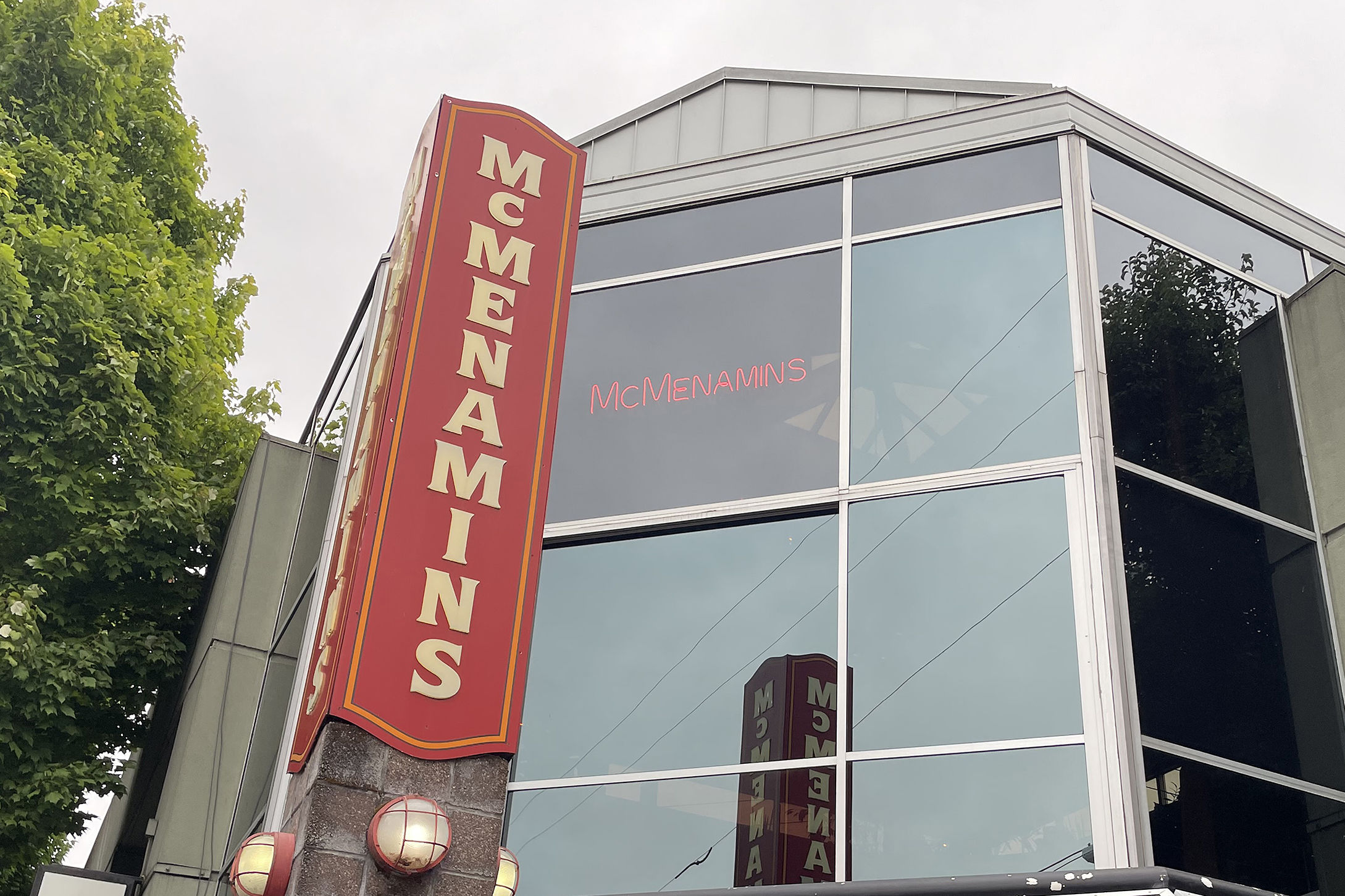
MARCH 2006. I make a plan to visit every single McMenamins pub in Portland, one after another, as a sort of via dolorosa, until the rains cease. Also one night as I am bathing my twin sons, I notice that one of them looks greener than usual and that the other appears to have developed webbed toes. I start to tell this to my wife in worried tones, but then I remember that she is a Portland native and thinks the sun is a satanic device from which all sensible people should defend themselves with the turnips and rakes and obscure forms of poetry like sestinas.
APRIL 2006. Still raining. I write to the McMenamin brothers excoriating them for not developing enough pubs in the greater Portland area—and could they possibly get off their beer-soaked duffs and reclaim some more poor farms and adult movie theaters and grad schools? It’s not like there is any shortage of dreary, tired industrial sites that could very easily and cheerfully be developed into excellent pubs. Have they lost their mojo or what?
MAY 2006. Still raining, although one afternoon the rains stop suddenly and the sun comes out roaring and I see a young man, who looks eerily like Erik Sten with the toothy grin and everything, run by me stark raving naked, shouting and windmilling his arms—which is something you hardly ever see unless you are on Sauvie Island or watching a movie about the Summer of Love.
JUNE 2006. The Rose Festival. As usual it pours right through the festival week, rain sluicing down over all the lawn chairs padlocked to parking meters, over the Royal Rosarians, over the Queen, rain falling endlessly over the baton-twirlers and the grinning policemen and the poets writing sestinas and the people from out of state who think we have all gone barking mad in the rain—which could well be. By the end of June, the rains have apparently ceased, and I start laughing uncontrollably and have to join the Lutherans for a while to calm down. I spend the rest of the summer sending rude postcards to the McMenamin brothers and writing sestinas and dreaming about turnips.
This version of the original story has been edited and condensed.