Three Local Women Share Life-Saving Lessons About No. 1 Health Threat

Cardiovascular disease is the leading cause of death for women, and it’s impacting lives right here in Oregon and southwest Washington. Three local survivors, Holly Tucci, Tia B. Coachman, and Tam Driscoll, faced life-threatening heart and stroke emergencies. Their quick action and trust in their instincts saved their lives. Now, as part of the American Heart Association’s inaugural 2026 Go Red for Women Class of Survivors, they’re sharing their stories to help other women recognize the signs and seek help before it’s too late.
The Life-Saving Power of Sharing
Their experiences underscore a critical truth: heart disease doesn’t discriminate. Cardiovascular disease can strike anyone, at any age. Nearly 45% of women over 20 live with some form of heart disease, yet many don’t recognize the symptoms or delay seeking care. Too many women are navigating health challenges without the information, support, or resources they deserve. This first cohort of local survivors aims to elevate women’s lived experiences as a catalyst for awareness, understanding, and collective action.
Living With a Heart Condition
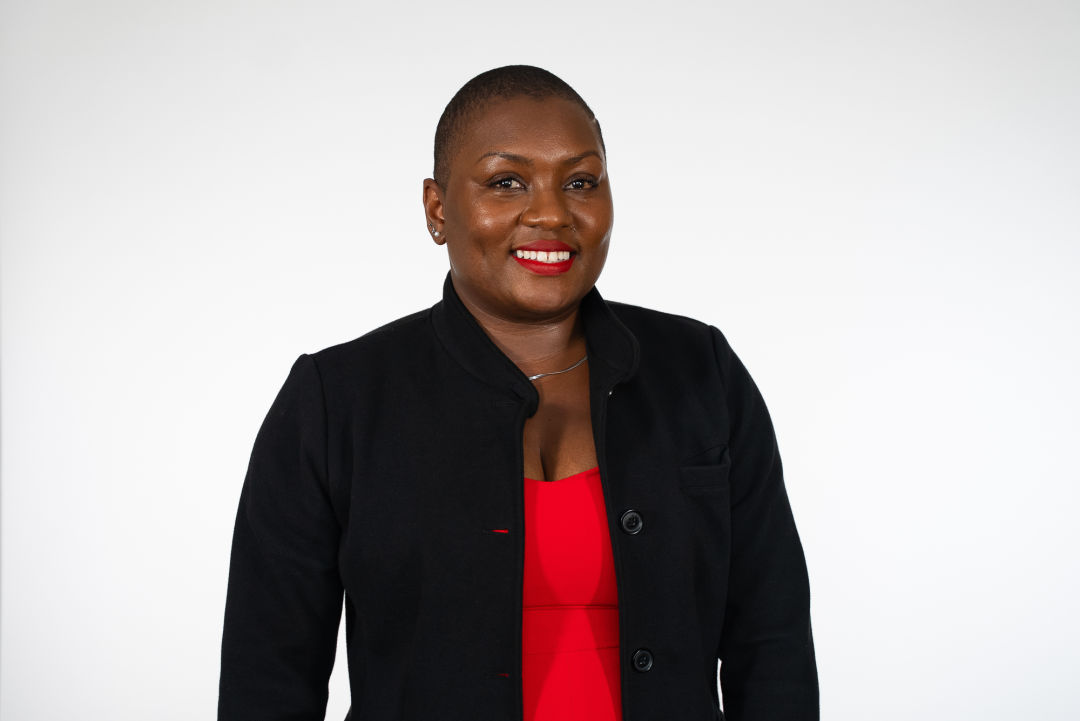
Tia B. Coachman was a 20-year-old college senior when she first felt her heart pound like she was running a marathon, even though she wasn’t moving. At first, she brushed it off. Graduation was approaching, and she didn’t have a job yet. The episodes were brief, and she was busy.
But then they became more frequent and lasted longer. Sometimes she felt chest pain, and her body shook uncontrollably. One spring day, it got so bad that she finally went to the ER. Tests revealed she was born with an extra pathway that made her heart beat too fast (supraventricular tachycardia or SVT). Without treatment, doctors warned, she could have a heart attack.
“No one in my family had heart disease,” Tia said. “I turned to the American Heart Association for information and support.”
After learning stress was a major trigger, Tia reshaped her life. She said no more often, prioritized joy, and made intentional choices to protect her heart. She later had surgery and adopted lifestyle changes that helped her thrive. Twenty years after her diagnosis, she runs her own HR business in Portland, where she has more control over stress.
Doing All the Right Things — and Still Facing a Stroke
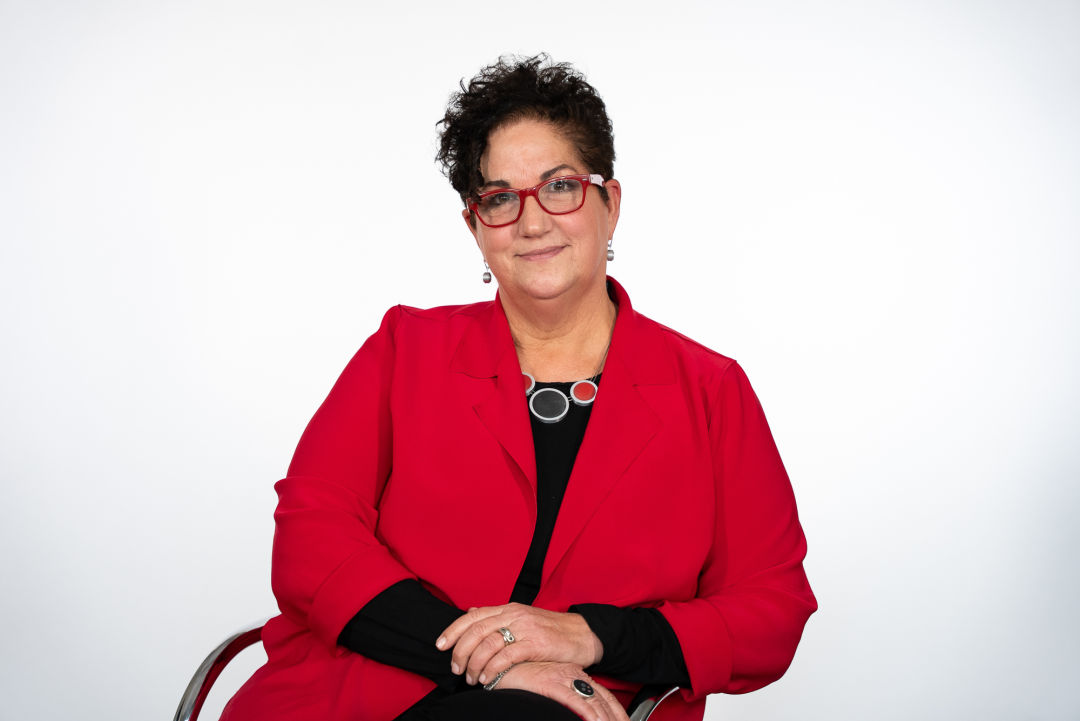
While Tia’s journey began in college, Tam Driscoll’s story shows that even women who do everything right can still face unexpected health crises.
Tam was in her Gresham office after a big presentation when she suddenly couldn’t focus on her computer. At first, her mind felt fuzzy, as if she were drunk. Then one of her earbuds fell, and as she tried to pick it up, she realized she couldn’t feel the left side of her body. When her face drooped, she immediately recognized the signs of a stroke.
Luckily, her co-workers were nearby, and the fire station was across the street. She shouted, “I’m having a stroke!” and they sprang into action.
Eight minutes after receiving a clot-busting medication, Tam felt her face lift and she could move her left arm again. She was rushed into surgery where doctors removed a large clot via a procedure called a thrombectomy. This restored oxygen to her brain, minimizing damage. Two days later, she went home with no additional assistance needed. Two weeks after that, she was well enough to take a long-planned trip to Belize.
Tam’s excellent recovery didn’t happen by chance. “Brain cell damage can start happening within minutes, so every minute counts,” said Amit Kansara, MD, Providence Enterprise TeleNeurology medical director and American Heart Association volunteer board member. “Without blood supply, every minute 1.9 million brain cells can die. Be aware of your symptoms and call 9-1-1 immediately. Don’t wait and hope you’ll get better.”
Women are more likely than men to have a stroke, and one in five women will experience one. Tam had a stroke despite doing all the right things: exercising regularly, eating well, avoiding smoking, and rarely drinking alcohol.
Setting a New Pace for Life
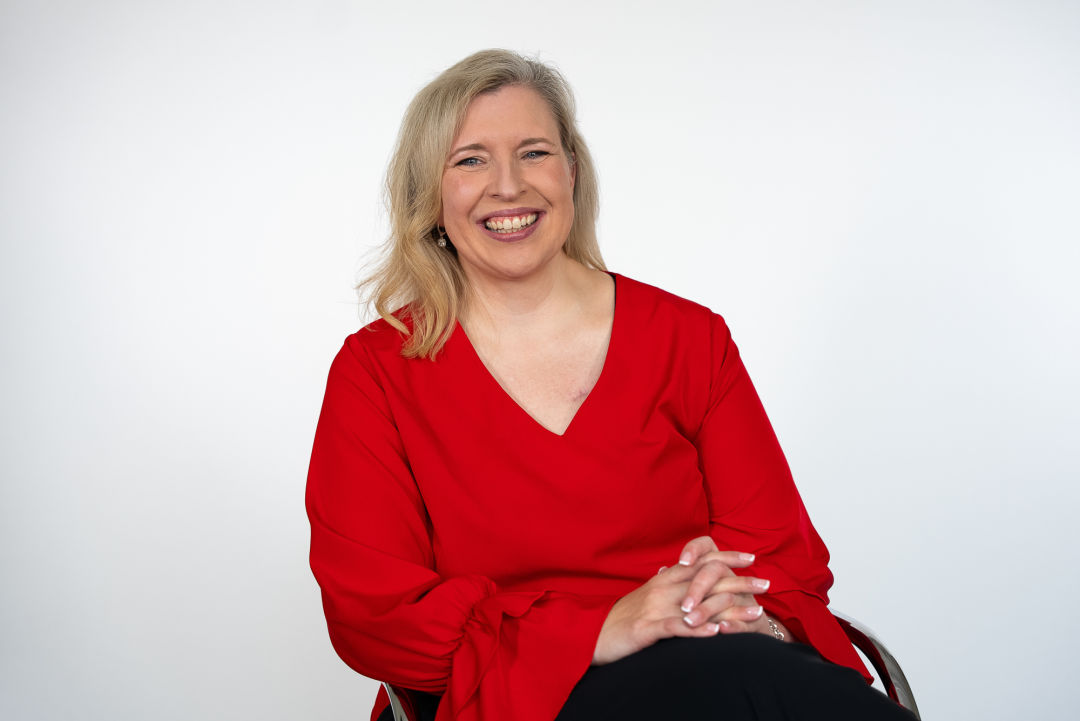
Holly Tucci was born with total heart block, a problem with the electrical signals that makes her heart rate very low. It’s a condition her younger son shares. When she was nine years old, Holly wrote a letter to her cardiologist. She told them she was tired of being tired. Soon after, Holly received her first pacemaker. The device allowed her to live an active life, from dancing and swimming to rowing on her university team.
“It’s been a true lifesaver,” she said. “There’s not a day that goes by that I’m not thanking the person who created the pacemaker for allowing me to live the life I’m living now.”
Managing a pacemaker requires close monitoring and periodic surgeries. Holly has had 12 heart-related procedures over the years. Before her latest round of four surgeries in 2025, fatigue returned. At first, she blamed stress — moving homes, a son graduating college, and advocacy work in Washington, D.C., for the HEARTS Act. But then her doctor called: her pacemaker was recording irregular heartbeats.
After a year of intense treatment, Holly feels much better. She now shares her experience as part of the region’s first Go Red for Women Class of Survivors, joining Tia and Tam to amplify women’s voices and raise awareness of cardiovascular disease. Together, they aim to create deeper connections in Oregon and southwest Washington, saving lives one story at a time.
Managing Risks and Taking Action
These women’s experiences highlight why awareness matters. Nearly half of women age 20 and older live with some form of cardiovascular disease, yet too many remain underinformed, underdiagnosed, and undertreated. The American Heart Association’s Go Red for Women movement, launched more than two decades ago, seeks to change these statistics by shining a light on women’s real-world experiences, increasing public understanding, and advancing research into women’s heart and brain health.
“Women have learned to push through things because we are tough and strong,” said Abigail Khan, MD, M.S.C.E., Oregon Health & Science University associate chief of clinical cardiology and American Heart Association volunteer board member. “But if you start to have symptoms, don’t push through. Get evaluated.”
Risk increases during key life stages, such as pregnancy and menopause. While some factors — age, gender, family history — are beyond your control, knowing them helps you make informed decisions. Lifestyle changes can make a big difference, especially if you start young.
Dr. Khan recommends at least 30 minutes of exercise five times a week. Start small and build up. Sitting all day is also a risk factor, so move more throughout the day, not just during workouts.
Join the Movement
Heart disease and stroke don’t wait, and neither should you. These local survivors prove that acting quickly and knowing the signs can save lives. Share their stories, learn the symptoms, and join the movement to protect the women you love. Together, we can change the statistics and create a healthier future for our community.
The Go Red for Women movement is building a community of survivors and advocates in Oregon and southwest Washington. Learn more and get involved at goredforwomen.org.
About Go Red for Women®
The American Heart Association’s signature initiative, Go Red for Women®, is a comprehensive platform designed to increase women’s heart health awareness and serve as a catalyst for change to improve the lives of women globally. While the majority of cardiac events can be prevented, cardiovascular disease is the leading cause of death in women, claiming the lives of 1 in 3 women. For more than two decades, Go Red for Women has encouraged awareness. The movement harnesses the energy, passion, and power of women to band together and collectively wipe out heart disease. It challenges them to know their risk for heart disease and take action to reduce their personal risk. It also gives them the tools they need to lead a heart-healthy life. The Go Red for Women movement is nationally sponsored by CVS Health, with additional support from national cause supporters. For more information, please visit GoRedforWomen.org or call 1-800-AHA-USA1 (242-8721).