Beaverton Restaurants and Food Carts Worth the Slog Down 26

Image: Thomas Teal
Try to draw a map of Beaverton from memory. Now, go look at an actual map. The official boundaries of Portland’s western suburb resemble a Lovecraftian cryptid, tentacles stretching north with jigsaw pieces cut from its sides, representing the communities swallowed into unincorporated Washington County’s maw—twin neighborhoods Cedar Hills and Cedar Mill, for instance, or Portland’s West Slope. Beaverton’s culinary tendrils stretch just as far, hidden among the busy highways, shopping centers, and strip malls. The city’s Korean food scene surpasses any neighborhood in Portland’s, and exceptional Indian standbys simmer and sizzle within South Asian markets. Long established delis, carts, and cafés supply families with midweek takeout, while newer, up-and-coming entrants toss lobster spaghetti and pour Mendoza malbec for Friday-night dates. Over months of meals, covering countless cuisines, we unearthed the finest OGs, newbies, and everything in between. (We play it a little fast and loose with the boundaries here—sue us.)
Apna Chat Bhavan
Five Oaks
You have to move quickly at this fast-casual restaurant inside the Indian grocery Apna Bazaar. The line can grow long, but get lost ogling the glossy dessert case and you’ll hear “Next, please” soon enough. The food is similarly fast-paced. Larger biryani, curries, and dals fill out the menu, but you come for chaat. This family of snacky street foods is thought to have originated in market stalls in Uttar Pradesh, in northern India, and prioritizes the momentary bliss of mixing crispy breads and fritters with saucy ingredients—which means you eat fast, too. Though Apna Chat Bhavan is often the only light glowing in an otherwise dim business park, the sheer number of people drives the energy, turning the suburban grocery store into a bustling rendezvous. Several chaat on the menu dress puri—the crunchy, ballooned wheat bread that becomes panipuri when filled—in dals and sauces. Raj kachori has them crumbled with lentils and yogurt; bhel puri stirs them into a savory chickpea and tamarind chutney and zags them with another made with fresh cilantro before a sprinkling of puffed rice. Puris are great, but dosas, the tire-size crepes you’ll see cooks peel off the grill in the open kitchen, are the star. They arrive wrapped around various meat, cheese, and vegetable fillings, but savoring an unencumbered dosa, crisp and whimsically holding its rolled shape like some flouncy couture, lets the pleasantly toothsome fermented white lentils and delicate masala spice shine. Park your cafeteria tray at one of the undecorated tables, tear off pieces of dosa, and swipe them through a green chutney; you’ll soon blend into the crowds of families who have been regulars for two decades. —Matthew Trueherz
Coredam
Central Beaverton
If you’ve heard of Coredam, you’ve probably heard about the yangnyeom gejang, a spicy dish of marinated raw crab. Preceded by a set of plastic gloves, a pile of Korean blue crabs land on the table glistening with a thick coat of gochugaru paste. Once they’re cracked, you squeeze the sweet, briny meat and scrape it from the shells with your teeth like artichoke leaves. This follows the impressive banchan—they change, but a recent spread of 11 included the lacey potato dish gamja bokkeum and silken mung bean jellies—and, if you ordered right, comes just before the seolleongtang (ox bone soup). The preposterously tasty clear broth simmers in a stone pot with petite bowls of green onion and a special salt, which you macerate together before adding to the broth. That’s plenty for two, but if you brought six or eight of your closest friends, you would be in good company. Grandparents and babies in strollers surround the restaurant’s tables, a telltale sign that a place is nailing the classics. Which is impressive, considering Coredam opened in 2023. With a bigger crew, opt for the (even) larger dishes that come to the table with a gas burner, like hot stone bibimbap or the Spam-and-kimchi-loaded budae jeongol (“army stew”). Watch the latter’s raft of instant ramen noodles wilt as it simmers and hope somebody’s grandpa nods approvingly. —MT

Image: Thomas Teal
Don’s Favorite Foods
Central Beaverton
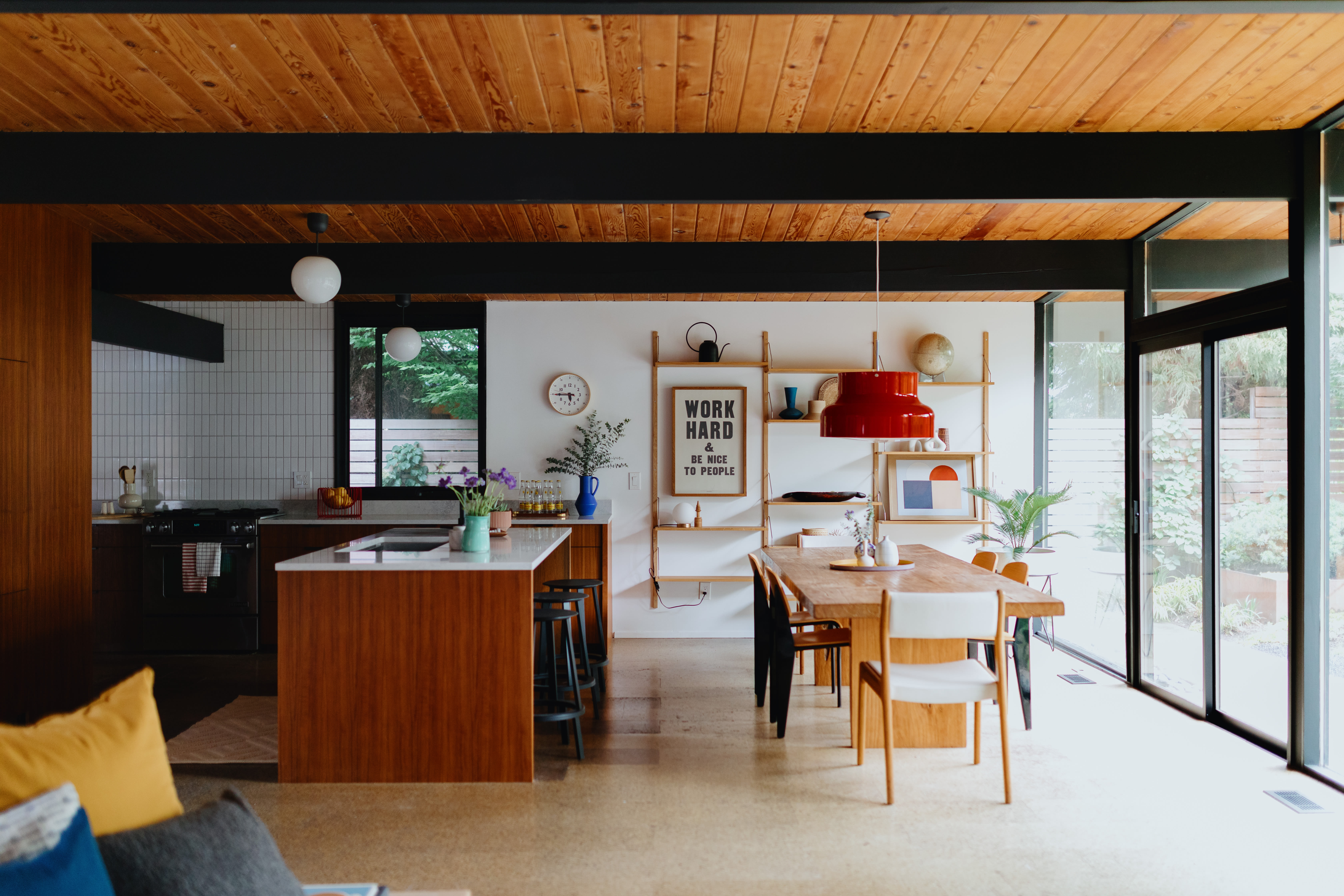
With a white-and-black checkered floor and wood-paneled walls, the tiny, intimate dining room of Don’s Favorite Foods mimics a 1970s New Jersey trattoria. Chef Don Salamone brings most dishes to the table himself, dropping off courses on mismatched dinnerware with an efficient, cordial description. The prix fixe Italian American menus change monthly, but without the oft-touted concern over seasonality. Which isn’t to say Salamone doesn’t incorporate peak produce when it’s warranted. Spring still sneaks into recent menus with dishes like asparagus minestrone, spring onion rigatoni, morel spaghetti, and slow-braised lamb braciole. And for dessert, Italian crepes, with zingy rhubarb livening up the vanilla custard, a fitting way to say goodbye to winter. Salamone’s years working for Gordon Ramsay are on full display here, exuding an elegance and minimalism on the plate. But make no mistake: you’re eating nonna food, served in a fittingly retro locale. —Alex Frane & Krista Garcia
El Jefe
Vose (additional locations in Tigard and Hillsboro)
In the parking lot of a Vose neighborhood strip mall, the first thing you smell is the grill. It’s a large, cast-iron number, sizzling as spiced schmaltz hits the smoking coals below the grate, signaling the main attraction at this food cart: grilled chicken marinated in garlic, citrus, and chiles. Don’t be skeptical based on its simplicity—this is exceptional poultry, golden from the rub and flame. They’re spatchcocked and slow-grilled whole for an even cook, reliant on mesquite for its almost currant-sweet smokiness. Its accompaniments are similarly dialed in: marigold-orange rice with a persistent note of chiles, brothy beans echoing the smoke of the chicken, dancing with the oregano-like notes of epazote; stuff them all in one of the corn tortillas on the side, warm and pliable even after a lengthy drive home. An impressive roster of salsas complements the birds, including a lovely, cool avocado and an incendiary habanero. Quesabirria, lengua tacos, and fat, Mission-style burritos play supporting roles—nice for a change of pace, but you’re here for the chicken. Visitors to El Jefe’s Tigard-based restaurant benefit from a full-blown salsa bar, but considering roadside stands hawk these char-blistered birds in Mexico, buying them from a cart may feel truer to form. —Brooke Jackson-Glidden
Eleni's Kitchen
Central Beaverton
A project of Eleni Woldeyes, who also crafts her own line of Ethiopian simmer sauces and spice blends, Eleni’s Kitchen has grown from a beloved Beaverton Farmers Market staple into a tiny takeout spot in a converted house downtown. It’s easy to spot, thanks to its bright orange door and matching patio umbrellas. Its limited hours (Fridays and Saturdays after 4pm) cater to locals looking for an easy evening meal, and it doesn’t hurt that Eleni’s is walking distance to the First Street Dining Commons, an outdoor community space. The walk-up window’s menu—meat on the left, vegetarian on the right—reflects Ethiopian cuisine’s superpower in satisfying all kinds of eater. Standouts include doro wot, a chicken stew crimson with berbere and enriched with niter kibbeh, spice-infused clarified butter, and tangy ayeb cheese, served alongside cabbage and collard greens, as well as spicier stir-fried tibs with a choice of lamb or beef, the more traditional option. The veggie sampler offers a generous spread of colorful scoops featuring lentils, split peas, cabbage, collards, and beets, plunked atop a soft, spongy injera palette. Some combos already come with a sambusa, but it’s worth ordering a few extra golden pastries (filled with ground beef, lentils, or savory greens) for the road. —KG
1st Street Pocha
Central Beaverton
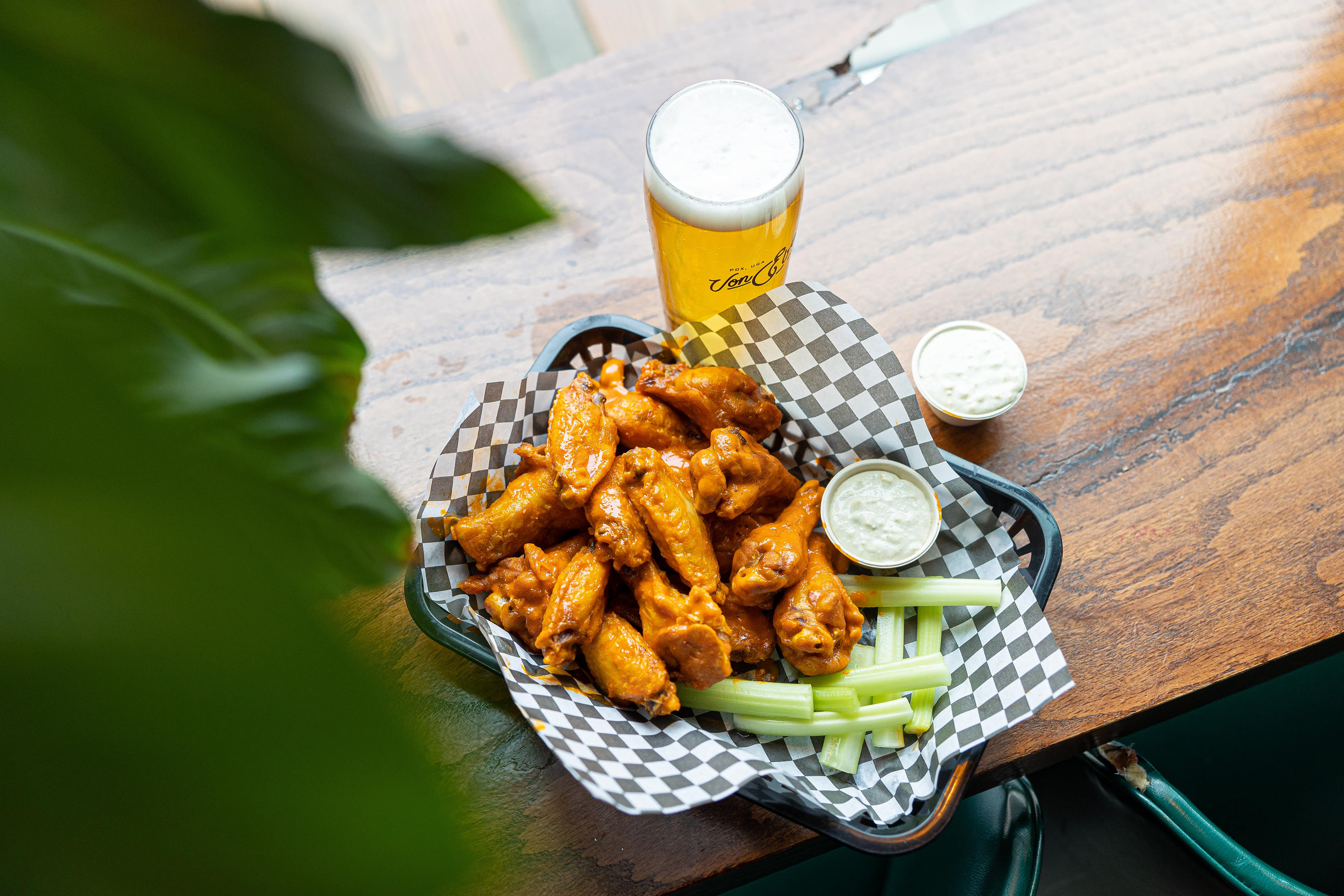
In a town with limited late-night action, 1st Street Pocha is thumping at 11pm, soju glasses clinking, Hite cans hissing, and gochujang fried chicken crunching as K-pop blares in the background. In South Korea, a “pocha,” short for pojangmacha, refers to a type of outdoor dining stall at which one knocks back beers and soju shots with a parade of drinking snacks. In warmer months, the crowd at 1st Street spills onto picnic tables on the closed off block. But more often, Beaverton’s pocha is a neon-lit, indoor affair. As with any drinking cuisine, fried stuff and cheesy things make up the greatest hits. Most tables, whether surrounded by rowdy 20-somethings or exhausted downtown workers, await paper-lined baskets of lacquered fried chicken and mozzarella-stuffed corn dogs with a snowy dusting of powdered sugar. The fried chicken is the ultimate draw: The crackly crust of rice flour and cornstarch creates a sauce-proof shield, keeping the chicken moist and retaining its crunch, even when drenched in a sticky soy-garlic or gochujang glaze. Most visit 1st Street for Korean bar food, but anything stir-fried with that sweet-spicy-savory gochujang sauce—bulgogi, noodles, gizzards—is worth a detour. —BJG
Ganesh
Triple Creek
Yes, that is a Muzak version of Adele’s “Someone Like You” playing. And the banquet chairs, soda fountain, and row of chafing dishes are glowing under the fluorescents just as you remember. All evidence that, though the long-standing Indian buffet Abhiruchi rebranded as Ganesh in 2023, its charms endure. The literal buffet is a lunch thing these days. But the regular menu is extensive, and with a prix fixe thali option for most entrées, any plate you order will fill your table with a personal buffet of naan, raita, curries, and dals. Minding the quirks of suburban convenience, the food here has never been a sad affair crusting under heat lamps. Tender garlic naan and Pringle-crisp papadum set the tone for a well-crafted meal, despite the hugely comprehensive spread covering both northern and southern India. Several Punjabi dishes account for the northern influence, saag paneer to tandoor-roasted whole and half chickens that wear a zippy orange crust, and a range of dosas preface the southern focus. The crispy legume crepes come variously stuffed or on their own with the warm lentil and tamarind dip sambar. Goan vindaloo, masalas, and creamy kurmas (made with coconut milk instead of the northern yogurt version, korma) stretch the geography farther. But the biryani is the thing to order if you’re after the opulence of a vintage buffet. I go for the gracefully executed goat iteration, piled with basmati rice in a chrome bowl and ringed with various chutneys and dals. Dip that papadum in them all as you try to figure out if that’s an REO Speedwagon melody you’re clocking. —MT

Image: Thomas Teal
Hapa Pizza
Central Beaverton
It would be easy to write off Hapa Pizza as a novelty. Owner Aaron Truong tops Neapolitan-ish pies with the components of banh mi, pho, and Thai red curry—originally a way to share the dishes of his childhood with his pizza-loving wife and business partner, Natalie Truong. But the culinary crossovers go far beyond slap-dash “fusion,” earning Hapa a spot on The New York Times’ list of the country’s best pizzerias. Take the pho pie: Concentrated like a luscious demi-glace, pho broth becomes sauce for a pie topped with mozzarella, braised brisket, and customary pho accoutrements like Thai basil, jalapeño, and bean sprouts, akin to a handful of torn basil or fresh arugula on a wood-fired margherita. Or the banh mi pie, with lemongrass-marinated pork providing the savory counterbalance to house-pickled daikon and carrots, not unlike sausage and peppers. The pizzas work because the pizzaiolo avoids overloading them, letting the soft, lightly chewy crust shine. The dough proofs for 24 hours before it lands in a wood-fired, brick oven, giving the crust the lightest freckling of char. Troung’s balance of discipline and giddy creativity shows in his inventive, unambiguously tasty pizza—not a novelty, but certainly novel. —BJG

Image: thomas teal
Himalayan Dumplings by Kyikyi
Five Oaks
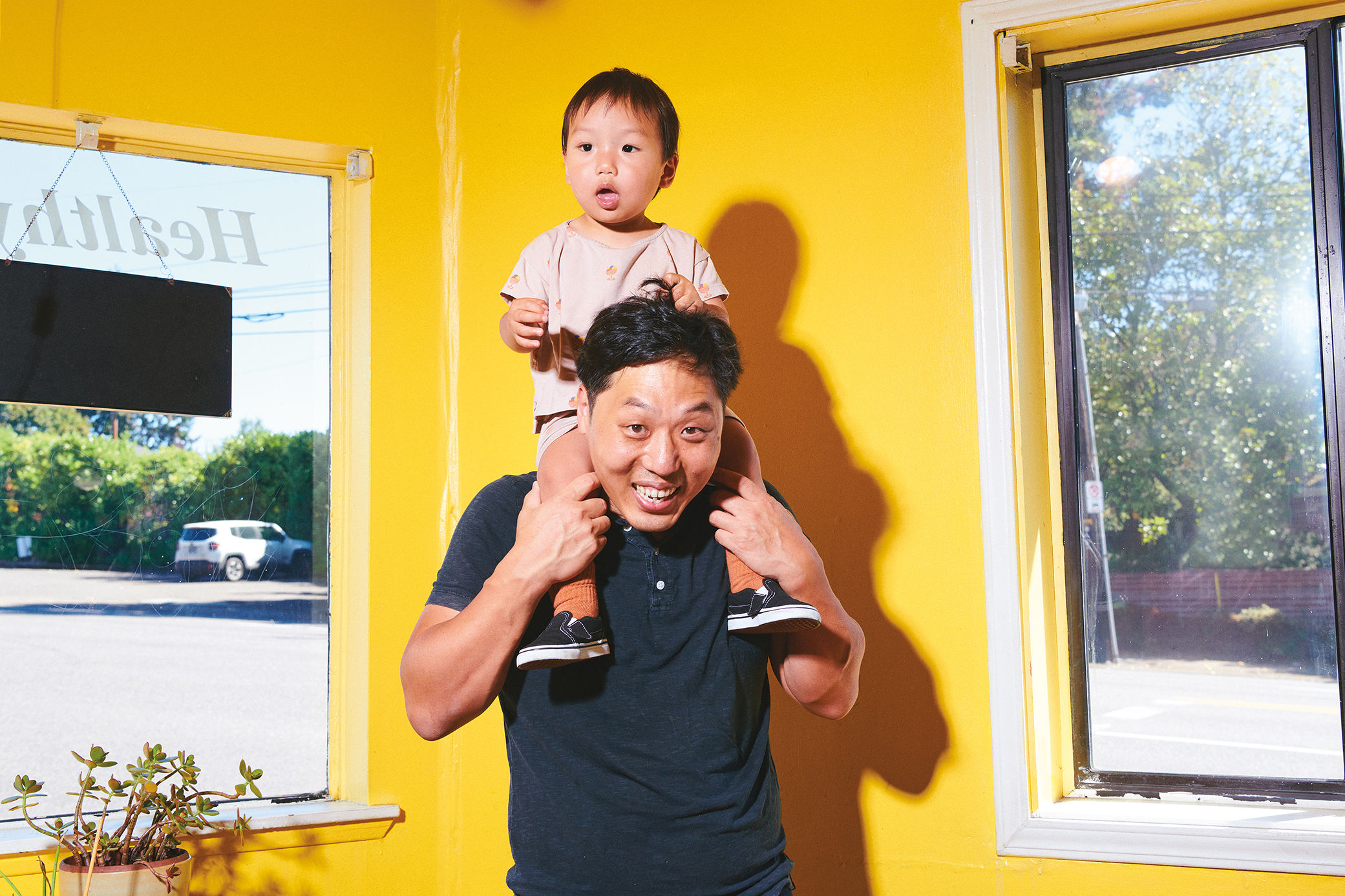
Tenzin Yeshi, known by her nickname Kyikyi, started making Tibetan dumplings as a passion project, rolling a half million of them by hand in a Beaverton commissary kitchen. A Tibetan refugee, Kyikyi grew up in Nepal and India before immigrating to the United States; she wanted to share her culture and cuisine with her new home, so she left her lucrative corporate career to steam momos at Beaverton farmers markets and festivals. Today, you can visit her at Himalayan Dumplings by Kyikyi, a cheery yellow dining room in an unassuming strip mall, where she’s often spotted chatting with customers at the counter. Diners hunch over yellow metal tables to devour plump, doughy parcels stuffed with shiitakes and cabbage, chicken, or beef. Every dumpling relies on a fragrant blend of cumin, coriander, garlic, and cilantro, proportions shifting to best complement the protein in the mix. The momos arrive lounging in a bright and tangy tomato-cilantro sauce, with an optional yerma chile garlic sauce on the side for heat seekers. Those with larger appetites can add chewy chow mein noodles topped with seared chicken, or stock up on bags of her frozen dumplings from the restaurant’s cold case. —AF

Image: thomas teal
Khamdee
Central Beaverton
Khao soi, the glittering gold curry soup with an egg noodle crown, is the new prince of Thai food in Portland. It’s everywhere. The best version I’ve had is at Khamdee, next to the TJ’s in the back of the Beaverton Town Square shopping center. Though the generically slick dining room and the laminated menu’s scrupulous infographics give a vaguely corporate first impression, when noshing meticulously braised beef and beautifully sour pickled mustard greens you’ll realize those itemized charts are a point of pride: God is in the details. There are no soggy noodles, sad herbs, or stale fried garnishes here. The resulting dynamism turns those other khao sois into a muddled and one-note memory. Khao soi is from northern Thailand, which is where Khamdee sources most of its family heirloom recipes (save a few from the general American Thai lexicon). But the true standout is from down south in Bangkok: a velvety, pig-blood-enriched boat noodle soup. Khamdee makes it with wide, sticky, and remarkably resilient sweet potato starch noodles, which sit in the warm-spiced broth under sliced pork, snappy meatballs, and crunchy Chinese broccoli, all harmonizing while making their own impressions. —MT
Kubo
Bethany
Despite ube’s near-viral rise—its deep violet hue popping up in everything from lattes to doughnuts—Filipino cuisine still feels underrepresented. Kubo, in a modern Bethany strip mall, helps close that gap. The place is small, with just two tables, but it sidesteps the “hole-in-the-wall” label thanks to warm, intentional touches: rough-hewn wood paneling, black-and-white family photos, and framed snapshots of menu favorites. Kubo draws both homesick Filipinos looking for a fix and curious newbies, with friendly staff guiding first-timers through a lineup of classics. Pancit palabok arrives richly dressed in savory shrimp sauce, topped with pork cracklings, fried garlic, and slices of hard-boiled egg, while the sisig, served sizzling on a cow-shaped cast-iron plate, delivers an irresistible mix of pork belly, liver, and other tasty bits, crowned with a runny-yolked fried egg. Don’t be surprised to see diners leaving with oversize cups of halo-halo, packed with crushed ice and a kaleidoscope of house-made jellies and sweet beans, finished with puffed rice, silky leche flan, and a scoop of that ubiquitous Grimace-purple ube halaya. —KG

Image: Thomas Teal
LaChona
Cedar Mill
The greater Portland area has plenty of wine bars, but it’s rare for them to serve Argentinean wines by the glass, much less dedicate their menu to them. Enter Cedar Mill’s LaChona Empanadas y Vino Argentinos, all about the bold malbecs and cab francs produced in the South American country—including those from LaChona’s own Mendoza winery. LaChona pairs its glass pours with a dozen different empanadas, their shells leopard-spotted bronze from the bake, brushed with egg white for a gleaming finish. The handpies are an homage to owner Amelia “Amy” Mulé’s grandmother, called Abuela Chona; Mulé named the restaurant’s predecessor, a Beaverton empanada cart, after her. Most of the handpies hew meaty: Ground beef stars in both the savory Abuela Chona, with potatoes and eggs, and the Criolla, which gets its salty pop from green olives. They appear on their own or in combo meals with saucy papas bravas and a green salad or cup of soup like butternut squash or lentil. You can even end your meal with a pastelito, a sweet, guava-filled empanada sprinkled with flaked coconut. Most nights, you can find couples on the overhanging balcony splitting bottles of Argentinean wine, empanadas in hand. It’d be a hard scene to recreate anywhere else in town. —AF & KG
Nak Won
Central Beaverton
Founded in 2001, Nak Won represents the old guard of Beaverton’s Korean restaurant scene. That’s not to say it’s ever taken itself too seriously. If the grainy printouts of Blackpink and profusion of Jinro toads in the dining room don’t get the we-have-fun-here mood across, perhaps the irreverent menu will. Pulling from Seoul’s playful twists on Korean classics, dishes are either named things like “Angry Bull” and “Black Bean K. Pasta” or soberly described in English next to the Korean hangul; you won’t find phonetic spellings. A glossary starting point: The “Angry Bull” is yukgaejang, a peppery brisket and clear noodle soup served spitting-hot with a raw egg for you to crack in; the “K. Pasta” is the caramel-hued jajangmyun, rich, sweet, and savory wheat noodles sauced with cured pork and fermented black bean paste. Nak Won’s tteokbokki is essential: Spread on a plate and less saucy than most versions, the pepper-forward fish cake and rice dumpling dish here also eats like a pasta, especially when topped with the optional, from-the-bag shredded cheese. Eggy, gigantic Korean pancakes called buchimgae— sporting either scallion, seafood, or kimchi—are a specialty, and the ideal complement to banchan. But if you’re really going for it, order a round of soju bombs and get the tableside Korean barbecue. —MT

Image: Thomas Teal
Noodle Dynasty
Tanasbourne
In a sparsely decorated strip mall dining room within Tanasbourne Center, Noodle Dynasty’s walls are plastered with a step-by-step guide to hand-pulled noodles: mixing, resting, kneading, stretching, and blanching the dough delivers a bouncy but never tough texture (there is absolutely a difference). In the back, noodle wranglers lasso, spin, yank, and slap out the dough to order, making a range of sizes and shapes for various soups and stir-fries. Most arrive in a clear, Lanzhou-style beef broth that boasts a whopping 28 spices and aromatics, anise and fennel seed swirling with cinnamon sticks and Sichuan peppercorns during a six-hour simmer. In the resulting bowl of soup, hunks of brisket float like islands among lily pads of cilantro and green onion, noodles retaining their snap among the depths. But the noodles get more room to shine in the stir-fried preparations, slick with tingly Sichuan chile oil. Cold sesame noodles highlight the bite of each strand even further, the nutty sauce packing a garlicky punch for savory balance. Noodles are certainly the star here, but a table full of handmade dumplings, scallion pancakes, and piglet-shaped red bean bao can provide a nice reprieve from all that slurping. —BJG
Tân Tân
Central Beaverton
Between this Vietnamese stalwart’s dessert-filled cold case and its lengthy deli counter sits a tiny market: East Asian pantry staples, locally made sambals and hot sauces, and Vietnamese cookbooks share shelves with Tân Tân’s own line of hoisin and chile sauce. It’s an endearing introduction to the restaurant and its legacy, long a haven for both the uninitiated and the homesick. When Tân Tân opened in 1999, owners Vinh Tran and Mai Nguyen—two Vietnamese immigrants who escaped the country after the fall of Saigon—began serving banh mi filled with homemade pâté from a Broadway deli; over time, the menu ballooned to include dishes then uncommon on Beaverton menus, like bún riêu, a crab and pork blood soup, or bánh xèo, a thin and crispy seafood crepe. They also made their own Vietnamese hams, deli meats, and sausages, which now support some of the restaurant’s best dishes. Tucked into a sleeping bag of rice paper, springy nem nuong—a juicy and sweet Vietnamese sausage—adds savory heft to salad rolls. In the bún riêu, tender crab and pork meatballs the texture of matzo balls float in a surprisingly delicate broth. And the banh mi Tân Tân—the cornerstone of the deli’s original menu—shows off the best of the case. It’s a butcher shop’s worth of Vietnamese ham, pork roll, fried pork, and terrine loaded in a baguette and bookended by a swipe of liver pâté and housemade mayo, with pickled and fresh vegetables providing a welcome lift. Tân Tân is far from the only banh mi game in town these days, but its status as grande dame remains unchanged. —BJG

Image: Thomas Teal
Yuubi Sushi
Central Beaverton
While US nigiri obsessives often associate quality with freshness, patience has historically been crucial. In central Beaverton, Japanese spot Yuubi is a one-restaurant argument for the power of dry-aging. Visible from the wasabi green dining room is a display case of the curing operation, with whole red snapper hanging above slabs of tuna and salmon growing more tender and concentrated in flavor as they mature. Yuubi dry-ages fish for anywhere from a few days to full weeks, depending on the variety. Yellowtail chills out for about four days, just long enough to firm up and accentuate its oceanic sweetness, while tuna spends a full two weeks in the case, yielding a luxuriously buttery texture. In other circumstances, fresh is best, like with the exceptionally good ezo bafun uni, honeyed and dainty with just the lightest touch of sea spray salinity. Or the scallops, brushed with A5 beef tallow before getting a quick blast of a blowtorch. Of course, none of this matters if the rice doesn’t hold its own, and here each grain is just as special. Chef Ricky Tam imports short-grain rice from Hokkaido, and christens it with Japanese red vinegar. Yet, the magic is that, despite how seriously Yuubi takes its sushi, this is a casual spot, where friends gather for after-work meals and solo devotees return each week. —BJG