Tariffs Are Hamstringing Italian Imports. Oregon Wine, Cheese, and Pasta Offer an Alternative.
Your favorite Italian foods and drinks may soon become more expensive—that’s if you can find them. Since taking office in January 2025, the Trump administration has announced and enacted numerous tariffs on foreign goods, sometimes quickly retracting them, other times seeing them removed by courts. December 2025 brought threats of tariffs as high as 107 percent on Italian imports, including pasta, olive oil, cheese, and wine. While these were eventually reduced to under 10 percent, they had a lasting effect on international supply chains and grocery prices.
Meanwhile, the cost of gas has risen about 20 percent in the wake of US strikes on Iran at the end of February, further increasing prices on imported goods and compounding uncertainty surrounding international trade.
Many Italian products are the result of unique agricultural and culinary traditions rooted in a strong sense of place. If you’re craving the one and only Parmigiano-Reggiano DOP (Denominazione d’Origine Protetta, an Italian certification of authenticity) or Prosciutto di Parma DOP, there is no one-to-one substitute. Fortunately, there are many Oregon producers creating high-quality products inspired by Italian classics. Below, we’ve gathered local takes on Italian foodstuffs in Portland restaurants and at farmers markets and independent groceries like Providore Fine Foods, Wellspent Market, and Coquine Market.

Olive Oil
Olive trees and mills dot small towns throughout Italy, but in Oregon we have just one commercial olive mill: Durant at Red Ridge Farms. Durant’s Frantoio extra virgin olive oil evokes Tuscan-style with its sweet aroma, lush mouthfeel, and peppery finish. It’s won gold at the New York International Olive Oil Competition every year since 2017. You can also taste your way through Durant's oils via its olive oil subscription. If that’s not enough, there's a new line of olive oil–infused body care products, Oliete. Also in the Willamette Valley, Soter Vineyards serves olive oil harvested from a nearby grove that’s milled at Durant.
Truffles
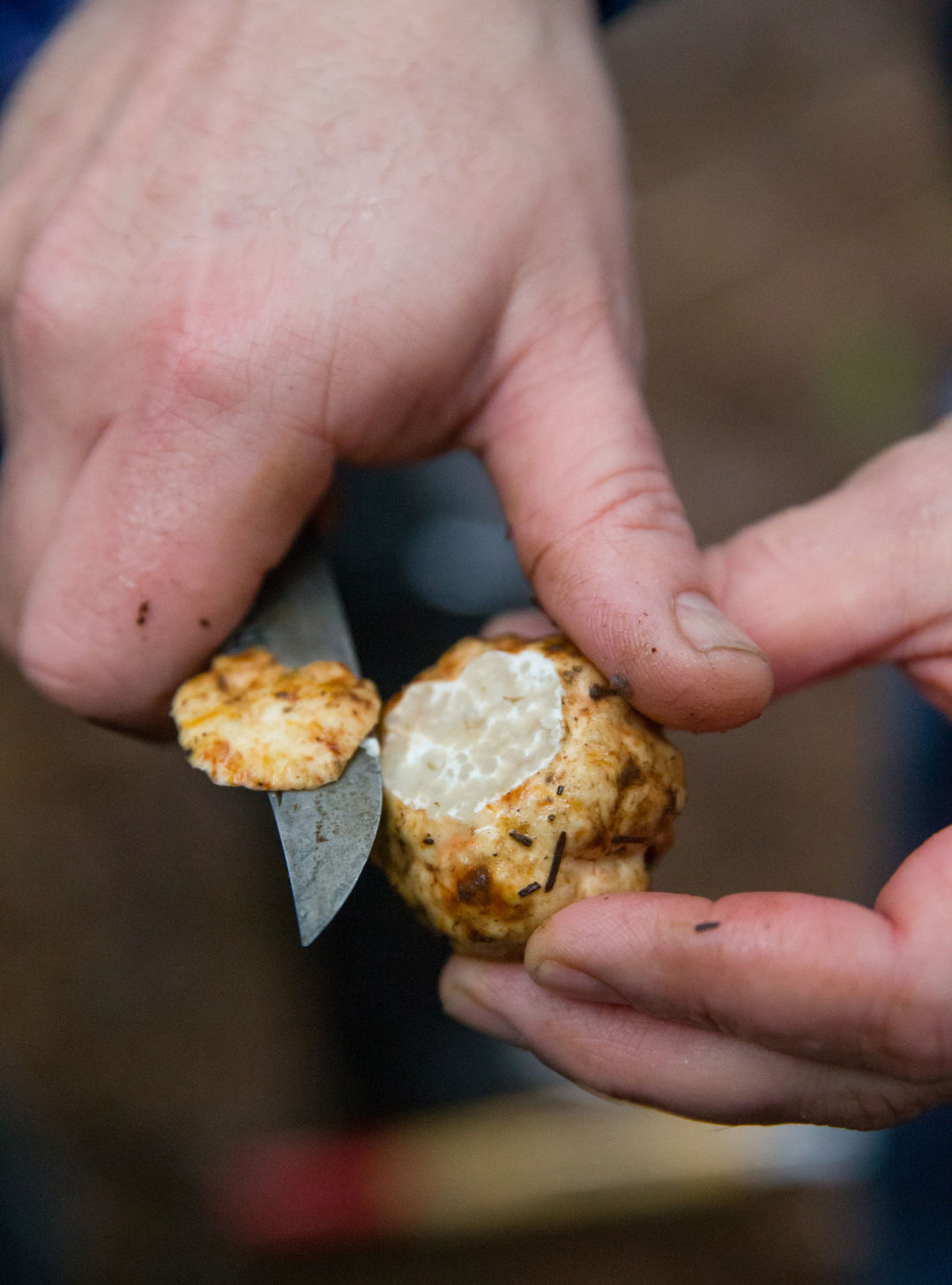
Truffles are a luxury product with a hefty price tag reflecting the laborious process of unearthing them. Whether black or white, Italian truffles can be especially pricey given their exceptional quality and the cost of transporting them around the world. Fortunately, truffles don’t just grow in Italy—these mycorrhizal marvels thrive alongside oak, hazelnut, and fir trees, which grow abundantly in the Pacific Northwest. Several farmers have recently transplanted European truffles to local soil. But Oregon has its own, distinct truffle varieties as well. Our truffle season runs from late autumn to early spring (the Oregon Truffle Festival is in February). In season, find them at farmers markets and specialty shops like Providore or on menus around town. At Estes, chef Patrick McKee mixes Oregon truffle butter and truffle cheese into risotto, and they often give Cathy Whims’s pasta some extra love at Nostrana.

Pasta, Flour, and Grains
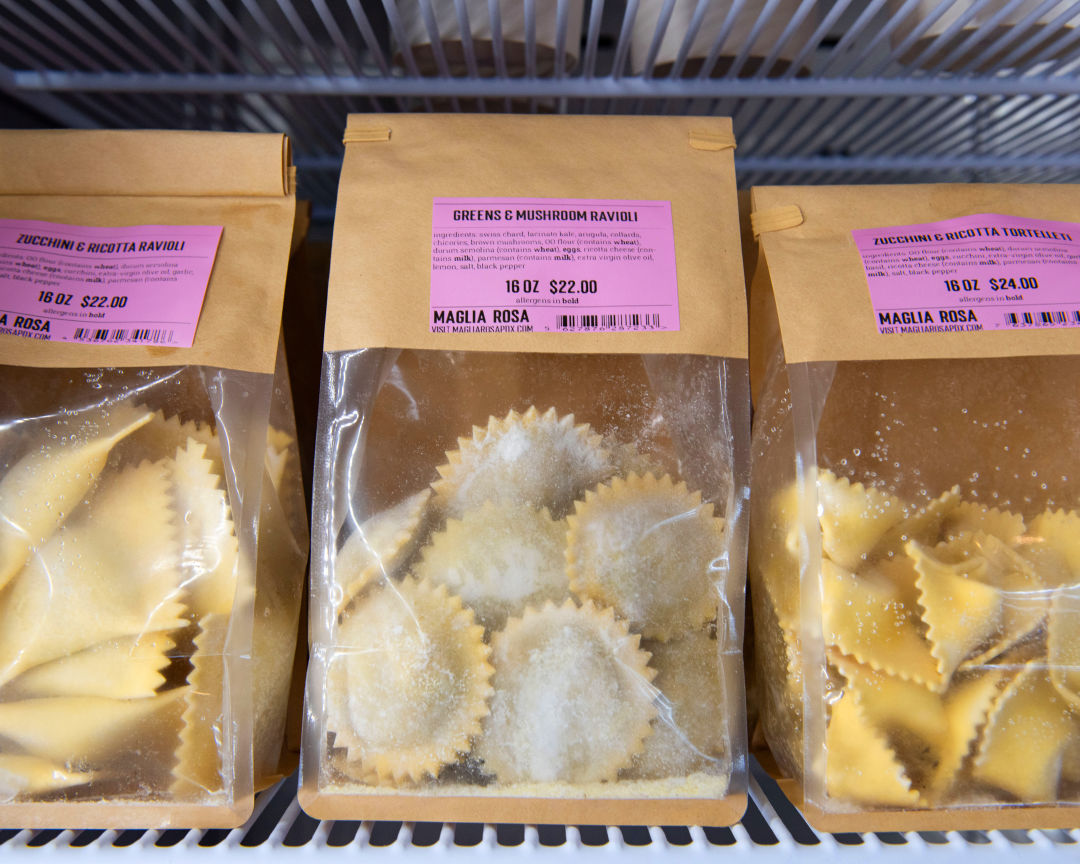
Italian pastas have been a major target for tariffs. Luckily, there’s an abundance of pasta-makers in town. For ready-to-eat plates or take-home packages, stop by Montelupo, named for the town of Montelupo Albese where owner Adam Berger studied pasta-making. At this market-meets-restaurant, you can pick up fresh pasta, like pappardelle and gnocchi, and bronze-die-cut dried pastas, like radiatore and cavatappi, made with Shepherd’s Grain durum wheat from North American regenerative farms, including some in the Pacific Northwest. On SE Division, chef Troy MacLarty’s Maglia Rosa sells fresh ravioli and cavatelli made with flour from Camas Country Mill; alternatively, you can order spelt fusilli and penne made directly from the Eugene-based mill, as well as other traditional Italian products, such as polenta and pizza flour, all made with Oregon-grown grains.

Image: Courtesy Mattea Schwab
Cured Meats
High-quality cured meats take months, if not years, to produce, and the best are the result of dedicated husbandry and precise curing. In the Hood River Valley, Stamboom raises heritage-breed pigs in an oak forest where the animals have ample room to roam and forage. Stamboom’s skilled butchers then transform the meat into a variety of Italian-style treats, curing them with specialized spice blends for prosciutto crudo, lonzino, and coppa. You can order online or savor a charcuterie plate and wine pairing at Analemma in nearby Mosier. Meanwhile, in Portland, Olympia Provisions offers spicy Italian-inspired salami, like cacciatore and soppressata. Since launching in 2009, the charcutier has won 15 Good Food awards and now distributes nationwide, making it a major producer of European-style cured meats. On the other side of the river, Greg Higgins works closely with local farmers to source pork for his legendary charcuterie program at his eponymous restaurant, transforming Oregon pigs into mortadella and prosciutto cotto—you can’t get those in any store.
Cheese
Back in 2019, Rogue River Creamery was crowned the World Champion at the World Cheese Awards in Lombardy, Italy, upsetting the cheese world, to put it lightly. The world champ Rogue River Blue is an ideal alternative to Gorgonzola DOP: The Rogue Valley climate of Southern Oregon is similar to the Po Valley of Northern Italy, where Gorgonzola is produced. Both cow’s milk cheeses undergo a yearlong aging process that develops those signature streaks of blue mold and strong, funky flavor. For something reminiscent of Italian feta, check out Briar Rose Creamery’s briny, creamy-crumbly Fata Morgana.
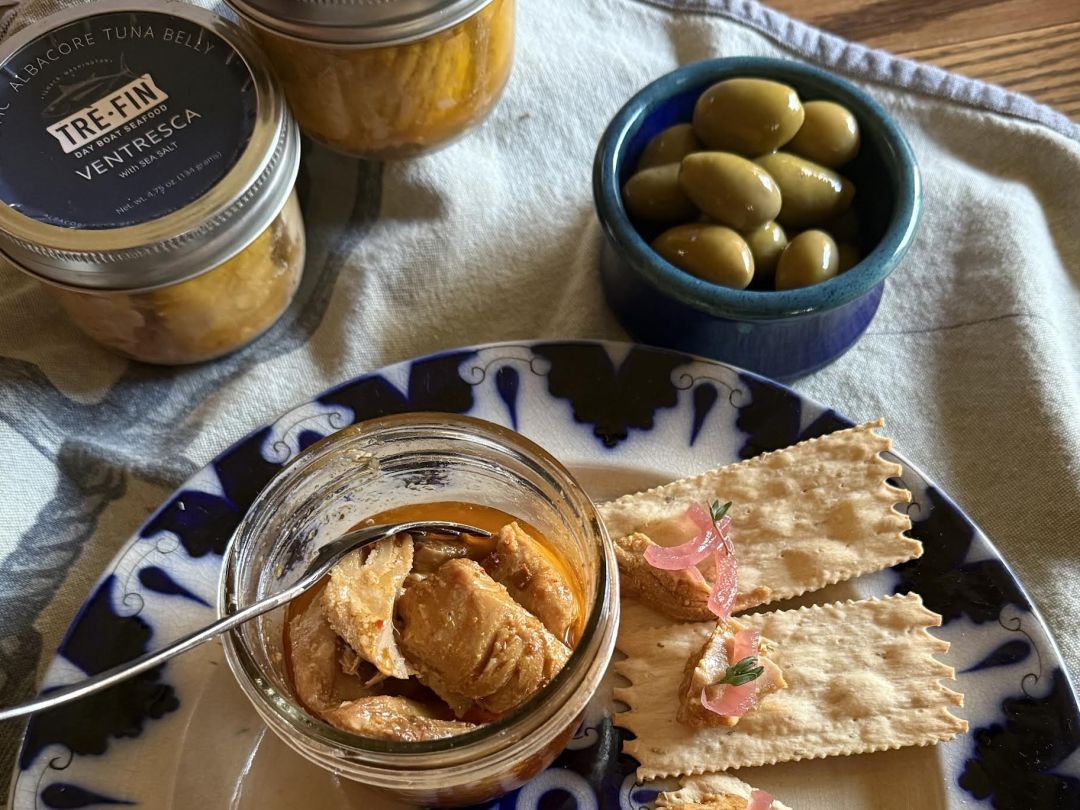
Image: Courtesy Ellen Jackson
Tuna
With nearly 5,000 miles of coastline, Italy carries an ancient love of seafood, including tuna, a key ingredient in many of its culinary traditions. While the nation is best known for Atlantic bluefin tuna, the Mediterranean Sea is home to a related species, albacore—which, you may know, is also found in the coastal waters of the Pacific Northwest. The Oregon Albacore Commission is a great place to find local producers, including brands like Oregon’s Choice and Sacred Sea Tuna. Port Orford Sustainable Seafood’s albacore packed with Calabrian chili crisp is a spicy favorite, and if you want to spice things up yourself, Tre Fin’s hook-and-line-caught canned and frozen fish is a great base. Tre Fin also partners with Durant for its tuna Ventresca, packing luscious belly meat in olive oil, as is the Old-World fashion.

Image: Courtesy Emily Teater
Nuts and Nut Butters
Nuts like hazelnuts and pistachios are a key part of Italy’s culinary traditions—you can thank the country for Nutella, for one. Oregon, too, has its own claim to fame when it comes to nuts. The state produces a whopping 99 percent of hazelnuts grown in the US. Order organic hazelnuts for snacking, baking, and cooking from Meridian Orchards in Aurora, or try its hazelnut spread (with or without chocolate) under the Squirrelly Jane brand. The farm also supplies hazelnuts for some of the Hummingbird Wholesale products, like its Hazel Munch. Alternatively, pistachio fans should check out Pistakio. Founders Nico Buffo (originally from Italy) and Francine Voit were disappointed by the pistachio butters available in Portland, finding them overly sweet and one-note. Wanting a taste of home, they developed this intensely nutty and versatile spread that can be enjoyed in both savory and sweet preparations, made with regeneratively farmed pistachios.
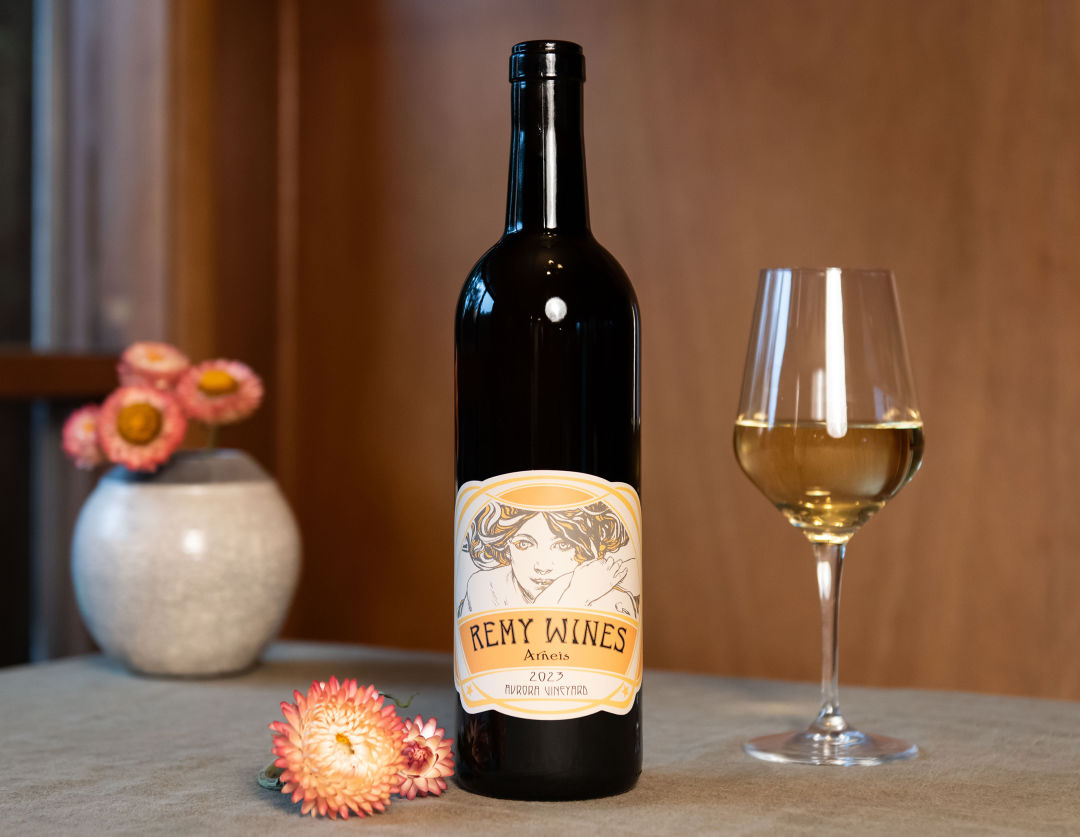
Image: Courtesy Devin White
Wine
Oregon’s wine country has earned a global reputation for its French varietals, namely Chardonnay and Pinot Noir. But in recent years, Italian grapes have been finding a home in the Willamette Valley. We share the 45th parallel with France’s Rhône Valley and Italy’s Po Valley, all auspicious climates for viniculture. Remy Wines’ arneis (a Piedmontese white wine with notes of pear and chamomile) and lagrein (robust and fruit-forward, from the Alto Adige province) will transport you to the mountainous northern reaches of Italy. In Dundee, Day Wines’ vermentino offers salty, citrusy notes reminiscent of the Mediterranean. In Yamhill-Carlton, Stag Hollow produces dolcetto, known for its cherry and almond notes; Stag Hollow also uses the Piedmontese variety for sparkling rosé. Not keen on a trip down Pacific Highway? Buona Notte serves several red and rosé wines made from Italian grapes—Dolcetto, Sangiovese, and a vermouth with a Pinot Grigio base—at its SE Portland tasting room.
Aperitivo and Amaro
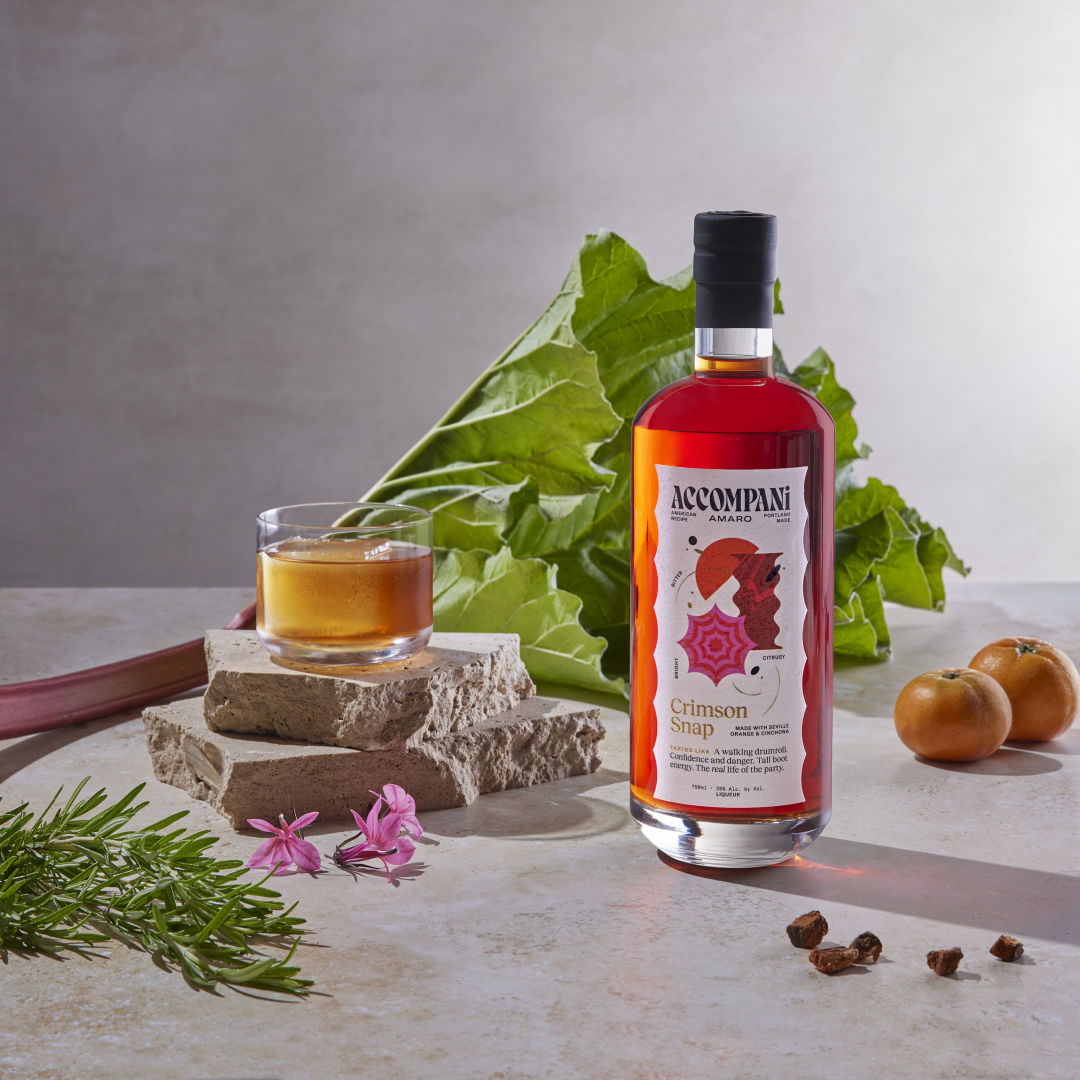
A proper Italian meal begins with an aperitivo and ends with amaro. While the storied Italian brands are iconic for a reason, local producers are worth checking out. DeGroff Spirits produces a bittersweet aperitivo and “New World” amaro in Hood River Valley. Portland’s Accompani, part of Straightaway Cocktails, makes its own line of herbal liquors. Its deliciously bittersweet Crimson Snap can be used in classic cocktails, like a Negroni or spritz, in place of brands like Campari and Aperol, and pairs nicely with Accompani’s Italian-inspired sweet vermouth. Elsewhere in the city, New Deal Distillery makes its own nocino, a jet-black Italian liqueur made from green walnuts and infused with spices such as cloves and nutmeg. In Eugene, Elixir Craft Spirits carries on another Italian tradition, producing the aromatic amaro Calisaya from cinchona bark and oranges.