Meet the Young Portlanders Leading Today’s Political Movements

Image: Jeannie Phan
Hana Fares wasn’t sure anyone would show. The Lincoln High student, then a freshman, had spent weeks preparing. She’d made hundreds of posters, going around the school with friends to replace any that had been taken down. She’d held events in the art room to make signs. She’d sent emails and Instagram DMs.
Before the October 7, 2023, attacks in Israel, Fares says she was “just Hana.” She worked on the student newspaper, played trumpet and piano, loved to sing. Afterward, she felt like the world saw her only as Palestinian. It made her angry. That year, in history class, she’d been learning about the 1960s-era civil rights movement, about diner sit-ins and student walkouts. She felt a spark.
Only two others came to the first organizing meeting. One was a senior, an experienced activist who’d planned walkouts before. “We’re gonna make it happen,” she reassured Fares. And they did: On an unusually sunny Friday in mid-March 2024, Fares and about 20 others from Lincoln met on the school patio. Megaphone, signs, and Palestinian flags in hand, they headed for the MAX. By the time they reached Portland Public Schools headquarters across the river on North Dixon Street, Fares was stunned. An estimated 300 students from 13 Portland-area schools had shown up, joining hundreds of pro-Palestine demonstrations across the country that same month.
Young people have shaped political movements for decades: against the Vietnam War, for divestment from apartheid-era South Africa, against gun violence, for immigrant rights. Armed with a growing awareness of the world’s injustices, lessons from history class, and a readily available cohort of peers, today’s rising generation is staking their claim at a particularly divisive time in American politics. They’re eager, and they’re omnivorous in their approach: It’s not just the person up front with the megaphone. It’s the student who writes letters to their legislator. The one who signs up new voters at the local library. The one posting on social media. The one who collects supplies for local mutual aid efforts. Most can’t yet vote or run for office—they have to be versatile.
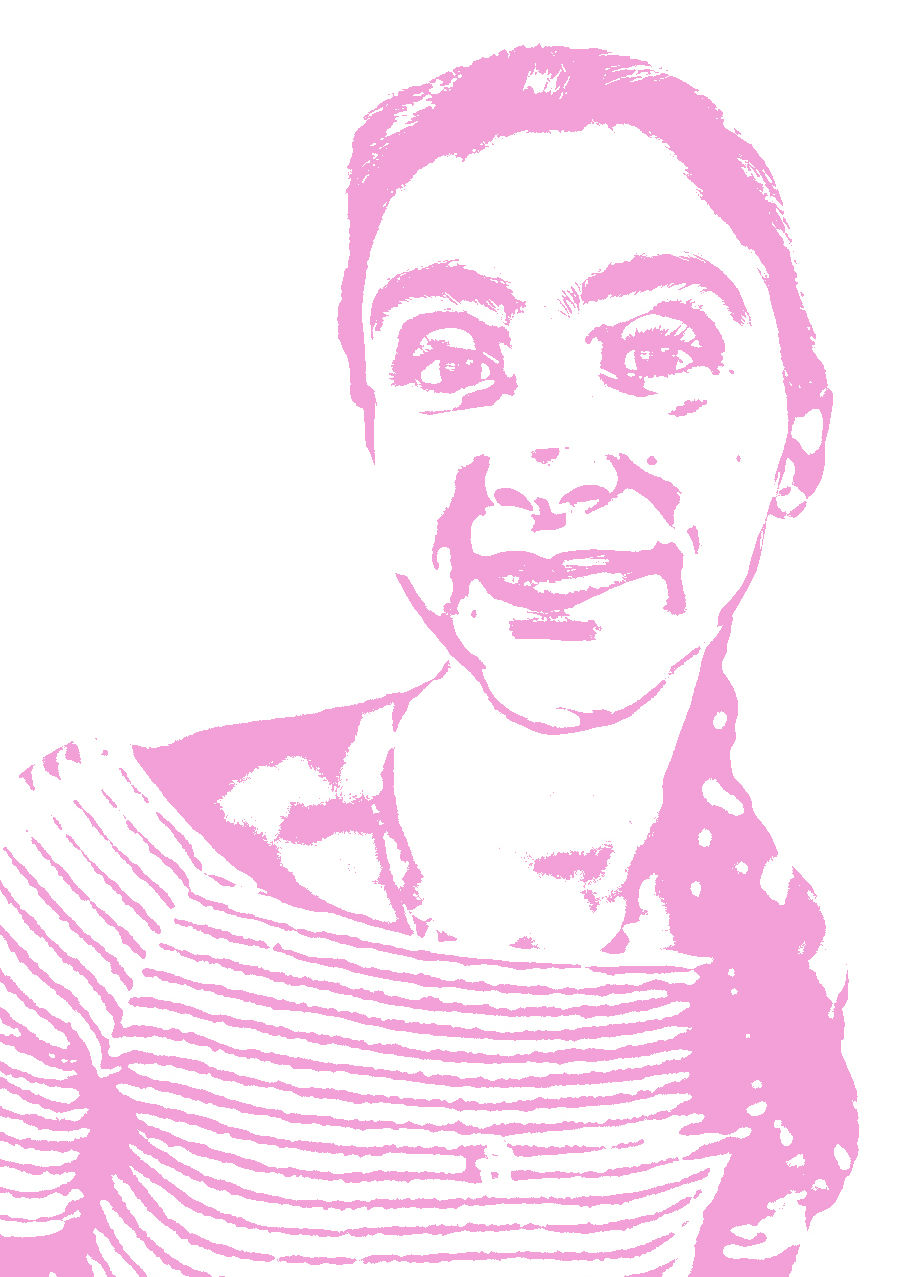
Image: Courtesy Hana Fares
Looking back at that first walkout, Fares says, “I think I found my voice.” Dressed in the checkered black and white keffiyeh she’d worn nearly every day that school year, leading her Lincoln classmates to the district building, Fares helped carry a giant banner bearing the number of Palestinian children who’d been killed. Behind her, signs read “Killing children is not self-defense” and “Fund school, not the genocide.” At the district building, she met Palestinian American students from other schools. She talked with Jewish students who also felt they were being stereotyped and targeted for their identity, and who wanted to show support. She calmed her nerves enough to read a poem she’d written. At the end, participants held hands in a circle and danced the traditional Palestinian dabke.
Fares, now entering her senior year, went on to found Students for Peace, a group centered on justice for Palestine and peace in the Middle East. Chapters at Lincoln, Benson Polytechnic, and Cleveland focus on education, fundraising, and direct action. They’ve raised about $500 through bake sales for the Palestine Children’s Relief Fund, and members have testified before the PPS school board to advocate for updated policies on political speech; Fares continued to work with the board’s policy committee through last spring. “The youth are responsible for changing the world, and if you can’t see that, then—” she stops to laugh. “Like, either join the movement or step out of my way, because I’m gonna change the world someday.”
For many young Portlanders, family is a motivating factor. Nicole Reksopuro, a senior this year at Adrienne C. Nelson High School in Happy Valley, is tight with her sister, who’s four years older and in college in Seattle. The two share a love of K-pop and a sarcastic sense of humor. Reksopuro remembers watching her sister emcee a panel of high school students. As a younger sibling, she says, “You never like to admit that your older sister is the coolest person ever.” But that’s how she saw her sister in that moment: confident, poised, passionate. “Outstanding aura,” Reksopuro adds.

Image: Courtesy Nicole Reksopuro
Reksopuro followed in her sister’s footsteps, getting involved with a youth-led nonprofit called Next Up Action Fund. She facilitated the organization’s youth lobby day and testified in support of Oregon’s Freedom to Read bill, which restricts book bans based on protected identities. Last year, she traveled to Washington, DC, to lobby on Capitol Hill for the Menstrual Equity for All Act, which expands access to menstrual products through federal programs.
The trip was an eye opener for Reksopuro. She already knew other young people don’t always feel comfortable going to marches or rallies out of fear of deportation, arrest, or police brutality. Some don’t have access to transportation. But she hadn’t realized how much she’d been taking for granted. She told peers from other states about Oregon’s requirements for free menstrual products in public schools, and about “period action days” that serve to collect donations and raise awareness about affordability and access. “They were, like, gagged at that,” she says, “so incredibly surprised and shocked that those things were a norm for us.”
Melissa Kennybrew, who teaches language arts and electives for upperclassmen at Benson, has a favorite memory of student resistance. Some 20-plus years ago, still in her early twenties, Kennybrew was teaching at a public high school in Chicago, when her students were told they had to start wearing collared shirts. The kids didn’t miss a beat: Soon enough, they were simply attaching collars to their outfits. Some fashioned collars from paper and safety-pinned them. “Tell me that the kids don’t know what they’re doing,” Kennybrew says. Before long, the rule was dropped.
Kennybrew points to the 2012 fatal shooting of Trayvon Martin and the 2020 killing of George Floyd as galvanizing moments in her students’ political awakenings. She points out that while their young brains are still developing, they’re aware of these events, and that they want to be part of the solution. There’s a question Kennybrew likes to pose: “How are you gonna use what you’re good at to do some good in the world?”
Zave Payne has been exploring that question in one way or another for years. Payne, a recent graduate of Portland State University, was 11 years old in 2014 when a police officer killed Tamir Rice in Cleveland. Rice was only a year older than Payne, and he died just a couple of hours from where Payne grew up, in Defiance, Ohio. Payne, who is mixed race—their dad is Black and their mom is white and Latino—went to several Black Lives Matter protests with their stepfather. At one march, which Payne recalls as otherwise peaceful, police tear-gassed and shot rubber bullets at the crowd.
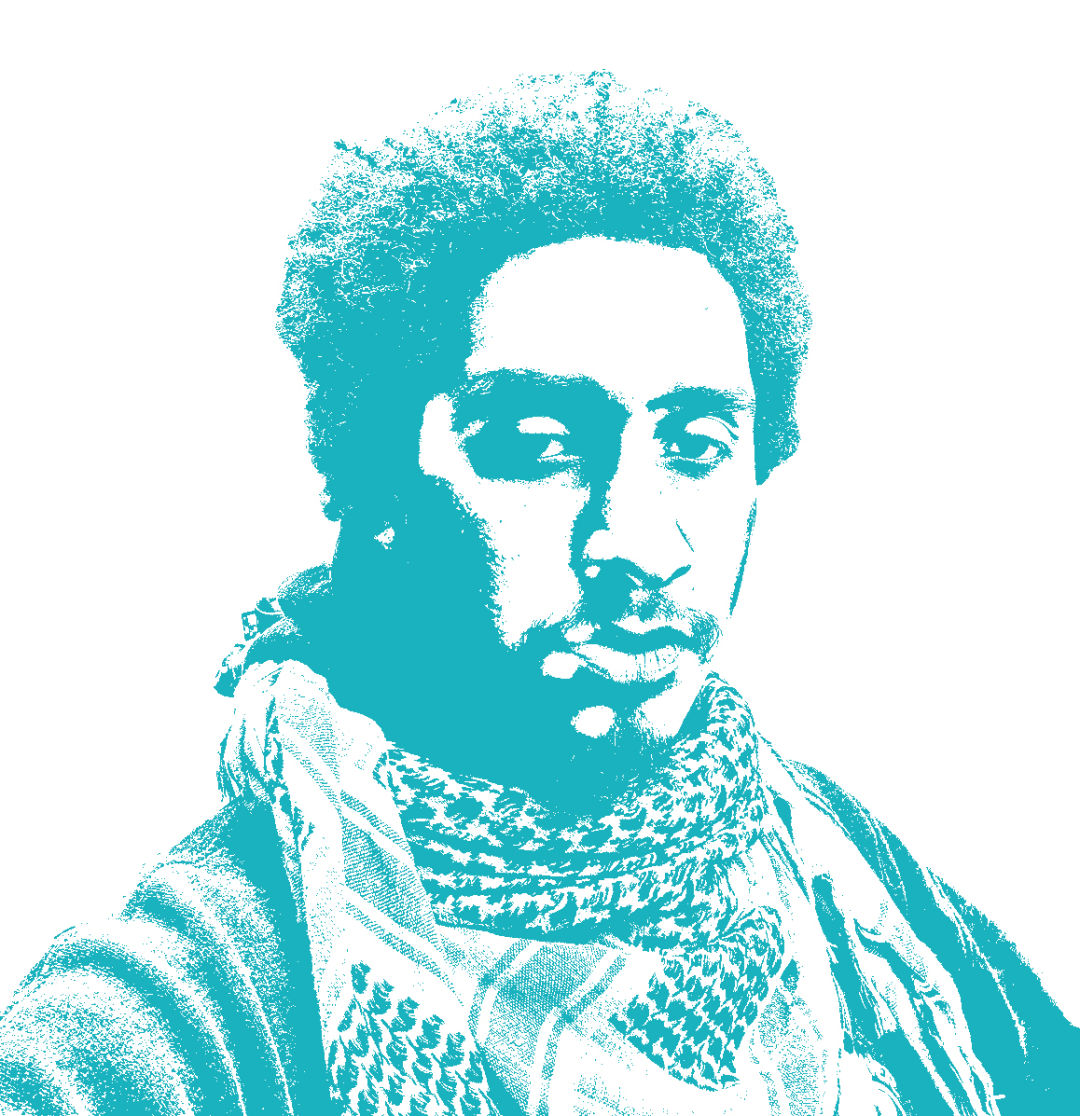
Image: Courtesy Zave Payne
Payne wore a BLM hoodie nearly every day in middle school. They kept a safety pin on it, meant to signify they were a “safe space” for others. Wearing that sweatshirt felt like a “major act of resistance” at the time, they say, growing up in a small, predominantly white, conservative town. At one point, they put a Hillary Clinton bumper sticker on the hoodie. They look back on the outfit and laugh. “It was atrocious,” they say. “But I was trying to make a statement.”
The 2018 school shooting in Parkland, Florida, which killed 17 students and staff, happened the day after Payne turned 15, and it spurred them to organize their first walkout, timed to a national day of action. They made signs and spread the word by mouth and on Snapchat and Instagram. Dozens joined. A few months later, Payne organized another walkout—this time, during state exams. That day, Payne was the only one who showed. They say the principal was upset and accused them of distracting from the standardized tests. Not used to being considered a troublemaker, Payne apologized, stepped outside, and began to cry.
Since then, Payne’s organizing trajectory has spanned numerous causes, including gun violence, climate change, the voting age, and the cost of higher education and rent. Today, they organize with the local branch of the Party for Socialism and Liberation. They’re also an affordable housing intern at CASA of Oregon. In some spaces, they’re still one of the youngest in a multigenerational effort. They say it’s wild to think they’ve been organizing nearly half their life, and note that even people who are decades older sometimes look to them for leadership. But in youth activist groups, Payne is one of the oldest and most experienced. “I feel a little bit unc in that way,” they say, with a chuckle. They don’t see themself as a mentor, but they know from experience that the kids are watching.