A Mountaineer Shares Their Biggest Lessons from the Summit

Image: Matteo Berton
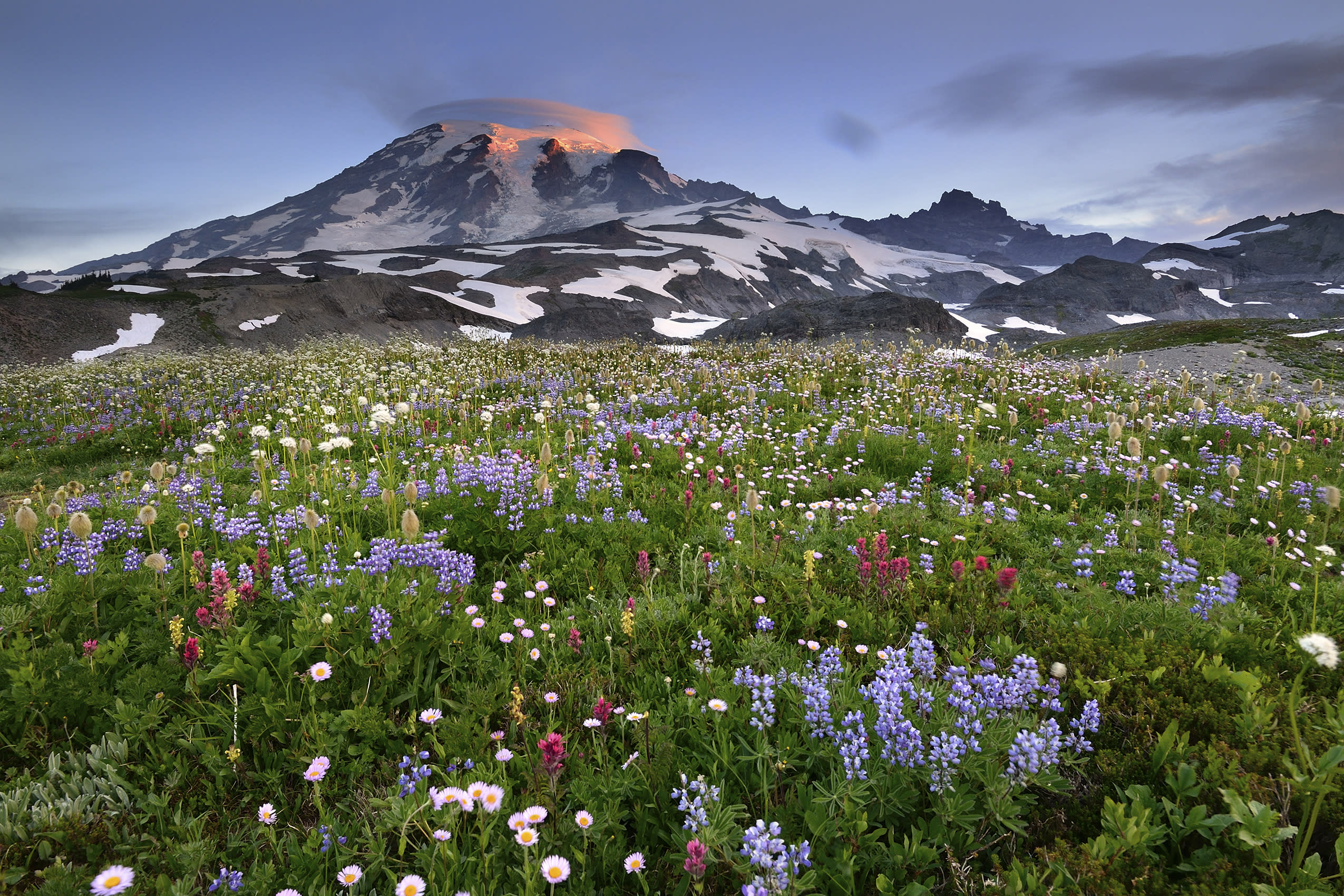
Before they started leading mountain expeditions and teaching the basics of multipitch, Robin Wilcox almost quit climbing altogether. They had just finished a gnarly ascent of Mount Rainier that included getting temporarily lost in a crevasse field. “I had this moment where I was like, I actually just like camping,” Wilcox says. “I literally went to REI and returned my $700 mountaineering boots and got a car camping stove and a pair of flip-flops.” A few months later, their partner urged them to take a snowshoeing trip in the Columbia River Gorge, and they realized how much they missed the mountains. “I was like, Oh shit. I do think I like this thing,” they remember.
Wilcox is board president of the Mazamas, a local mountaineering nonprofit founded in 1894 that lobbies and organizes to keep the wilderness wild—from preventing the construction of tramways up Mount Rainier and Mount Hood to helping create Portland’s Forest Park. A main focus is education: Volunteers lead mountaineering trips and teach courses in alpine climbing, which is how Wilcox first got involved. Here, they share the biggest lessons from 20-plus years slogging uphill.
The first time I climbed a mountain…I had never been backpacking. I brought a jar of peanut butter and nothing else. We reached the saddle [of South Sister], up above the tree line, [and] I was super tired, thinking, “How the heck am I going to get through this?” I would just count to 50 and force myself to smile. Then I would stop, and I would count to 10 and say every swear word that I could think of, lean on my trekking poles, and then go again. Since that moment, I often have this feeling of like, “Oh, I did that. I can do anything else.”
My philosophy when I lead climbs or trips: We don’t have to go the exact same speed, but you need to be able to see the person in front of you and the person behind you. If you lose the person behind you, that’s on you. Slowing down or keeping that pace is more important, and it’s also the more efficient way for us to move through this as a group.
To be effective at climbing, you have to recognize that you will fall and be comfortable with what that feels like in your body. You’ll get in more trouble by trying to not fall. My yoga teacher says the same thing, right? It’s like, if you exhale, if you just force yourself to breathe out, you will always breathe back in.
I remember somebody telling me at a bouldering gym, “Everybody’s trying to solve the same problem. It might look different, but really you’re just trying to figure out how to breathe and how to move your body and how to do this challenging thing. Everybody can do that.”
The mountains will always be there. Someday you’re gonna have a bad day where the weather’s not gonna work out, you’re gonna forget something important at home, but you can always come back another day and try again.
I spent a lot of time talking with other people, thinking about experiencing the mountains or the sport in other ways beyond what the REI catalog picture is. These wild places are for everybody. They don’t care what your shoes are, or how far you went down a trail. It’s important to take care of them so that other people can have those same experiences—so those places continue to exist.