The Thai Chinese Diaspora in Dishes at Portland Restaurants

Image: Michael Novak
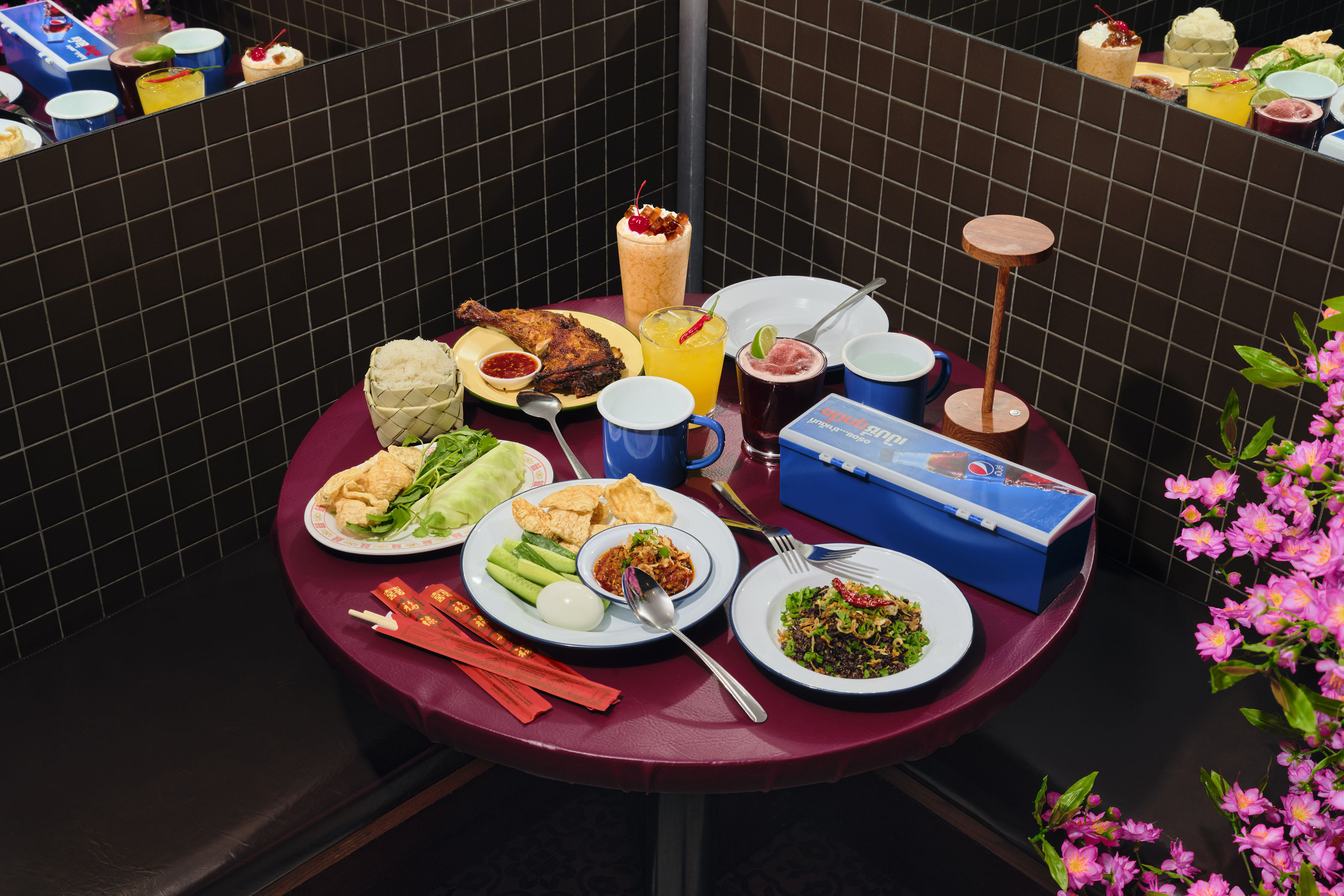
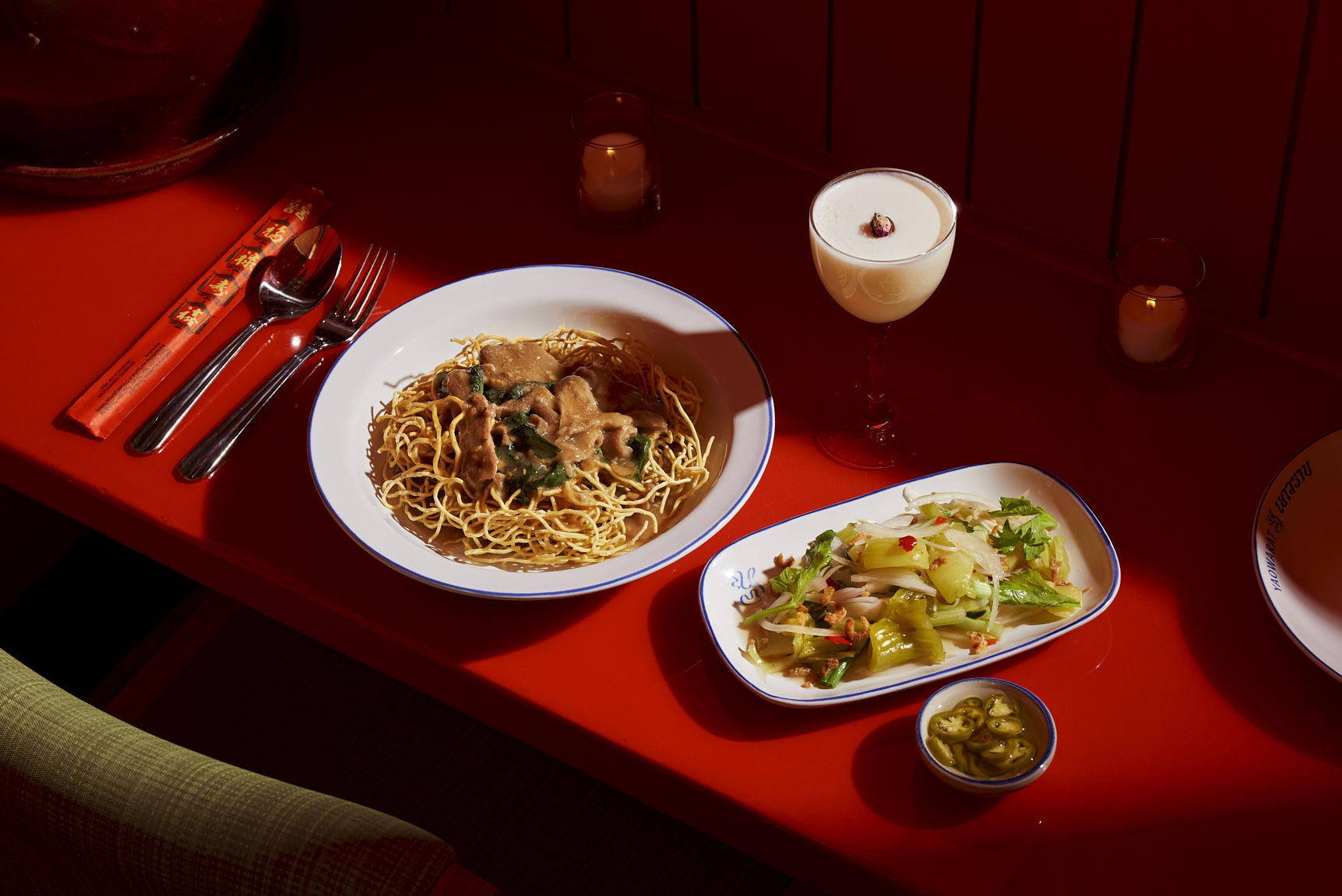
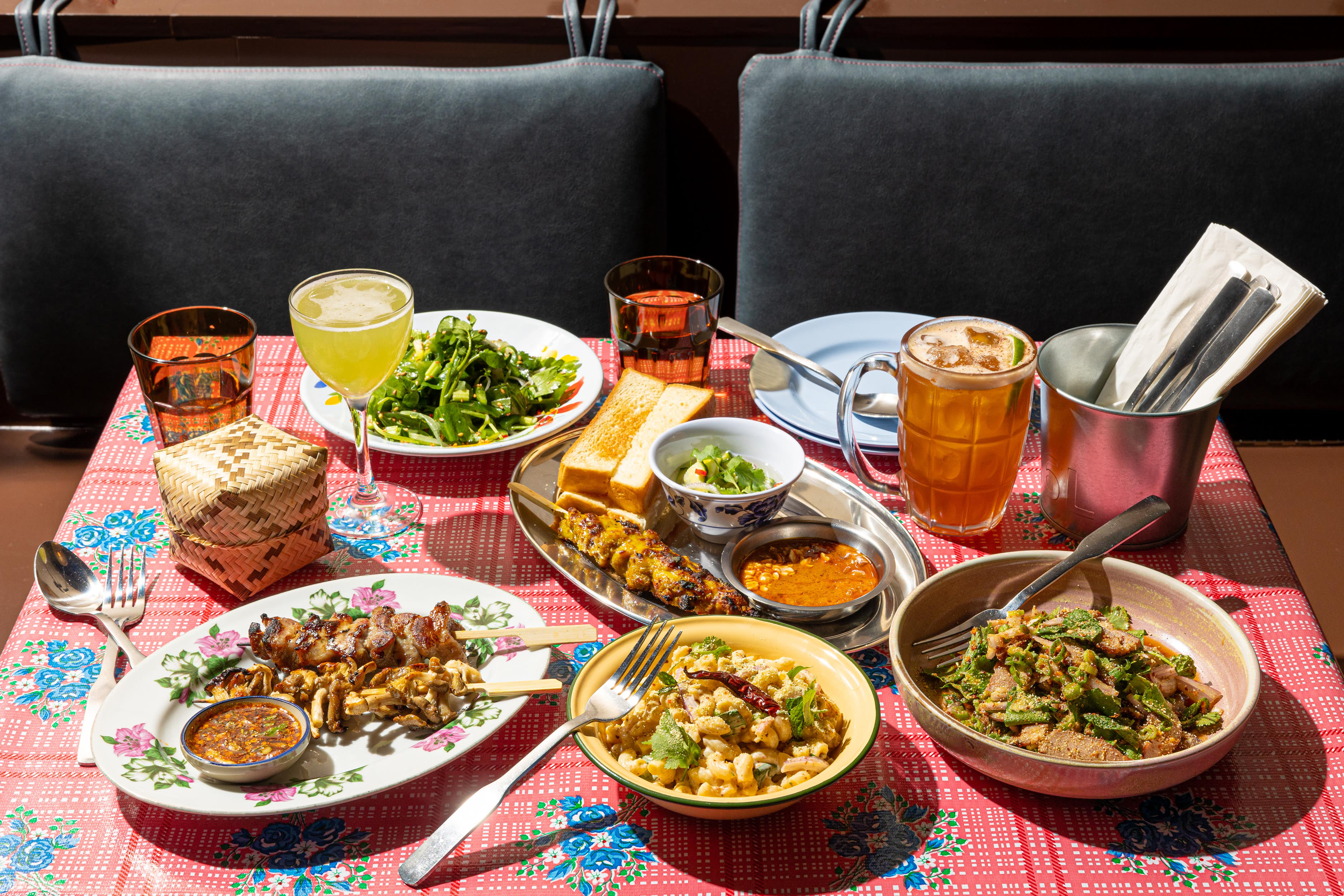
Without Thailand’s Chinese diaspora, the country’s cuisine might not have anything stir-fried (say goodbye to pad kee mao and pad thai) or deep-fried (86 the Hat Yai–style fried chicken). Chinese immigrants have been settling in Thailand for millennia; roughly 12 percent of modern Thailand is of Han Chinese heritage, and the Thai Chinese population is considered the largest ethnic minority in the country. While untangling the Chinese influences from any given Thai dish is a relatively useless task, certain dishes do more overtly display their lineage, often with clear Chinese relatives (Hainanese chicken becomes khao man gai, chow fun becomes rad nah). Portlanders looking for a walk-through could start at Yaowarat in Montavilla, named for the major street of Bangkok’s Chinatown. But every Thai restaurant in town has some representation of this cultural evolution.
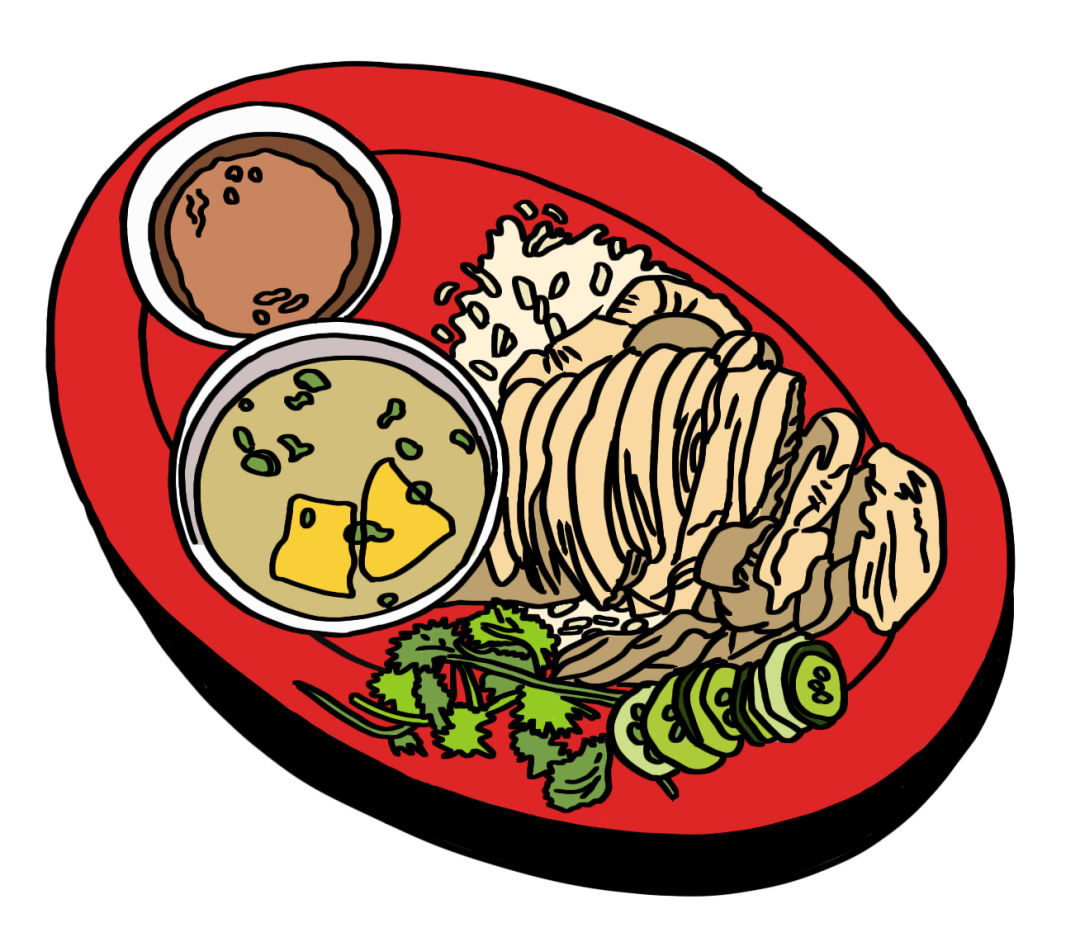
Image: Michael Novak
Khao Man Gai
Hainanese chicken and rice was born on the Chinese island province due east of Northern Thailand, though similar simple dishes are ubiquitous across South and Southeast Asia. In Thailand, it’s traditionally served skinless and boneless with a clear broth and a soy-based dipping sauce you can thank China for.
Find it: Nong’s Khao Man Gai, Rooster & Rice, La Moon Khao Man Gai
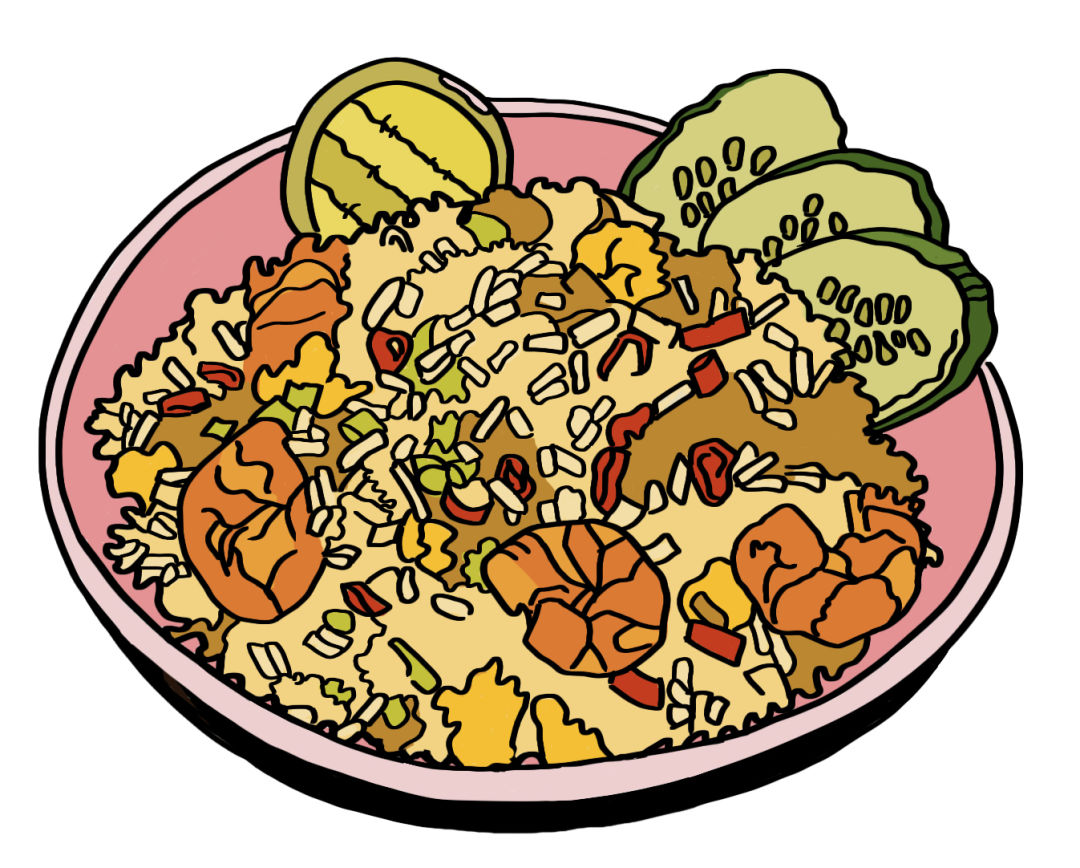
Image: Michael Novak
Khao Pad
Eighteenth-century Chinese immigrants brought stir-frying techniques to Thailand, and soon nearly everyone was tossing rice with soy sauce, egg, and whatever else was on hand (shrimp and pineapple, anyone?). Today, fried rice vies only with pad thai for menu dominance in Thailand and the US.
Find it: Chick & Pig, Rukdiew, Kinara Thai
Khao Moo Daeng
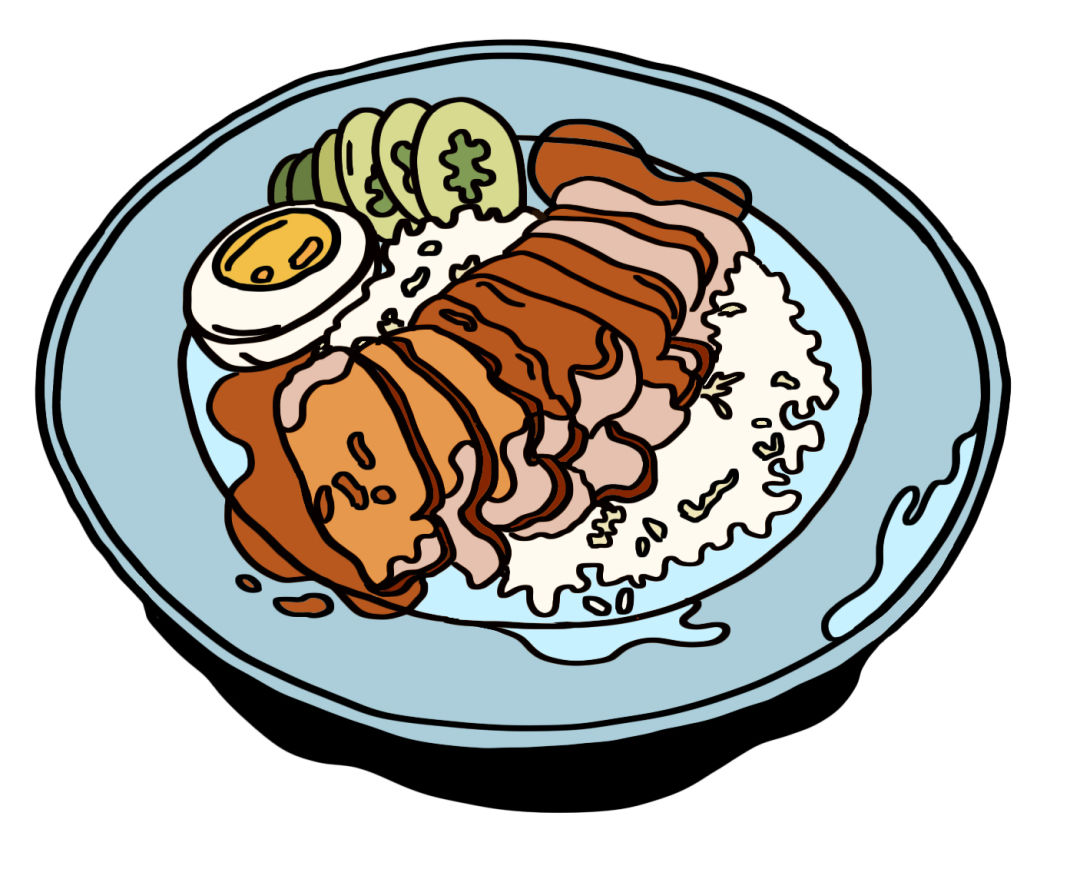
Image: Michael Novak
This dish name translates to “rice with red pork” and functions as the Thai name for char siu, or Cantonese barbecue pork, though it’s also served with cured Chinese sausage (kun chiang in Thai). The mouth-watering gravy that makes the dish so enticing is traditionally sweetened with palm sugar, common throughout Southeast Asian cuisines.
Find it: Khao Moo Dang, Mee Sen Thai Eatery
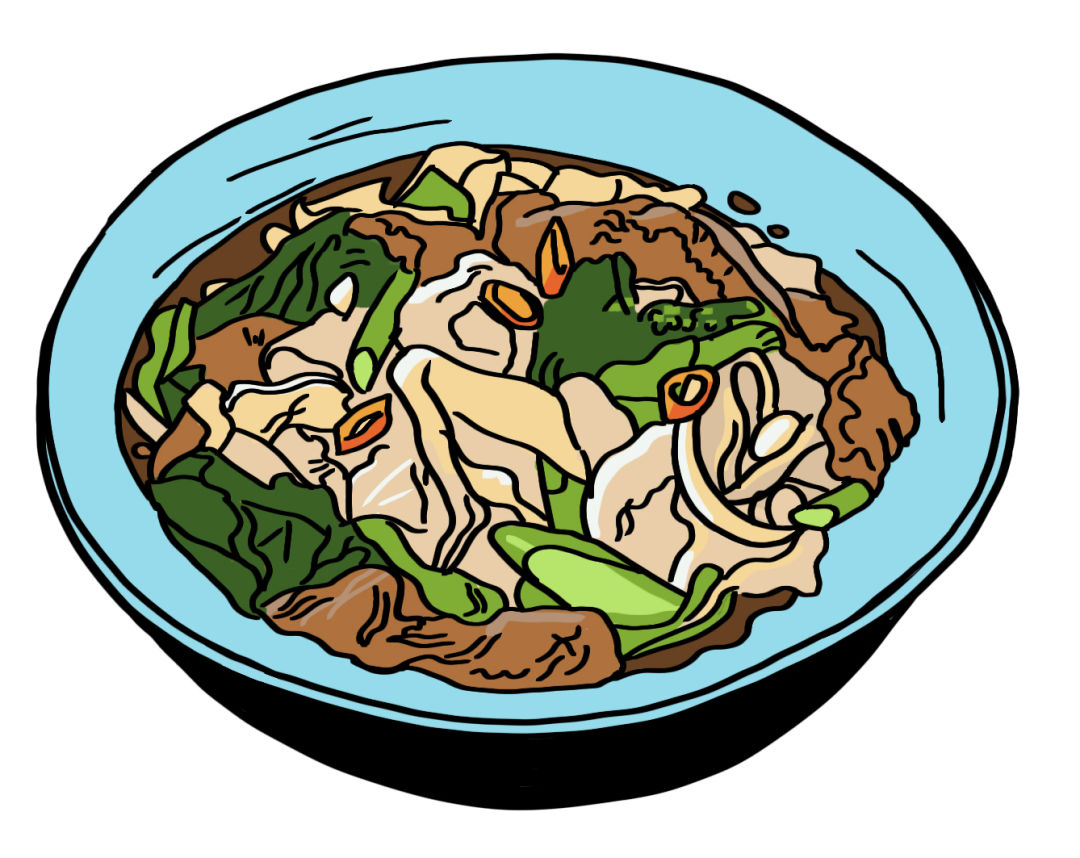
Image: Michael Novak
Rad Nah
It could be said that all Thai noodle dishes are Thai Chinese. Archeologists have dated noodle fossils in China to as early as 2000 BCE. But the wide rice noodles of rad nah, coated in a thick soy-based sauce and usually tossed with chopped pork and Chinese broccoli, are no doubt a cousin of Cantonese chow fun.
Find it: Sivalai, Thai Lahnna, Cha’Ba Thai
Ba Mee Hang
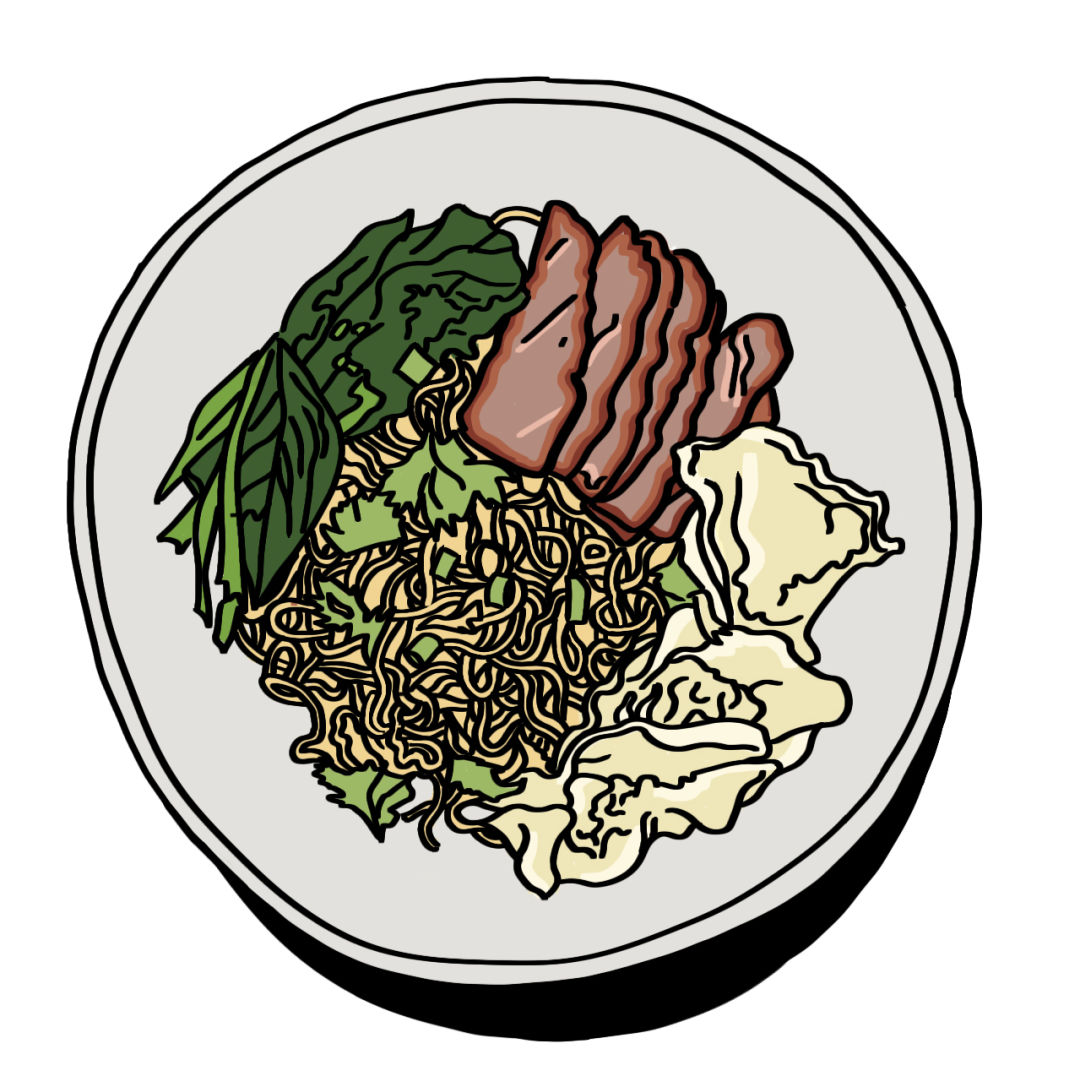
Image: Michael Novak
Wheat-based egg noodles like the thin and tubular ba mee also hail from Thailand’s northern neighbor. (Italy was much, much later to the noodle game.) These springy noodles often appear in soup (nam) and as ba mee hang, or “dry egg noodles”; in the latter, they’re usually tossed in garlic oil and topped with sliced pork, greens, and wontons.
Find it: Ba Mee Noodle House, Guay Tiew, Khao Moo Dang

Image: Michael Novak
Kanom Gui Chai
The sticky, chewy steamed buns stuffed with chives brought to Thailand by Chinese immigrants caught on as a popular street food snack. Somewhere along the way, they morphed into kanom gui chai, translated as “chive cakes.” The Thai version is a savory fritter made from a chive-loaded batter. Steamed then fried, they’re oh-so-delectably crispy outside and chewy inside.
Find it: Yaowarat, Meeboon Thai Cuisine, Paadee