The Case for Takeout Thai Food

Image: Michael Novak
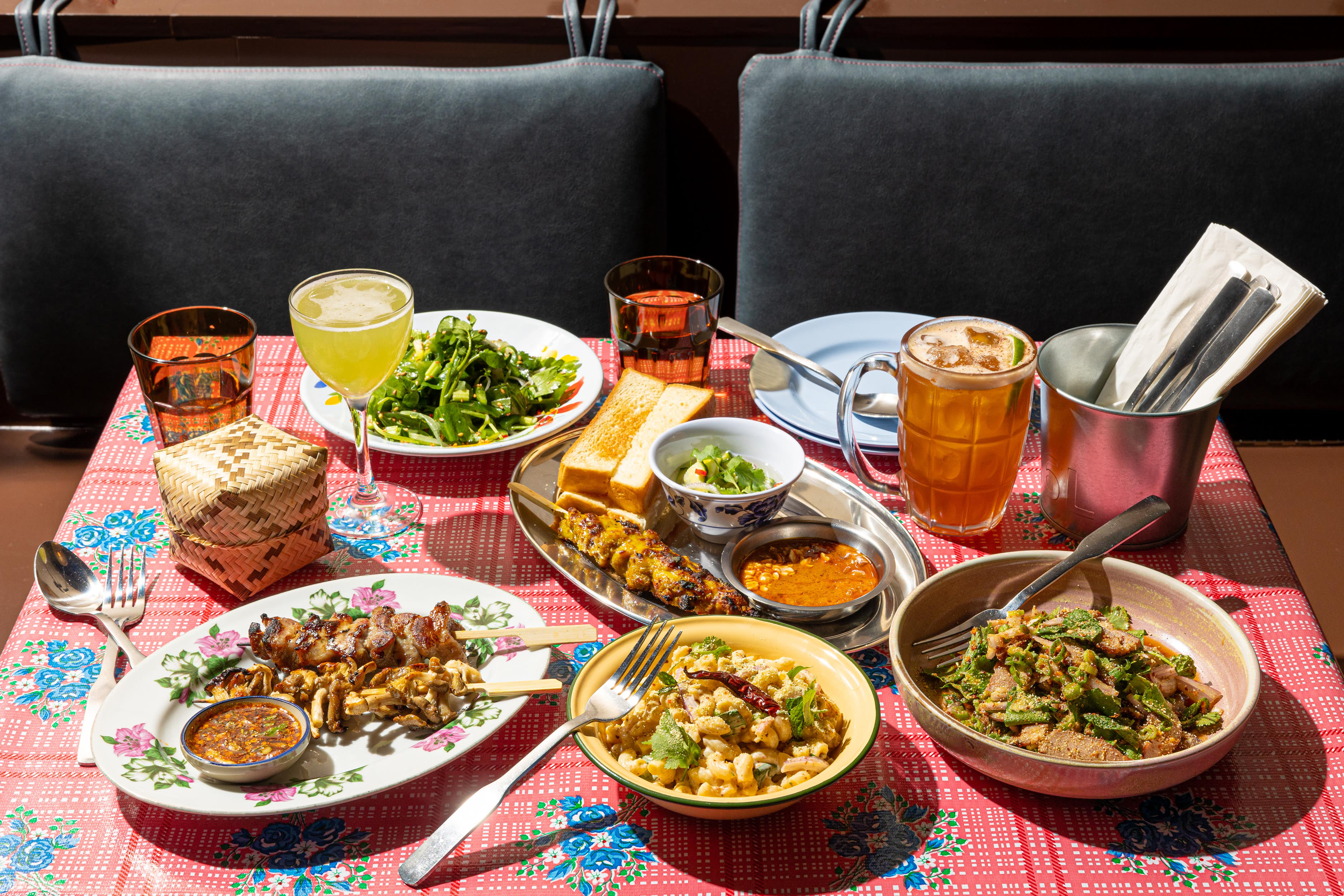
It's no accident that most Thai dishes travel well. While takeout gets a bad rap in some places, in Thailand sit-down restaurants are generally less popular and have existed for far less time compared to market stalls, open-air storefronts, and pushcarts. We might not have the same setup here, but in the US it's also no accident that there's probably a Thai place or two (or 20) on your way home where you can pick up dinner.
In the early aughts, Thailand spent 500 million baht ($15 million USD) to bring Thai food to the world. The Global Thai Program launched in 2002 as a government-sponsored culinary diplomacy initiative, providing grants and training to people who wanted to open Thai restaurants outside of Thailand. There were three state-designed formats deemed “master restaurants.” Golden Leaf was more formal, with “luxurious surroundings” and meals clocking in at about $25–30 per person, while Cool Basil skewed more contemporary and casual, “blending…Thai identity and international styling.” The cheapest, fast-food version had the name Elephant Jump. Educational materials and traveling instructors offered recipes and example dishes, things like green curry, tom yum soup, and som tum, or Thai papaya salad. Other countries used the Thai program as a model for culinary diplomacy programs, including South Korea, Peru, and Taiwan, but Thailand had a real head start. Some 25 years later, there are more than 10,000 Thai restaurants in the US, where Thai food is today the third-most common Asian restaurant cuisine, behind Chinese and Japanese.
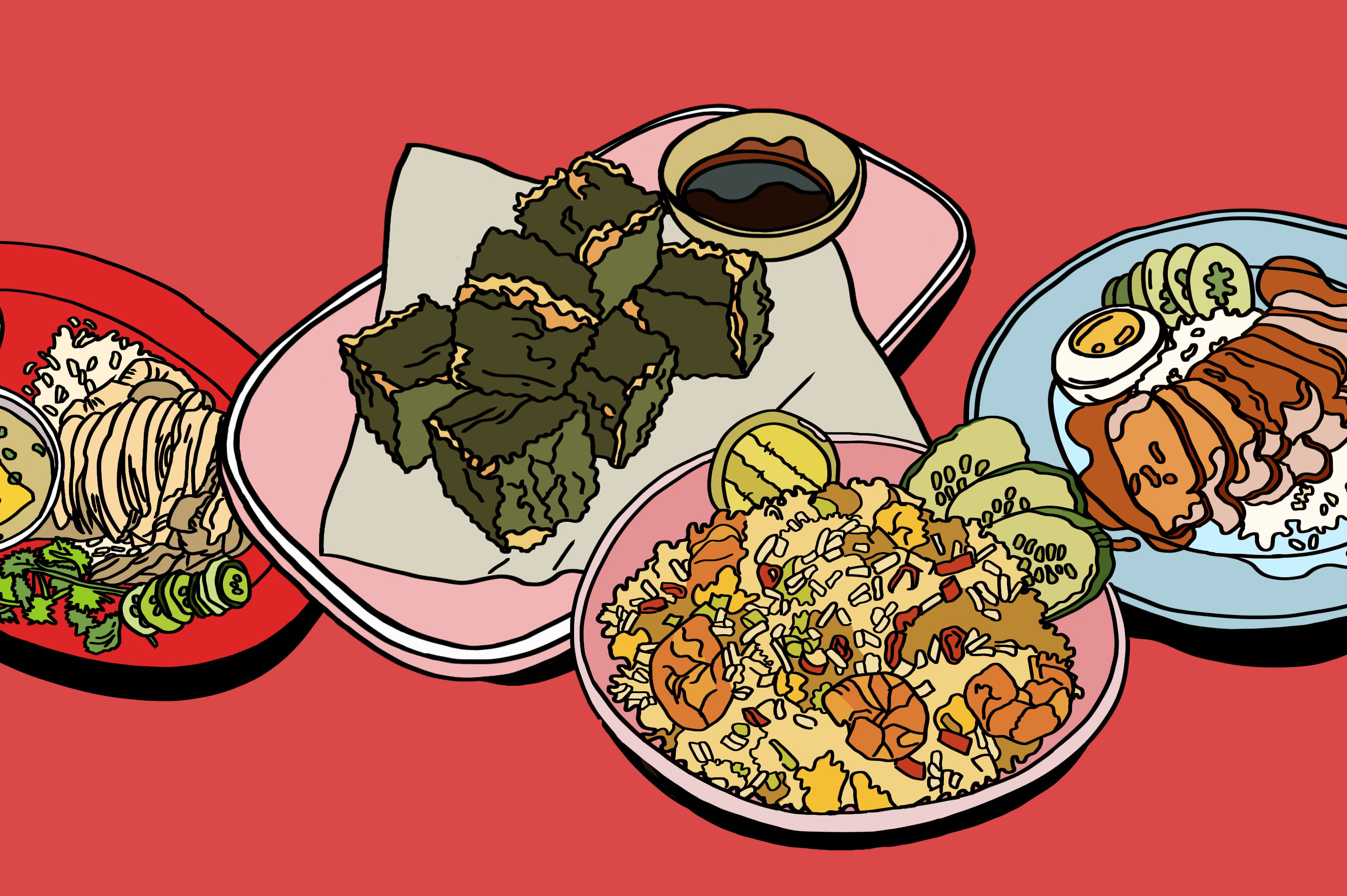
Of course, Thai food wasn't “introduced” to the United States in 2002. Thai immigrants had opened restaurants long before, occasionally with US soldiers who had spent time in Southeast Asia among their early customers. Many specialized in dishes like pad thai, which was also developed by the Thai government (in response to a rice shortage in the 1930s, to encourage consumption of rice noodles, which used less of the grain than other rice forms). Others leaned on dishes like khao kaeng—literally rice and curry—sold by street vendors in central Thailand, or stir-fried noodle dishes served from woks set up in open-air markets.
So maybe it's to be expected that these on-the-move meals flourish in Oregon, where so many of our favorite restaurants started out as food carts or farmers market booths (or still are food carts or farmers market booths). Around Portland you see a lot more tubs of galangal-fragrant yellow curry and clamshells of wok-charred pad kee mow than red pagoda–stamped “Chinese takeout containers” (actually an American invention) of chow fun and mapo tofu. While it's now served from two brick-and-mortar restaurants instead a trailer, there is no more iconic Portland takeout than the rubber-banded paper bundle of poached chicken and rice from the now–nationally celebrated Nong's Khao Man Gai. Chookiat “Hamm” Saenguraiporn, who owns Khao Moo Dang on SE Hawthorne, went out of the way to create a dedicated takeout window for his restaurant's customizable soups and namesake pork-and-rice dish. Both are packed neatly in multiple containers so the noodles don't bloat and the roast pork doesn't get soggy. (No doubt you can expect a similar setup at his forthcoming noodle soup spot in the Pearl, Guay Tiew, which translates to “noodle soup.”)
Even the more Golden Leaf–coded Thai restaurants go out of their way to prioritize the success of their takeout programs. At Phuket Cafe, which shares a space with tasting-menu destination Langbaan, the menu is largely tricked-out takeout standards, like pad thai with chicharrones, prawn and mussel yellow curry, and tom zaap, a hot and sour soup with braised short ribs. The dining room might be dressed up enough for a set-menu affair, but the street-side patio signals an on-the-go feel: It's styled to look like a train car.