A Visitor’s Guide to Mount Rainier
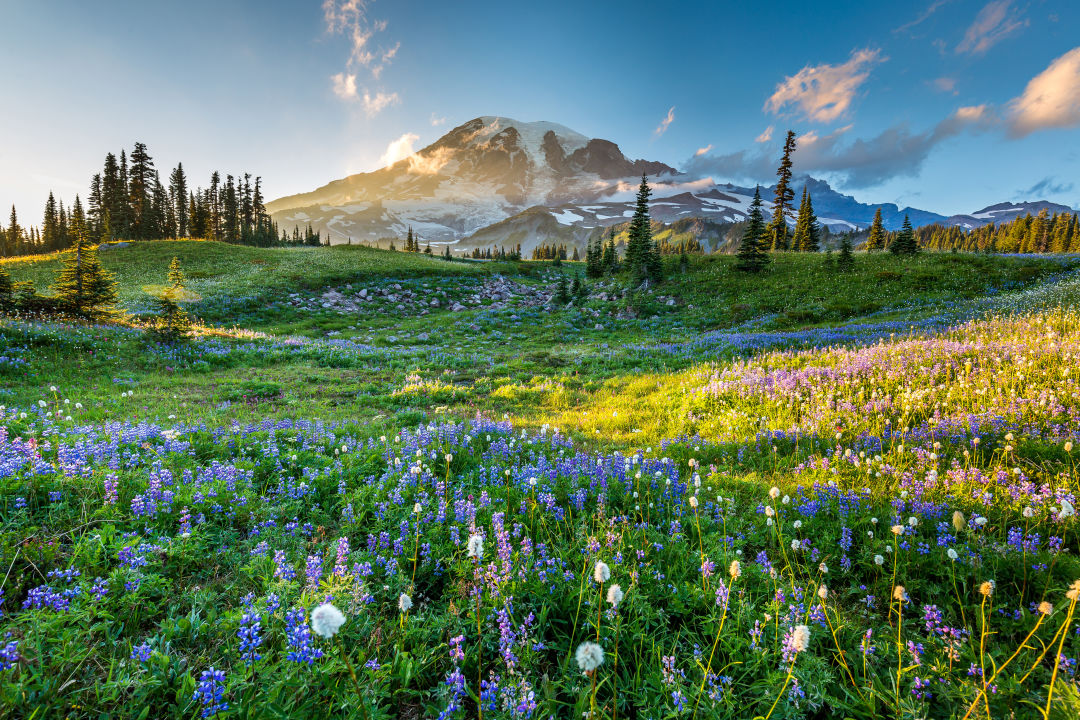
Per the US Geological Survey, Mount Rainier is “potentially the most dangerous volcano in the Cascade Range,” thanks to its proximity to Seattle, surplus of glaciers, and penchant for earthquakes. And yet this beautiful ticking time bomb, known as Tahoma to the Puyallup tribe, still draws millions each year, who drive the zigzagging Paradise Valley Road to admire wildflowers and waterfalls. Entering the national park on a summer Saturday can be a multihour affair, RVs and rental cars rolling along as people stop for photo ops. Venture off the main thoroughfare for quieter—but no less stunning—views.
Eat

Image: Matteo Berton
You can find food within the park, but you might not want to: Rainier’s five lodges and visitor centers operate overpriced restaurants and cafés serving basic sandwiches and $35 bison meatloaf. Instead, find sustenance on your way in or out. In Ashford, near the Nisqually entrance, sweet, family-run restaurants lean on mountain cuisines. Backpackers crowd onto Wildberry’s prayer flag–lined patio to hoover pork momos and beefy shakpa, here called Himalayan Sherpa Stew. The restaurant’s thali—essentially sampler platters of curries, pickles, rice, and daal—are a good starting point for those unfamiliar with Nepali food. At Paradise Village Restaurant, tucked within a highway-side resort, you can carbo-load on vareniki, described on the menu as “Ukrainian pierogies,” and galushki, similar to gnocchi. (Those craving a vegetable should order the kapusta, a light carrot and marinated cabbage salad with dill.) Sip on nalewka, a Polish fruit liqueur, while you wait for your dumplings finishing with a square of honey cake, courtesy of the owners’ on-site bee colony.
In Packwood, expect rural Americana (burgers, tater tots) at classic drive-in Cliff Droppers. Packwood Brewing Company’s American-style Mexican menu of quesadillas and soft pretzels complements its zippy IPAs and lighter German ales. For picnic materials, Butter Butte Bites sells carefully constructed charcuterie boxes and thick slabs of homemade fudge. However you enter the park in the summer, you’re sure to pass fruit stands selling the mountain’s eponymous, sunset-hued cherries; buy a bag or two for post-hike snacking.
Stay
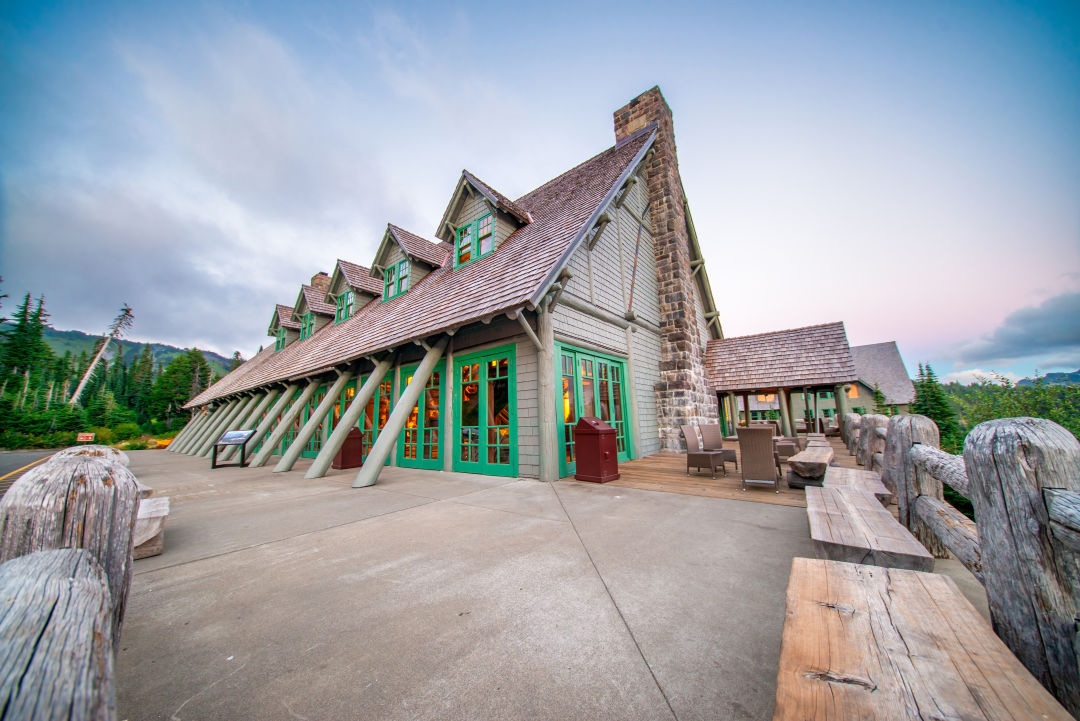
It’s worth it to sleep at the historic Paradise Inn once, for its rustic charm; still, it’s pricey ($300+ per night, generally open late May–September) for no kitchen and, in many cases, no private bathroom. Better to camp within park limits or find a bed just outside the border. Of the public, drive-in campgrounds, Cougar Rock is closest to the main attractions, though it’s a bit of a parking lot; Ohanapecosh Campground is closed as the area undergoes a major rehabilitation project. That leaves White River, which sits at 4,440 feet—it opens late in the season and closes early, but in that sliver of time, expect a glut of gorgeous views. Backpackers can grab a permit to camp at the cerulean Mystic Lake, accessible via the Wonderland Trail.

Image: Matteo Berton
You’ll pass many lodges and inns on SR 706, southwest of the mountain. Copper Creek Inn is awfully cute, with several Lincoln Log cabins—some clustered together, others secluded, some with private hot tubs, others without running water. The inn’s restaurant has served slices of blackberry pie to visitors for 80 years. For something a little more luxe, Camp Cabins’ pet-friendly A-frames sport hot tubs and Scandinavian design touches (some even have sauna access). Or, stay in a tricked-out Ashford treehouse like Iron & Vine, perched between four Douglas firs, or Treehouse Mt. Rainier, designed by the Nelson Treehouse team of Treehouse Masters fame.
Play
If there’s one place you might go chasing waterfalls, it’s Rainier. Many of its 28 named glaciers feed into rivers, not to mention several of its 470 streams. Some waterfalls are right off the main road, like the two-tiered Christine Falls or the misty Narada Falls; others are just a quick jaunt from a major hub, like the oft-photographed Myrtle Falls (under half a mile from Paradise Inn). For a quick and easy(ish) hike, drop your ride at the Grove of the Patriarchs parking lot and take the Eastside Trail to the whirling churn of Silver Falls. For something more substantial, park at Cougar Rock to hike the out-and-back route to Carter and Madcap Falls. Or pull over on the shoulder of SR 123 near Deer Creek Camp, hike 4 miles following Deer Creek and then Chinook Creek, and splash in the pool below the turquoise Stafford Falls.
More experienced hikers may enjoy fewer crowds and expansive views trekking to one of Rainier’s fire lookouts. Starting at Sunrise, take the Sourdough Ridge Trail to the Mt. Fremont Fire Lookout, a 5.6-mile round-trip hike that offers views of Skyscraper Mountain and Redstone Peak. For seclusion, late-season blooms, and some of the park’s finest vistas, climb 8.5 miles and 3,434 feet to Shriner Peak Lookout.

Image: Kevin Cass/Shutterstock.com
Meta Mountain
Looking at photographs, Rainier may seem like a single, solitary triangle surrounded by old-growth conifers. Look closer, and you’ll see a collection of several individual peaks. Point Success, Columbia Crest, and Liberty Cap are the three primary “summits” that surround Mount Rainier’s caldera; zoom out, and there’s even more, like the Sound of Music–esque Tatoosh Range to the south. A handful of devoted mountaineers have climbed all of the national park’s famed 100 Peaks, from Anvil Rock to Yakima.