Why Portland Chefs Are Going All In on Omakase

Image: Michael Novak
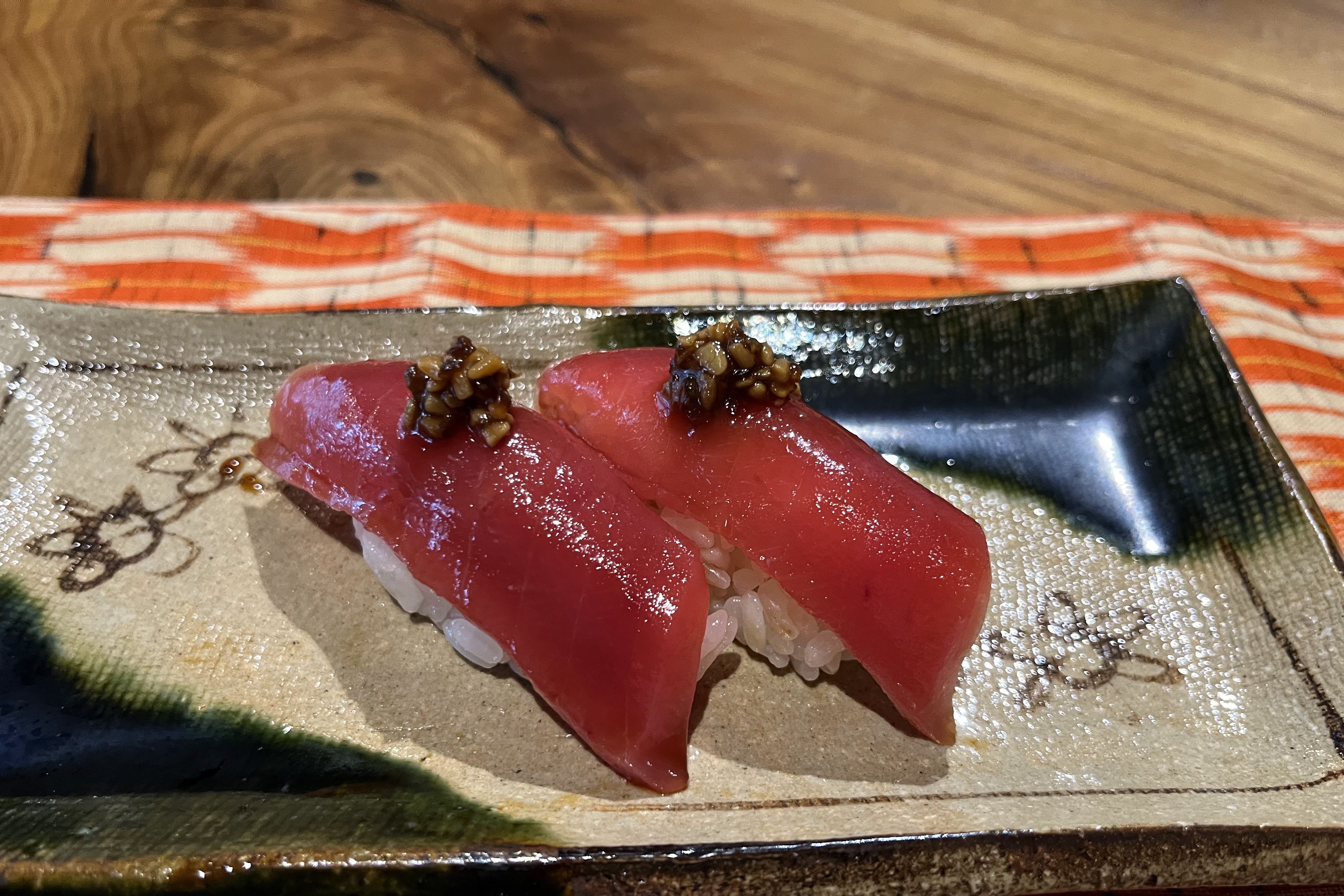
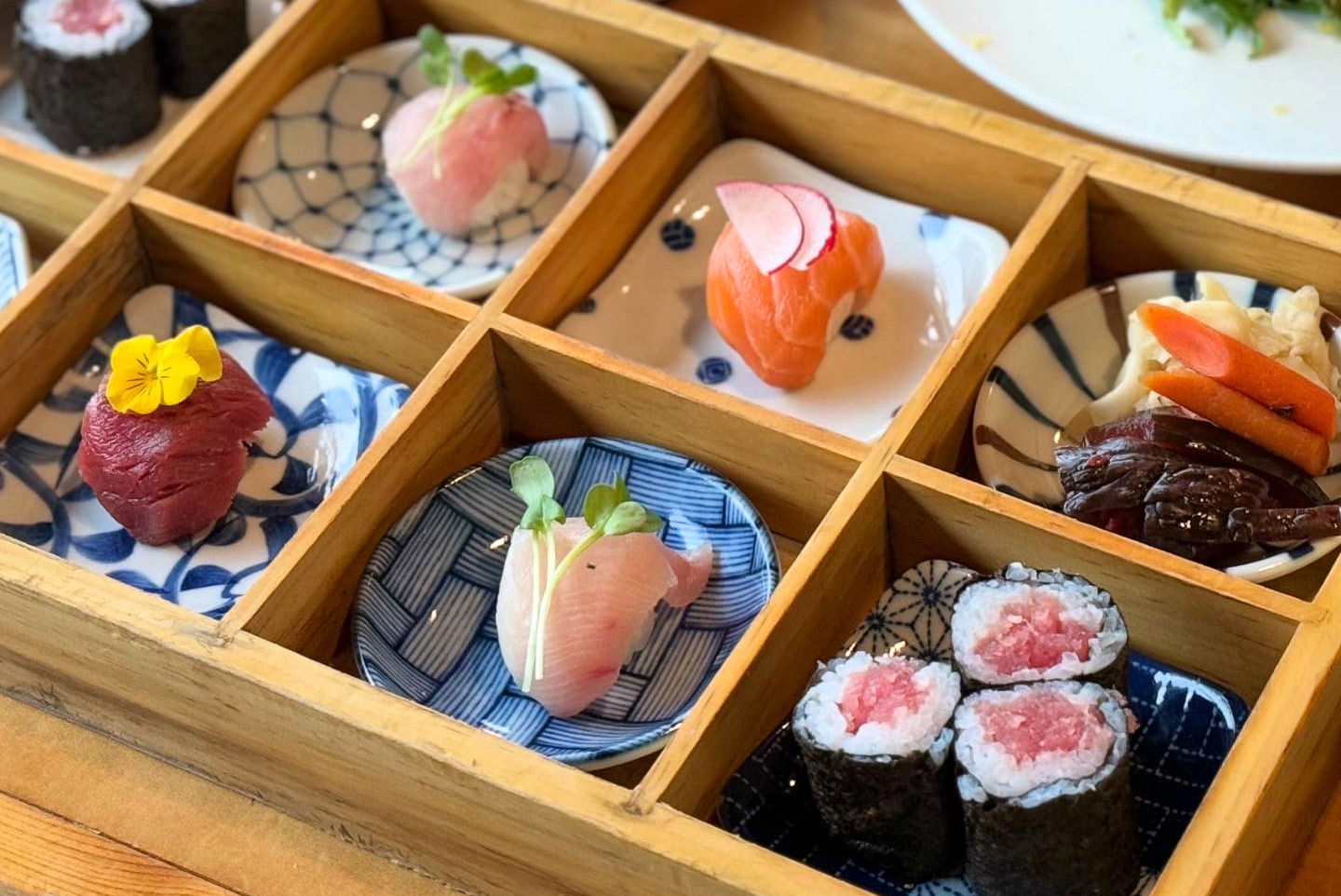
Under the subdued lights of the chic Meadowrue bar on the first floor of downtown Portland’s Ritz-Carlton hotel, locals and tourists are booking reservations for a trip that spans Oregon to Tokyo, all without leaving the confines of a four-star hotel: a 12-course tasting menu, with just four seatings a night. On a chilly November evening, it started with miso-marinated eggplant, so tender it yielded to the touch of a chopstick. Topped with Oregon apples cut into exacting brunoised cubes and lavender flowers, it balanced salty, sweet, and vegetal. Akami no tataki—lean tuna with a kick of Fresno pepper and tangy strawberry—soon followed. Later, a piece of salmon nigiri crowned with crumbled hazelnut, crunchy and decadent, signaled the point where the Pacific Northwest met the Asian Pacific. Rather than the traditional sake pairing found at many Japanese restaurants, each stage was paired with menu-exclusive cocktails that put the happy hour crowd’s head on a swivel. One standout: a Dewar’s whisky sour with chamomile and yuzu folded in. Despite ducking convention, this was an omakase dinner done right.

Think of omakase as the culinary equivalent of a trust fall. Its meaning in Japanese translates to “I leave it up to you,” and Portland chefs are increasingly asking that diners do just that. Walk into almost any new high-end Japanese spot in town—or even a few established ones—and it’s no longer just about the nigiri counter. Pedro Almeida, the executive chef for the Ritz’s Portland restaurants, says that the omakase model is a chef’s dream. “You can pour so much of yourself into an omakase menu,” he says. “You can increase the detail, complexity, and all that without having to focus on a huge range of dishes.”
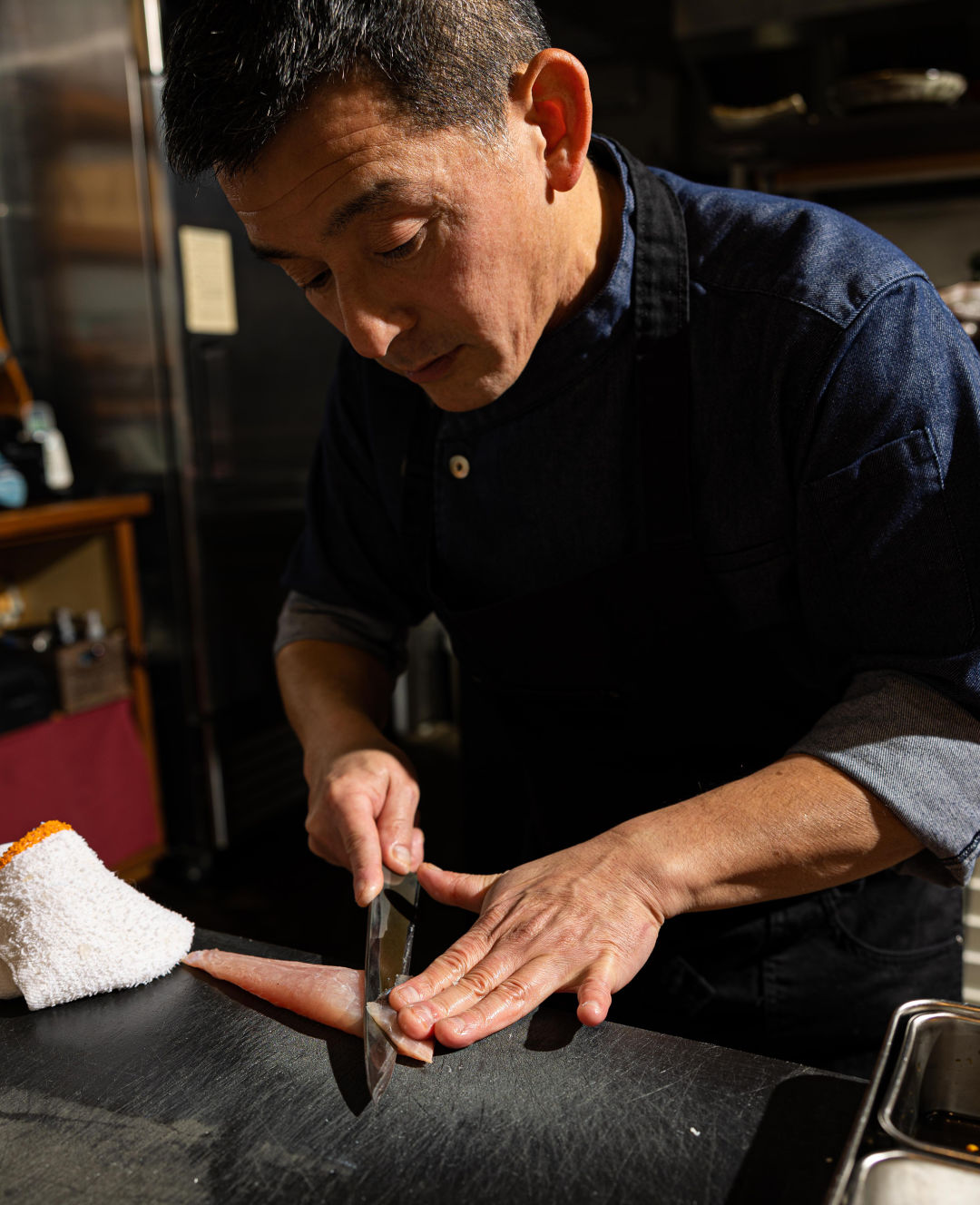
Image: Michael Novak
Though Japanese diners have been eating this way for centuries, the multicourse experience has enjoyed a local surge of popularity lately. Last summer, Kaede, the austere sushi-kappo in Sellwood, eliminated its à la carte selections and Northwest Portland’s Takibi introduced a new tasting format in addition to its regular menu. Nimblefish and Nodoguro, two places always at the top of the list in Portland’s sushi conversation, have long championed the omakase model. And omakase’s growing prominence comes even as Western prix fixe favorites like Castagna, Holdfast, Beast, and Quaintrelle have all closed their doors and República, the ambitious Mexico-forward dining room in Pearl District known for its tasting menu, has added an à la carte option.

Image: Michael Novak
For Izumi Uehara, who owns Kaede with her husband, Shinji, the decision to switch to omakase was one of practicality and seasonality—things revered in both Portland and Japan. During service, Izumi works the hot station. She fills bowls of miso soup laden with clams and plates deep-fried oysters studded with pops of ikura (salmon roe) and pepped up with wasabi and shallot aioli. At the bar, diners get a front-row seat as Shinji methodically packs each rice ball for nigiri and hand-slices achingly fresh fish. There might be tuna or salmon, but the fish flown in from Tokyo’s legendary Toyosu fish market will always include lesser-known seasonal catches, such as kamasu (Japanese barracuda) or kinmedai, a golden-eye snapper. Tables seat only two, and jazz ripples through the air: This is where Haruki Murakami would eat if he were in town.
Izumi explains that omakase allows chefs to serve dishes that Western diners might otherwise skip over on a menu, like her ethereal take on chawanmushi, a steamed egg and dashi custard with tender scallops, maitake mushrooms, and sweet shrimp.
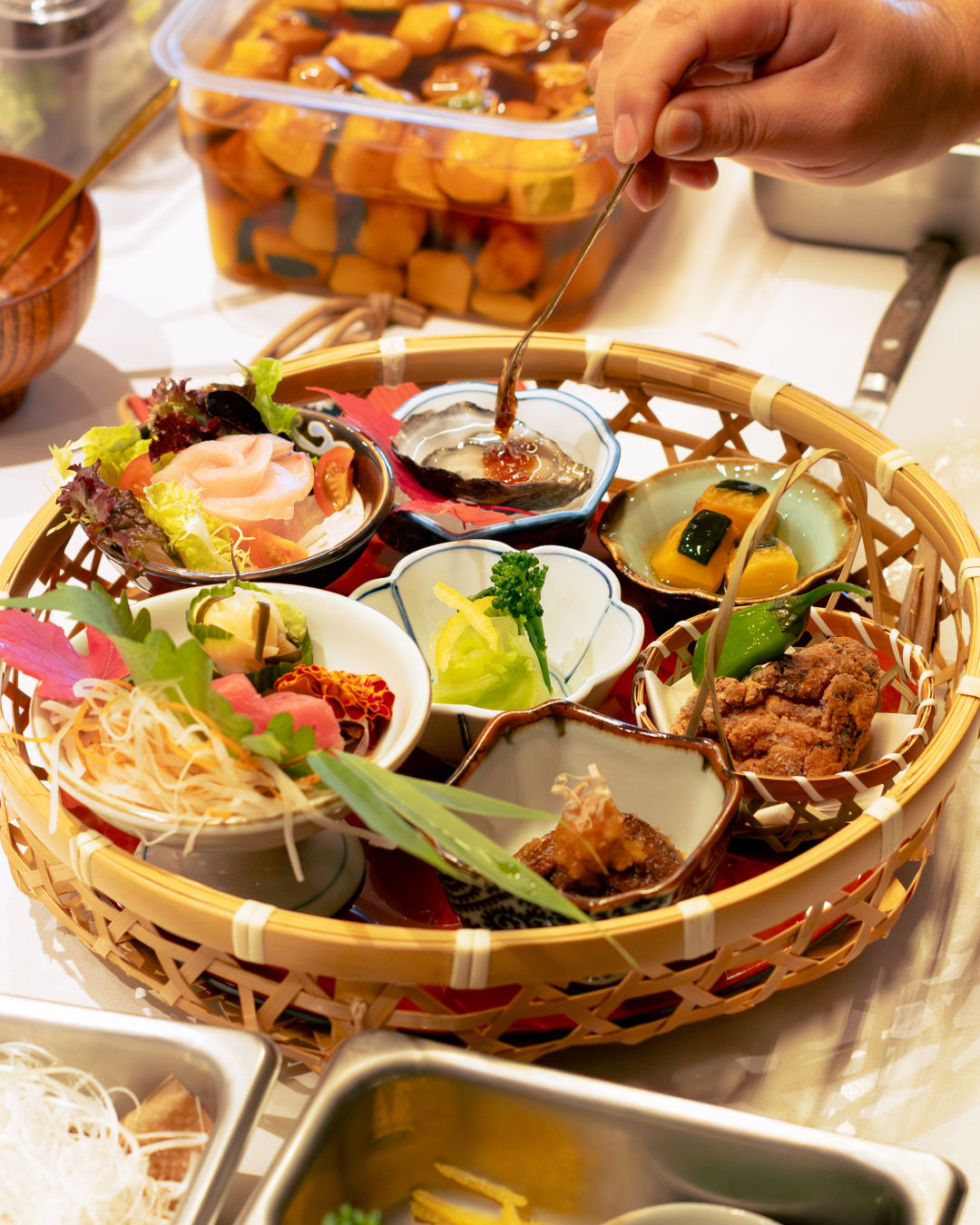
At Takibi, attached to high-end Japanese outdoor store Snow Peak, chef Zach Nielsen echoes those sentiments. “If you just get fried chicken and a sushi roll, you’re not getting the full, thoughtful Japanese dining experience that omakase otherwise provides,” he says. His menu draws inspiration from hot spring hotels in northern Japan, where Snow Peak is based. Such hotels are revered in part for their hyperseasonal washoku dining, exemplified by ever-changing dishes and small bites with varied textures and ingredients. To wit: The kobachi, or first course of Takibi’s omakase, is more like seven, with small bites of sashimi, karaage chicken, and dashi-steamed kabocha squash meticulously arranged on a wicker tray. Other regional elements include the wheat noodles with salty, rich dipping sauce, famous in the chilly Niigata Prefecture. The wheat for the noodles is aged in snow, like how a steakhouse might age beef. Diners seem to trust in the process—Nielsen reports that roughly 30 percent have been choosing the omakase option. And while fish and pork are staples of Japanese cooking, this is Portland—Takibi launched a vegan option in the fall so that more people have a chance to try the omakase, Nielsen says.
“If I’m going to a restaurant and I’m going to have 10 dishes, why not be in the hands of the chef and have him give me what’s the good thing,” says Almeida. “I love an à la carte menu, I love having the options. But would I rather have tasting menus? Hell yeah. I think the chef knows the plates much better than I do.”