Millions of People Visit Oregon Volcanoes Every Year. Why?
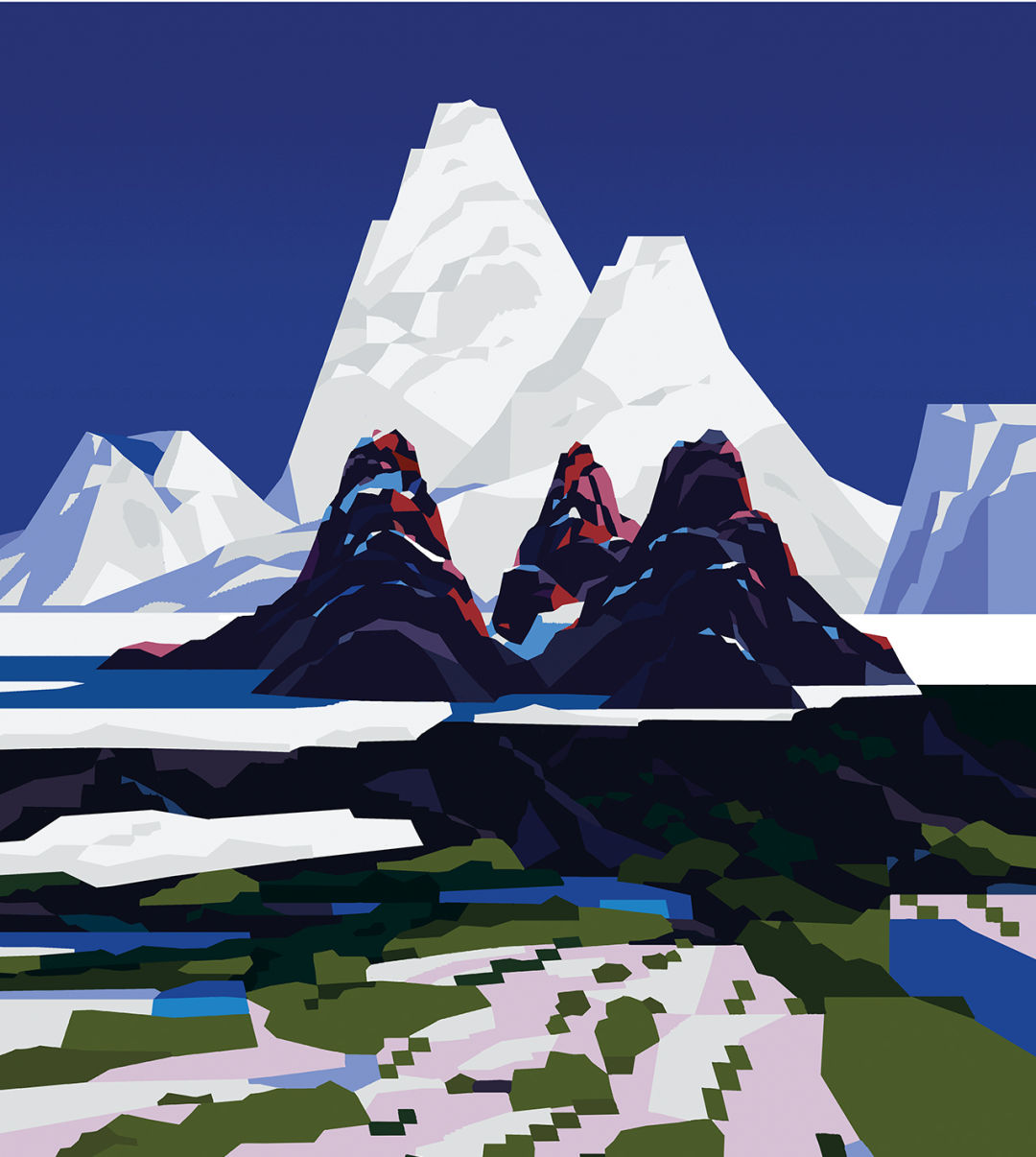
Image: Matteo Berton
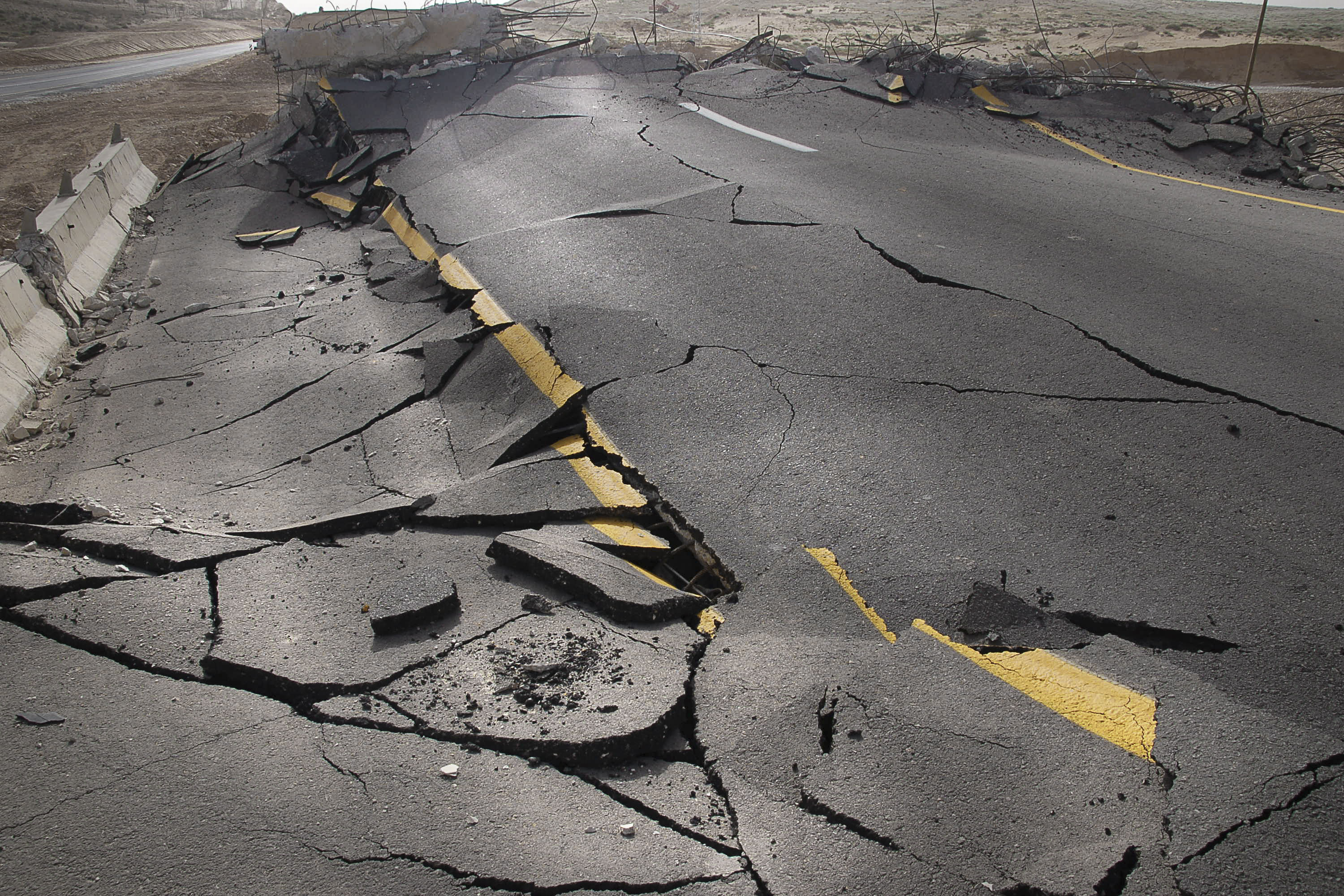
A few million years ago, just off the Pacific Northwest coast, the Juan de Fuca tectonic plate began to slip under North America, and all hell broke loose. We’re talking earthquakes. We’re talking tsunamis. We’re talking bubbling molten rock—lava—spewing from the tops of angry stratovolcanoes. This is the fury of the Cascadia Subduction Zone, which helped create some of the most dramatic mountains in our region: the Cascade Range.
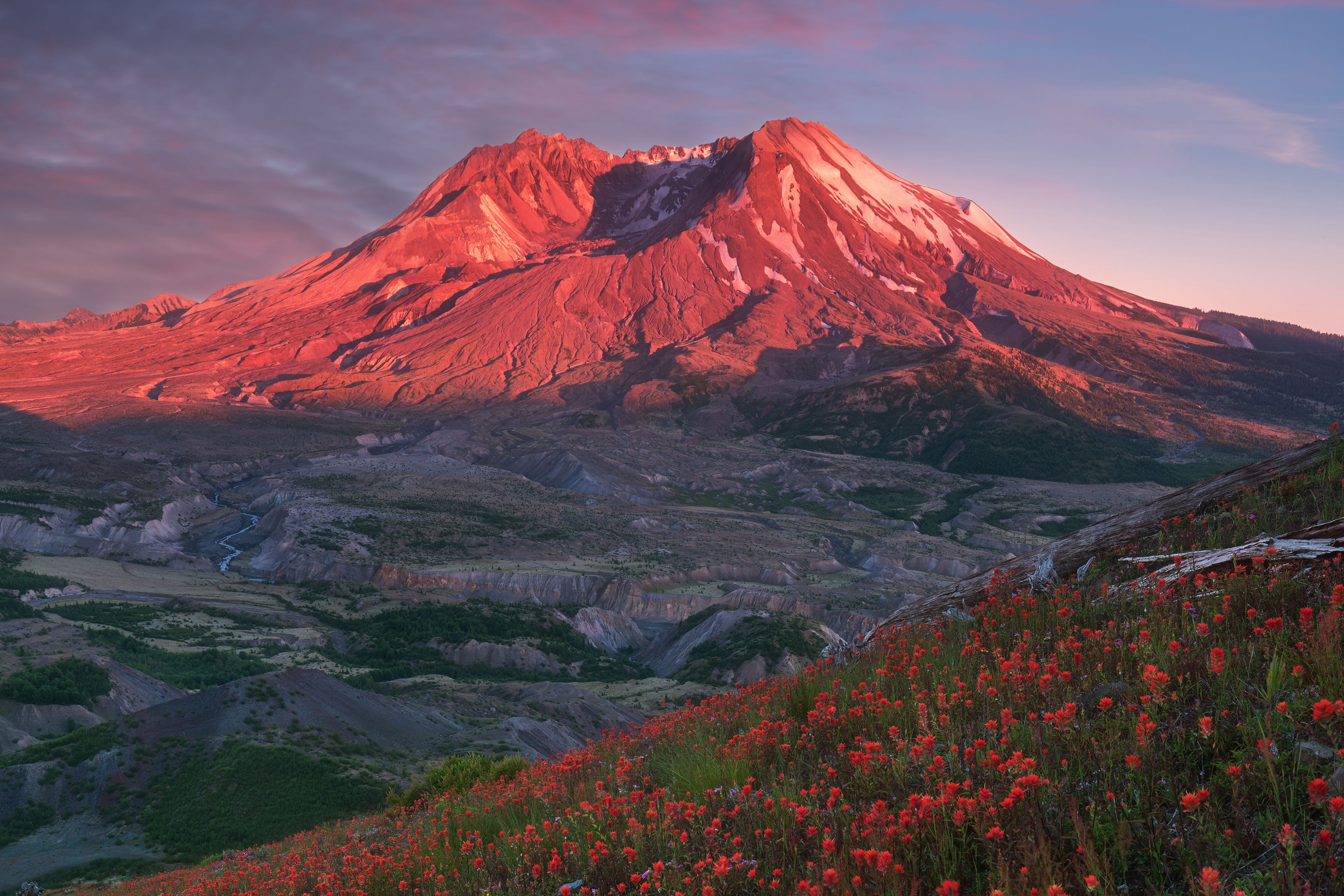
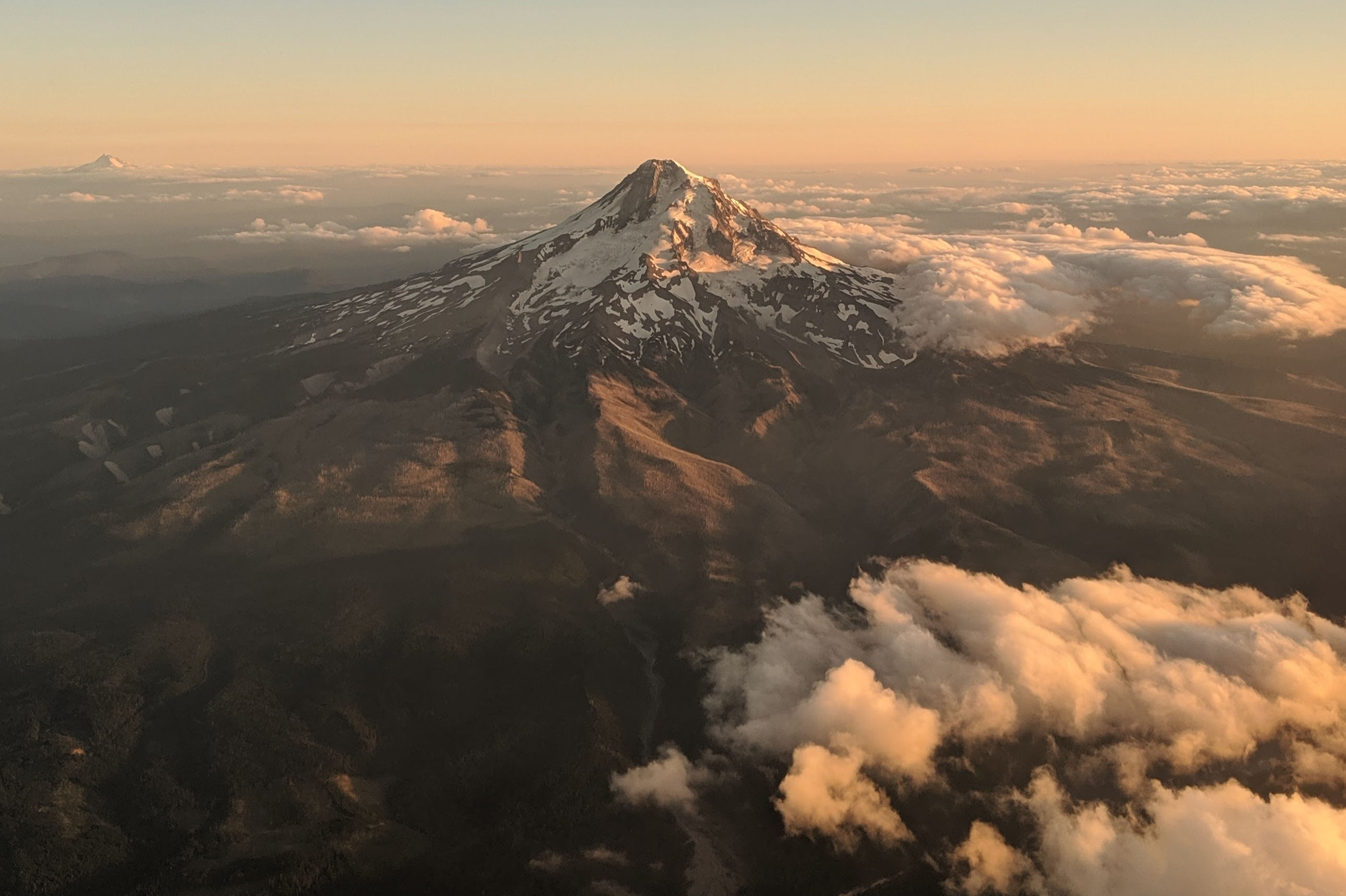
Things have since calmed. Snow caps gushing volcanoes like Mounts Hood and Rainier, and waterfalls rush down their sides, pooling into crystalline lakes. Wildflowers cover the haunches of St. Helens, crawling north to stay in bloom during summer’s hottest days.
Still, magma gurgles below, threatening. We flock to these volcanoes anyway. Dusty old Vanagons and shiny tricked-out Sprinters rumble along their highways in pursuit of unclaimed weekend campsites. Cyclists hoovering peanut-butter pretzels, their bike frames strapped with backpackers’ tents and sleeping bags, pedal down unkempt roads and lug their bikes across trickling streams. Foragers wander their forests and fill repurposed yogurt containers with plump huckleberries, inky juice staining their fingers. Mountaineers scramble up their slopes and take selfies at their summits, before collapsing in relief and awe, absorbing the never-ending vistas that surround them.
All of these things pull us into the mountains. But underlying most adventures, I find, is some hope for guidance. We’re in search of the guru at the summit, Buddha at Vulture Peak. The desert didn’t call John Muir; the Indigo Girls didn’t go to the beach for answers. Mountains challenge you. They may scare you off for a while, as Rainier did Mazamas board president Robin Wilcox. They may envelop you in a deafening quiet, or the eerie chorus of a wilderness at night. Inevitably, all of it steers you back to yourself, to your own resilience. And what do we need now more than that?